
Why Battery Swelling Happens in Wearable Devices?
I often meet teams after swelling complaints appear. The product looks finished, the launch is…
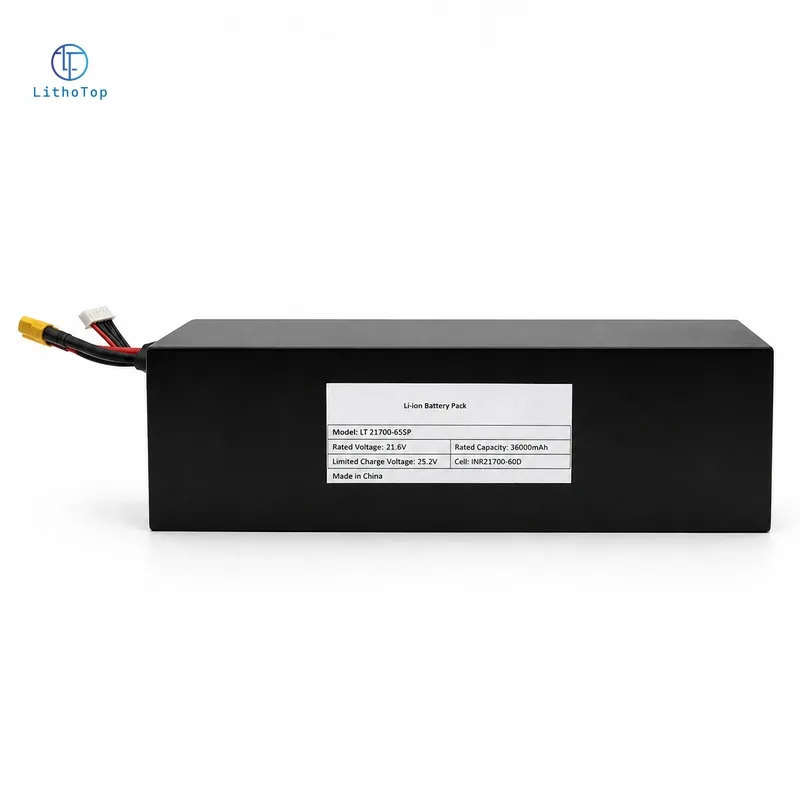
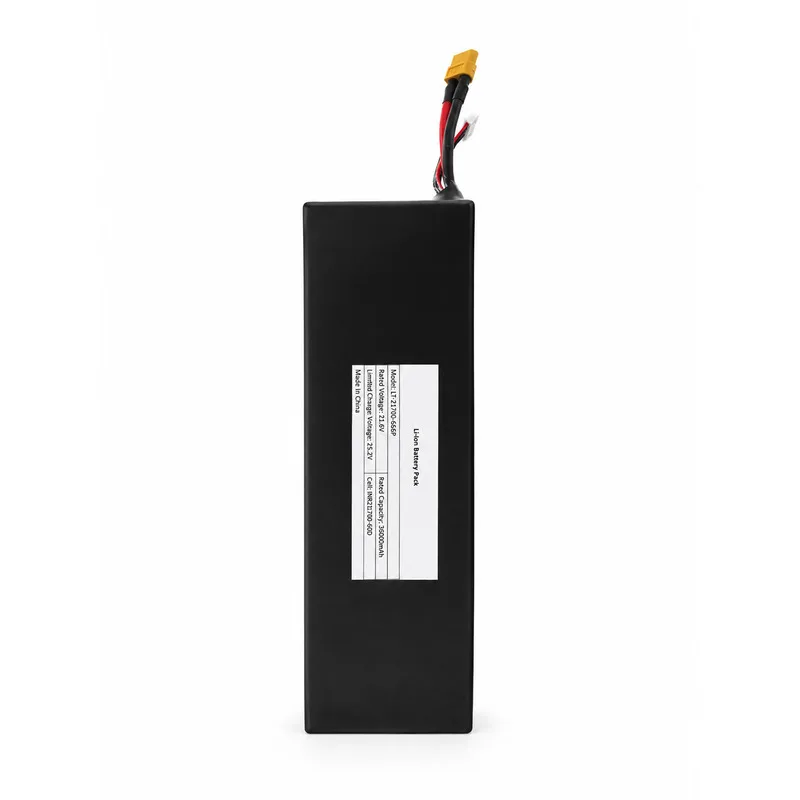
The 21700 6S6P 21.6V 36000mAh 2C Robot Battery Pack is a high-capacity rechargeable lithium-ion battery pack designed for robotic systems that require long runtime, stable voltage output, and strong discharge performance. Built with 21700 cylindrical cells in a 6S6P configuration, this battery pack provides 2C discharge capability for mobile robots, inspection robots, service robots, warehouse robots, research robots, and industrial automation platforms.
LithoTop can customize the pack structure, connector, wire length, cable direction, insulation method, casing, label, and packaging according to robot project requirements.
| Product Type | Lithium Ion Battery Pack |
|---|---|
| Model number | 21700-6S6P |
| Voltage (Nominal) | 21.6V |
| Charge Voltage | 25.2V |
| Capacity (Nominal) | 36000mAh |
| Dimensions | Max. 70*85*275mm |
| Constant Discharge Current | 2C |
| Working Temperature | -20°C~60°C |
| Certification | ISO9001/ISO14001 |
LithoTop designs and manufactures premium lithium-ion battery solutions using Grade A cells and self-developed BMS technology. From prototype to mass production, we provide customized OEM & ODM battery packs with superior safety, long cycle life, and reliable performance for robotics, medical devices, wearable electronics, IoT, energy storage, and industrial applications.
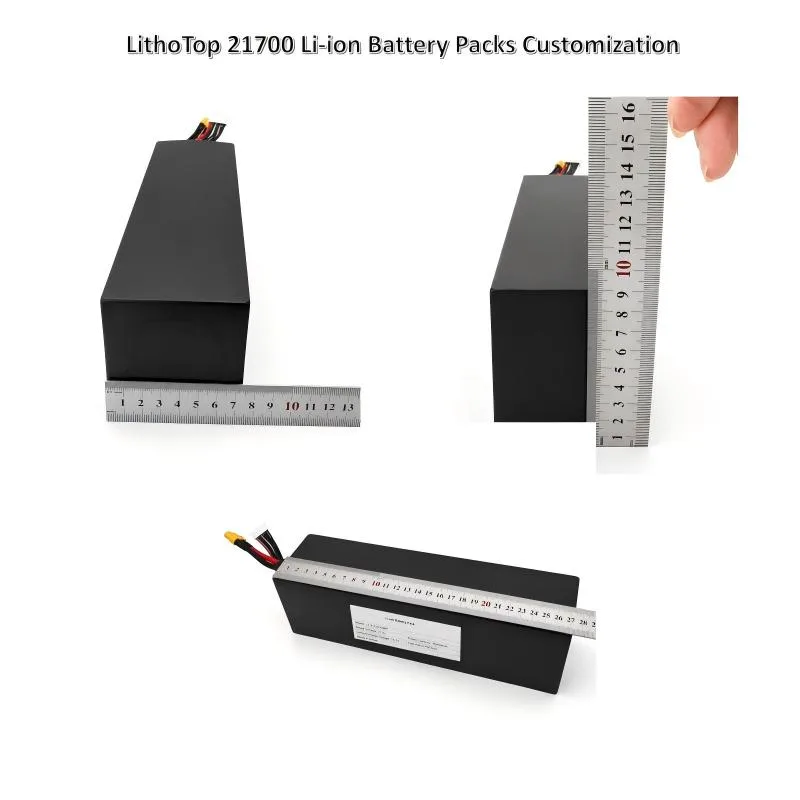
The 21700 6S6P 21.6V 36000mAh 2C robot battery pack is designed for robotic applications that need higher capacity and stronger current support than small 18650 packs or low-parallel battery structures. The 6S series configuration provides a 21.6V nominal voltage platform, while the 6P parallel design increases total capacity and helps support stable discharge during robot movement, sensor operation, communication, and control system activity.
With 36000mAh capacity, this battery pack supports extended operation for robots used in inspection, logistics, research, security, service, and industrial automation. The 2C discharge capability helps the robot handle motor start-up, acceleration, wheel drive load, robotic arm movement, and other short current peaks during operation.
LithoTop applies strict production control during cell selection, voltage matching, capacity matching, internal resistance testing, spot welding, nickel strip assembly, insulation protection, aging verification, charge-discharge testing, and final quality inspection. These processes help ensure stable pack performance, reliable assembly quality, and consistent mass production output.
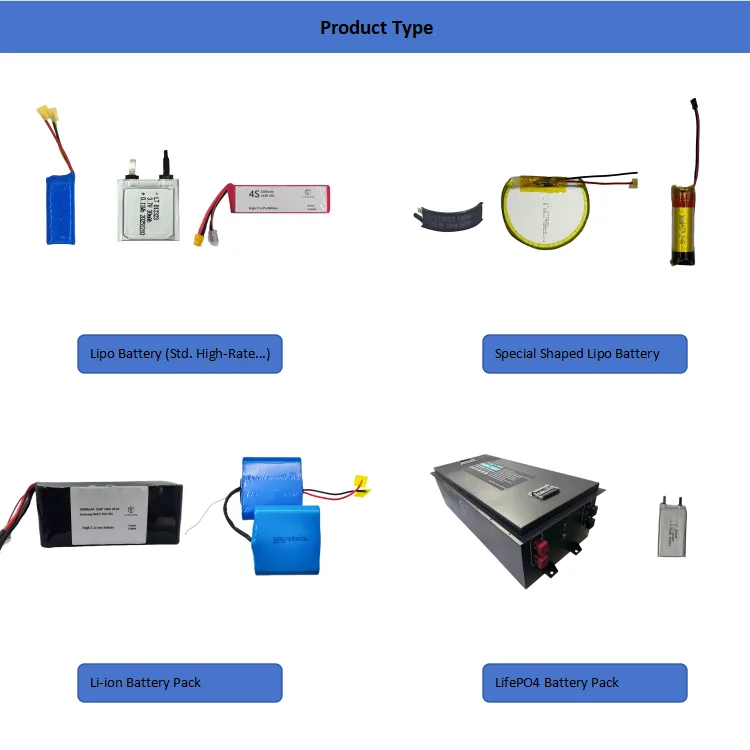

LithoTop offers a complete range of cylindrical lithium-ion cells to meet different power, capacity, and performance requirements. Our engineering team helps customers select the most suitable cell based on energy density, discharge current, cycle life, and application environment.
| Cell Type | Typical Capacity | Key Advantages | Typical Applications |
|---|---|---|---|
| 14500 | 600–1200mAh | Compact size, lightweight | Portable electronics, medical devices, flashlights |
| 18650 | 1800–3500mAh | Cost-effective, mature technology | Robotics, IoT devices, industrial equipment |
| 21700 | 4000–6000mAh | Higher capacity and energy density | AGVs, energy storage, power tools, e-mobility |
| 26650 | 3000–6000mAh | High discharge capability | Industrial equipment, backup power systems |
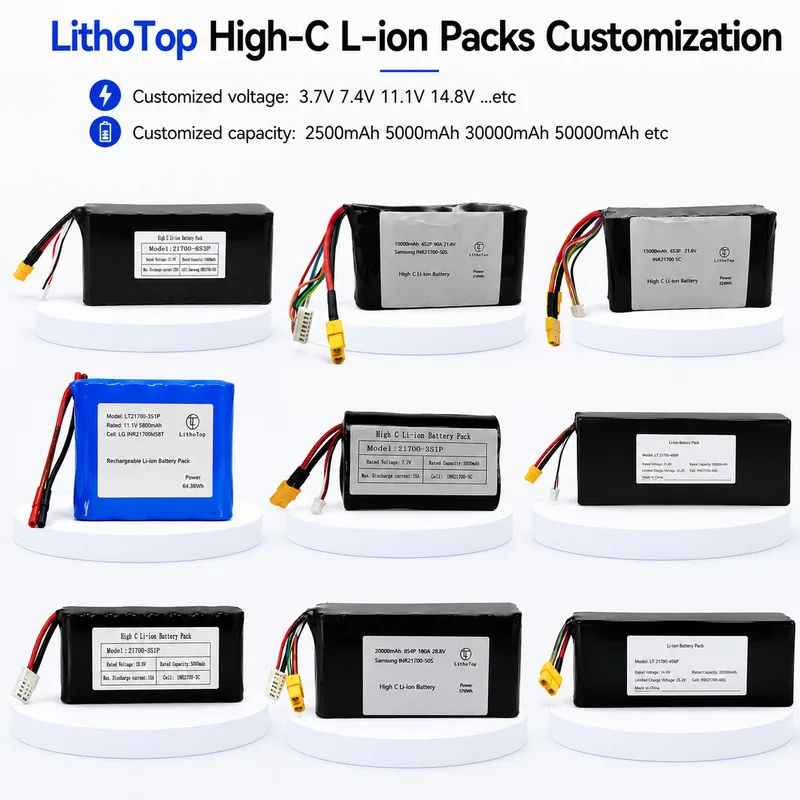
LithoTop provides customized high-rate lithium-ion battery pack assembly for robotics, power equipment, industrial devices, and other applications requiring high current output. For battery packs designed without an integrated protection board, our engineering focus is placed on cell consistency, current-carrying capability, low-resistance connections, thermal performance, and reliable mechanical assembly.
With years of experience in custom lithium-ion battery manufacturing, LithoTop helps customers shorten development cycles, reduce engineering costs, and deliver reliable battery solutions for industrial, medical, consumer electronics, robotics, IoT, security systems, power tools, and many other demanding applications.
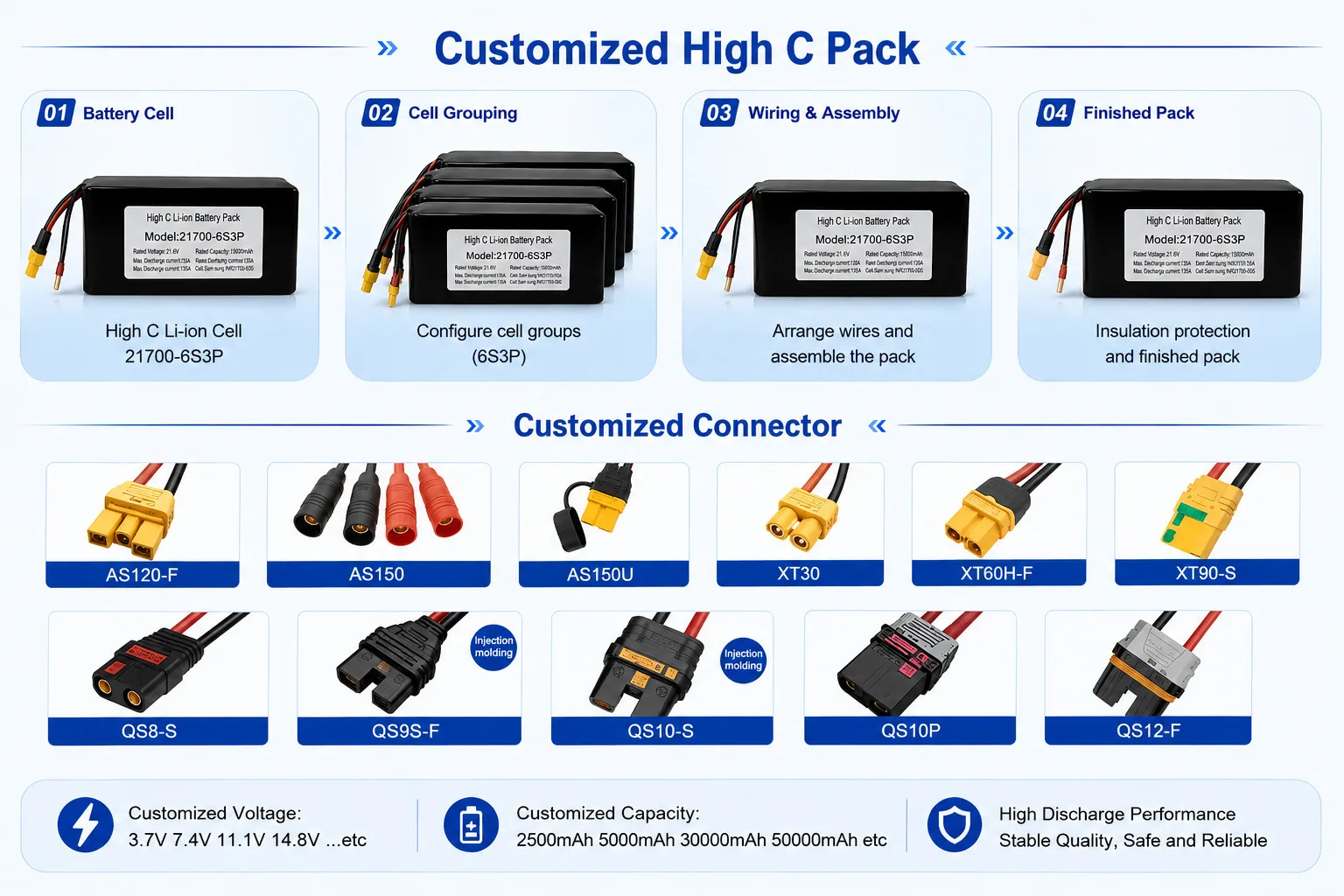
High-rate battery development is not simply about selecting a cell with a higher discharge rating. The complete battery pack must be engineered so that cells, conductive connections, welding points, cables, connectors, insulation, and mechanical structure can work together reliably under the required electrical load.
LithoTop develops custom high-rate lithium-ion battery packs without integrated PCM/BMS for applications where battery protection and power management are handled by the customer's equipment, external controller, ESC, or charging system. This architecture can provide a more direct current path while allowing the customer's system to manage battery protection according to its own design requirements.
During project evaluation, our engineers review the required nominal voltage, capacity, continuous discharge current, peak current, peak duration, available installation space, cable specification, connector type, charging method, and operating temperature. Based on these parameters, we recommend the appropriate cell and pack configuration rather than selecting a battery based only on capacity.
For high-current battery packs, special attention is given to cell matching and the resistance of the complete discharge path. Conductive strips, welding points, output wires, solder joints, and connectors are evaluated to help minimize unnecessary voltage drop and heat generation during demanding loads.
Before shipment, battery packs undergo relevant electrical and assembly inspections according to the confirmed specification, including voltage, internal resistance, polarity, connection integrity, insulation, dimensional, and discharge performance verification. This helps maintain consistency between approved samples and subsequent mass-production batches.
Discover how we helps global customers solve real-world battery challenges through customized lithium battery solutions.
A Japanese robotics company was developing an autonomous floor cleaning robot for shopping malls, office buildings, and public facilities. The robot needed to power drive motors, cleaning modules, obstacle detection sensors, a navigation board, wireless communication, and onboard control electronics. The customer’s early battery pack provided enough voltage, but the capacity was not enough for long cleaning routes in large commercial spaces.
The customer contacted LithoTop because they needed a 21.6V high-capacity robot battery pack with stable discharge performance and a custom pack shape that could fit inside the robot chassis. Their robot already had a main power management board and system-level protection logic, so the battery pack needed to be supplied without an internal protection board.
LithoTop reviewed the robot’s average working current, motor start-up peak, cleaning module load, sensor power consumption, charging dock design, battery compartment size, cable outlet position, and expected cleaning schedule. After evaluation, LithoTop recommended the 21700 6S6P 21.6V 36000mAh 2C Robot Battery Pack. The 36Ah capacity provided longer working time, while the 2C discharge capability helped support movement and cleaning load peaks.
During sample development, LithoTop optimized the cell layout, nickel strip structure, wire length, connector type, insulation layer, casing design, and label position. Sample packs were tested through motor load simulation, cleaning route runtime testing, acceleration peak testing, charging dock compatibility checking, voltage stability evaluation, vibration handling checks, and installation fit validation.
Before pilot production, both teams confirmed samples, pack dimensions, discharge performance, connector durability, no-protection-board structure, cable direction, packaging method, and incoming inspection standards. The final battery solution helped the cleaning robot achieve longer operation per charge and more stable movement during commercial cleaning routes. For the customer, this improved cleaning efficiency, reduced recharge interruptions, and supported a stronger product demonstration for facility management users.
A US university robotics lab was developing a modular research robot platform used for navigation algorithms, computer vision testing, and multi-sensor control experiments. The platform needed to power wheel motors, LiDAR, cameras, embedded computing boards, wireless modules, and several experimental sensor interfaces. Because different research teams changed the robot configuration frequently, the battery pack needed stable power output and a simple electrical structure that could connect to the lab’s external power management system.
The customer approached LithoTop after testing several lower-capacity packs that caused short test sessions and frequent charging interruptions. They needed a high-capacity 21700 battery pack without a built-in protection board because their robot platform already used an external protection circuit, current monitoring module, fuse system, and low-voltage cut-off logic.
LithoTop analyzed the robot platform’s drive current, computing load, sensor expansion needs, peak current during acceleration, charging setup, internal battery tray design, connector requirement, and cable routing. Based on this evaluation, LithoTop recommended the 21700 6S6P 21.6V 36000mAh 2C robot battery pack as a long-runtime rechargeable power solution.
During prototype development, LithoTop adjusted the pack dimensions, cell arrangement, main discharge wire, connector position, insulation method, and outer shrink wrap to match the customer’s battery tray. Sample packs were tested through wheel drive simulation, LiDAR and camera load testing, computing board runtime testing, peak current verification, charge-discharge cycling, storage testing, and installation fit evaluation.
Before production approval, the customer confirmed approved sample performance, no-protection-board design, pack size, connector reliability, cable durability, packaging method, and batch inspection requirements. LithoTop then controlled production according to the confirmed golden sample and pack assembly standards.
The final battery pack helped the research robot run longer during experiments and reduced downtime between testing sessions. For the customer, this improved lab productivity, simplified integration with their own power management system, and provided a more dependable energy platform for robotics research and development.
A reliable robot battery pack requires more than connecting multiple cells together. Battery performance depends on cell quality, voltage consistency, capacity matching, internal resistance control, parallel group balance, nickel strip selection, spot welding quality, insulation protection, connector reliability, pack layout, heat management, and final aging inspection.
LithoTop supports robot customers from sample design to mass production with Grade-A cell sourcing, strict cell matching, reliable pack assembly, and flexible OEM/ODM engineering support. Our team can help evaluate robot working current, peak current, battery compartment space, charging method, connector type, cable direction, temperature monitoring requirement, casing design, and real application conditions before confirming the final battery pack solution.
For robot projects that already include an external protection board or power management system, LithoTop can manufacture battery packs without built-in protection boards according to the confirmed electrical design. This helps customers maintain control over system-level protection logic, charging management, communication, and robot power architecture.
LithoTop provides professional high-rate lithium-ion battery pack manufacturing for robotics, automation equipment, power devices, and other applications requiring reliable high-current output. For battery packs without an integrated PCM/BMS, our manufacturing process focuses on cell consistency, low-resistance electrical connections, current-carrying capability, welding quality, insulation, and mechanical reliability.
From incoming cell inspection and matching to welding, wiring, connector assembly, insulation, packaging, and final electrical testing, each production stage is controlled according to the approved battery specification. This helps maintain consistent performance from prototype samples through mass production.
Note: For battery packs designed without an integrated PCM/BMS, charging control, overcharge protection, over-discharge protection, over-current protection, and other required safety functions must be provided by the customer’s device, external controller, charger, or battery management system.
LithoTop has successfully delivered customized lithium-ion battery pack solutions to customers in more than 30 countries. From prototype development to mass production, our engineering team helps customers solve complex power challenges across industrial, medical, robotics, and energy storage applications.

Find answers to the most common questions about ordering, shipping, certifications, and working with lithotop as your battery partner.
After sample approval, all production parameters are standardized. Every production batch follows the same BOM, manufacturing process, and quality inspection procedures. Batteries undergo voltage, capacity, internal resistance, aging, and final performance testing before shipment to ensure consistency.
LithoTop provides custom lithium-ion battery packs using 15270, 14500, 18650, 21700, 26650 and other cylindrical cells. We support customized voltage, capacity, discharge current, connectors, communication protocols, housing, and BMS solutions based on your project requirements.
Yes. Our engineering team can evaluate your existing battery pack and recommend an equivalent or improved battery solution while maintaining the same dimensions, connector, communication protocol, and mechanical structure whenever possible. This helps reduce redesign costs, shorten qualification time, and ensure a smooth supplier transition.
Yes. LithoTop designs high-discharge lithium-ion battery packs with high continuous and peak discharge capability for AGVs, robots, drones, industrial automation, and power equipment. We can recommend the most suitable cell based on your power requirements.
Engineering samples are typically completed within 7–15 working days. Mass production usually requires 15–30 working days depending on battery complexity, material availability, and order quantity.
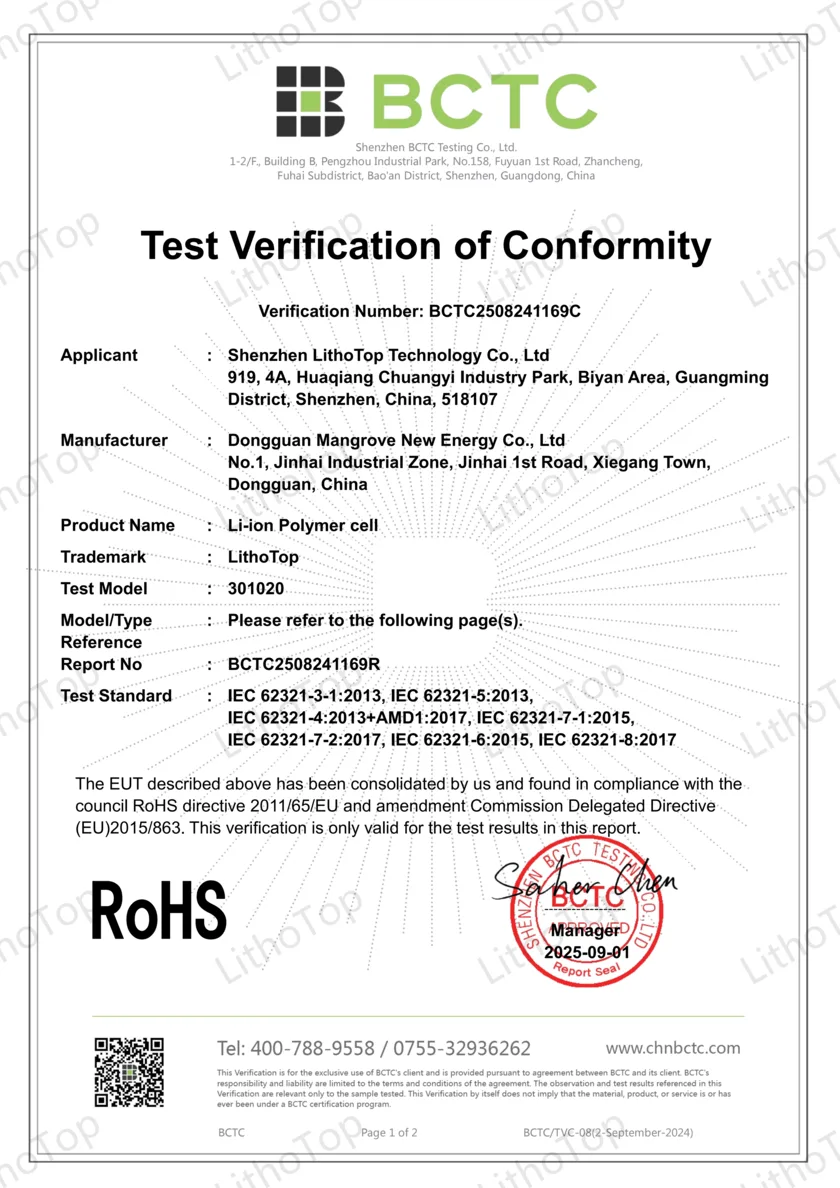
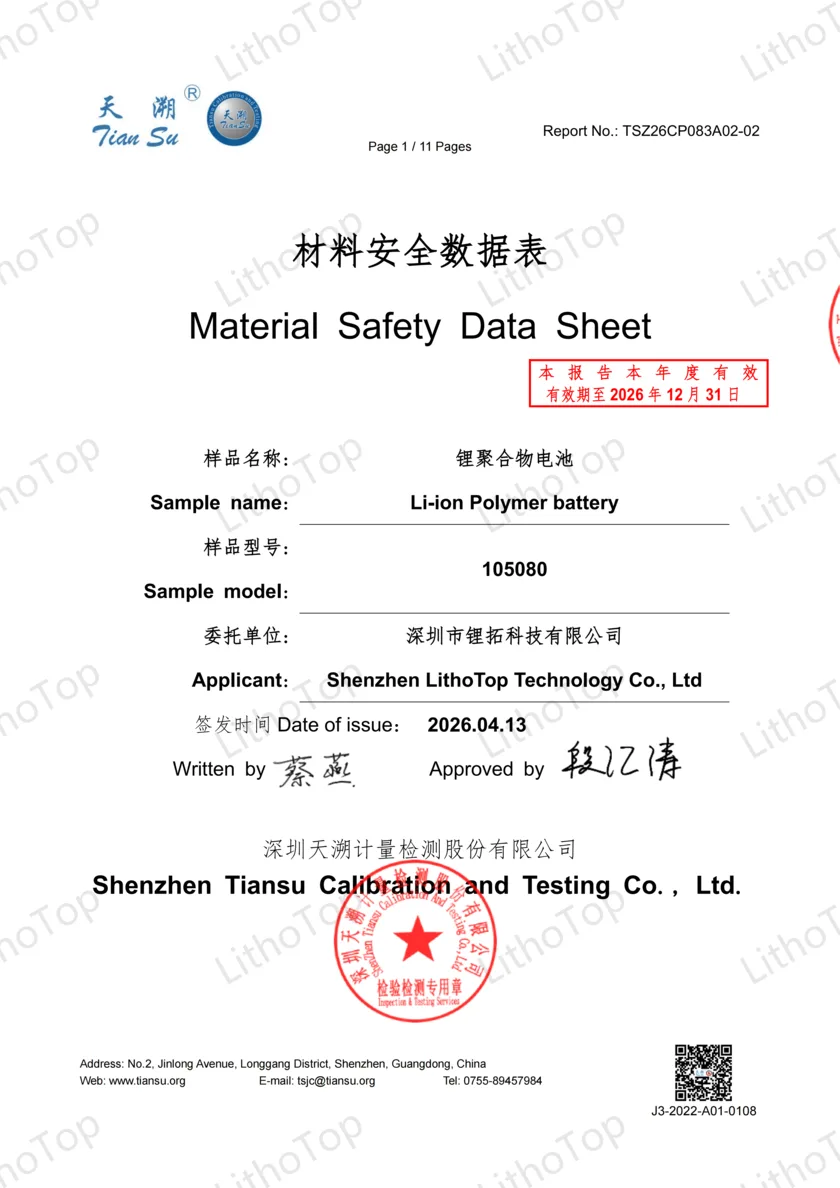
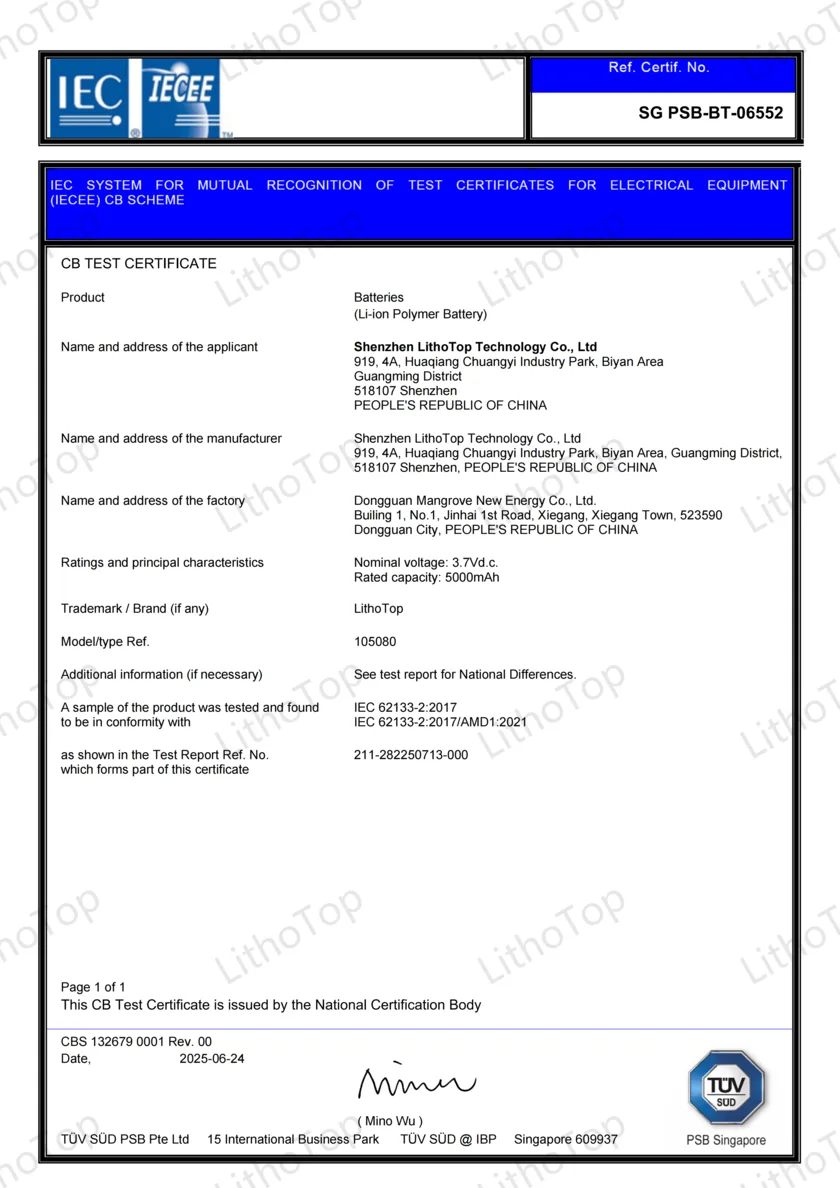
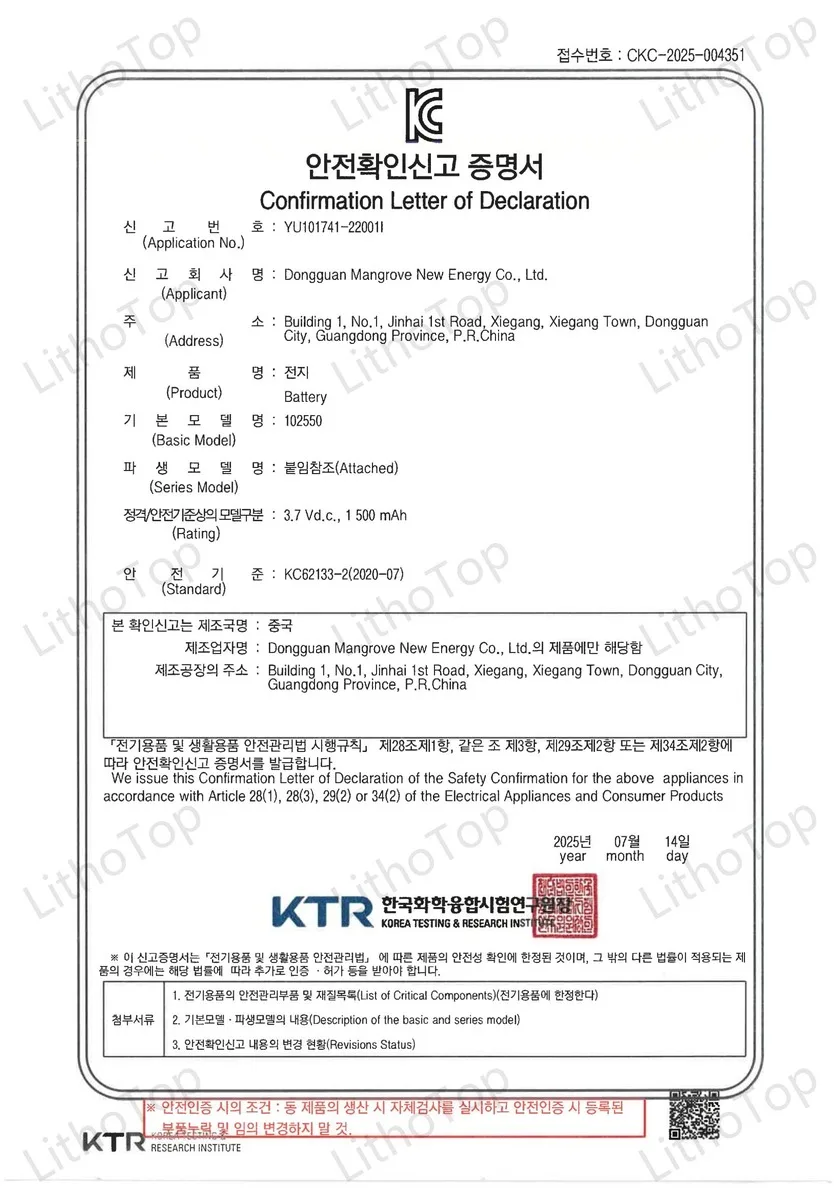
Our battery packs can support CE, RoHS, UN38.3, MSDS, IEC62133, CB, KC, and other international certifications depending on your market and application requirements.
MOQ depends on the battery configuration and customization level. We support prototype development, engineering samples, pilot production, and large-volume manufacturing to help customers throughout the product development process.
Please provide your required voltage, capacity, maximum discharge current, battery dimensions, connector type, communication requirements, operating environment, and expected application. Our engineers will recommend the most suitable battery solution.
Yes. LithoTop has an in-house BMS manufacturing facility capable of developing intelligent protection boards from 1S to 25S. We support CAN, SMBus, RS485, Bluetooth, UART, and other communication protocols.
LithoTop combines premium Grade A battery cells with our own BMS manufacturing capability, enabling us to provide complete battery solutions from a single supplier. This helps reduce communication costs, shorten development cycles, and ensure better compatibility between battery cells, protection systems, and customer applications.
Explore more customized lithium battery solutions from LithoTop
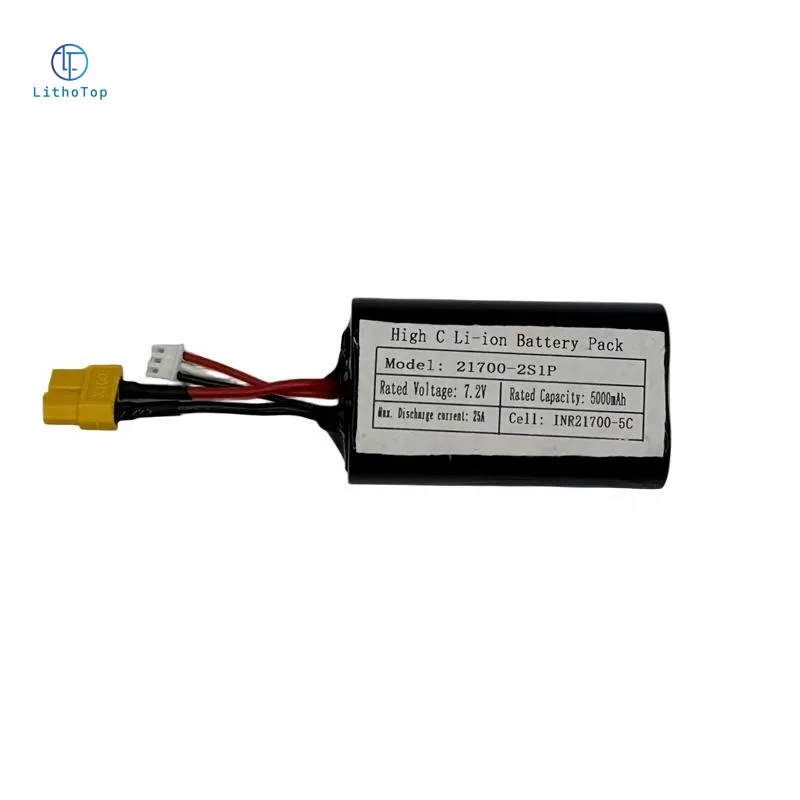
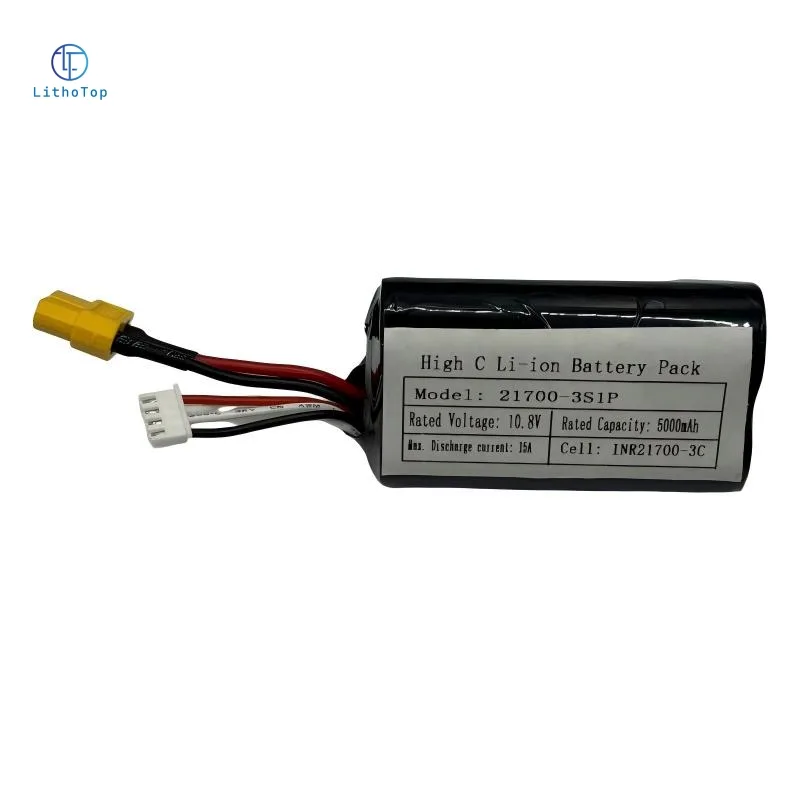
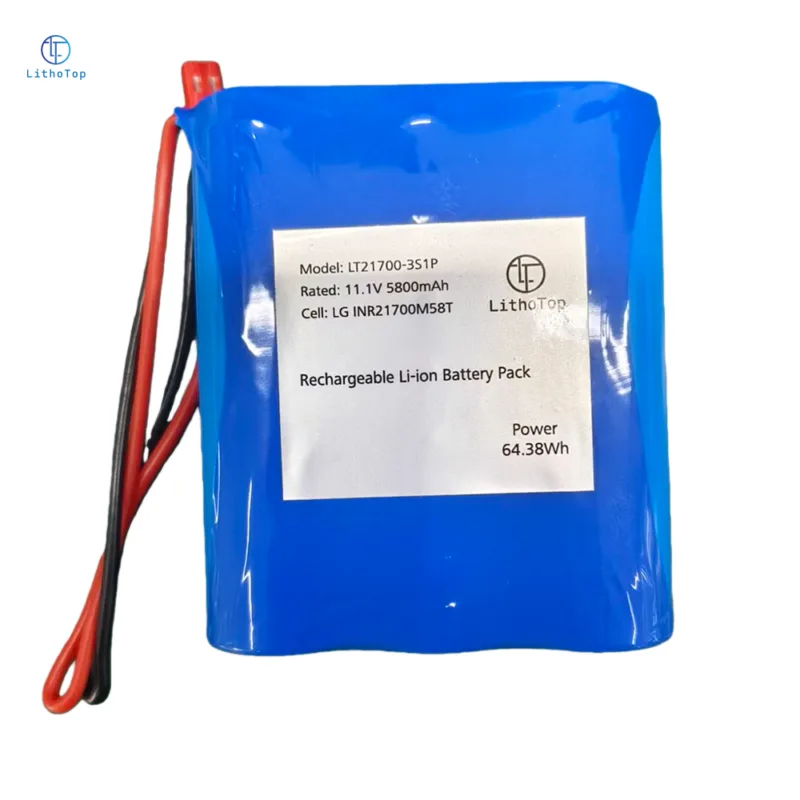
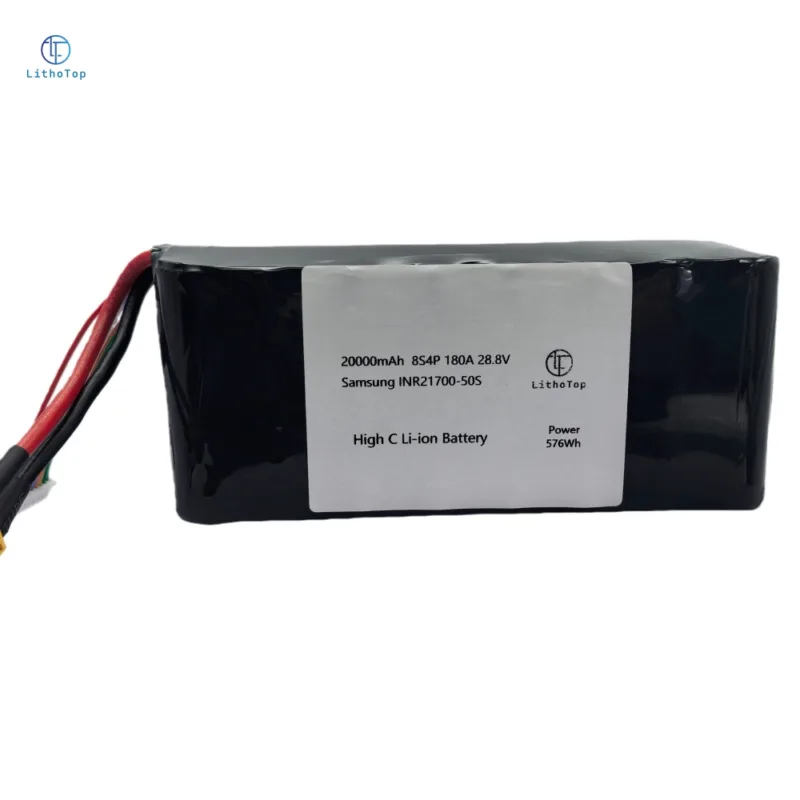
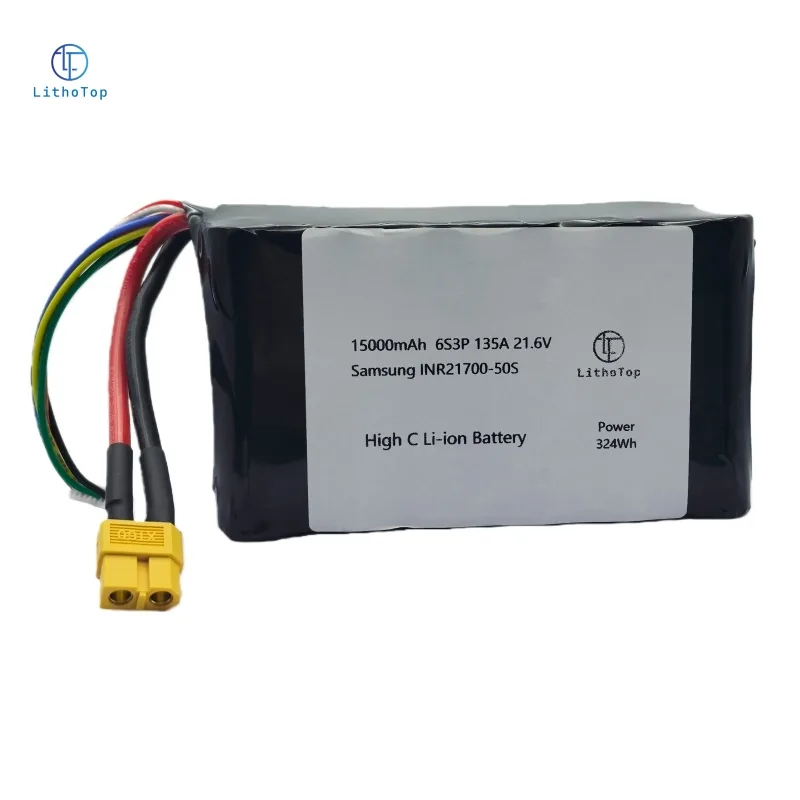
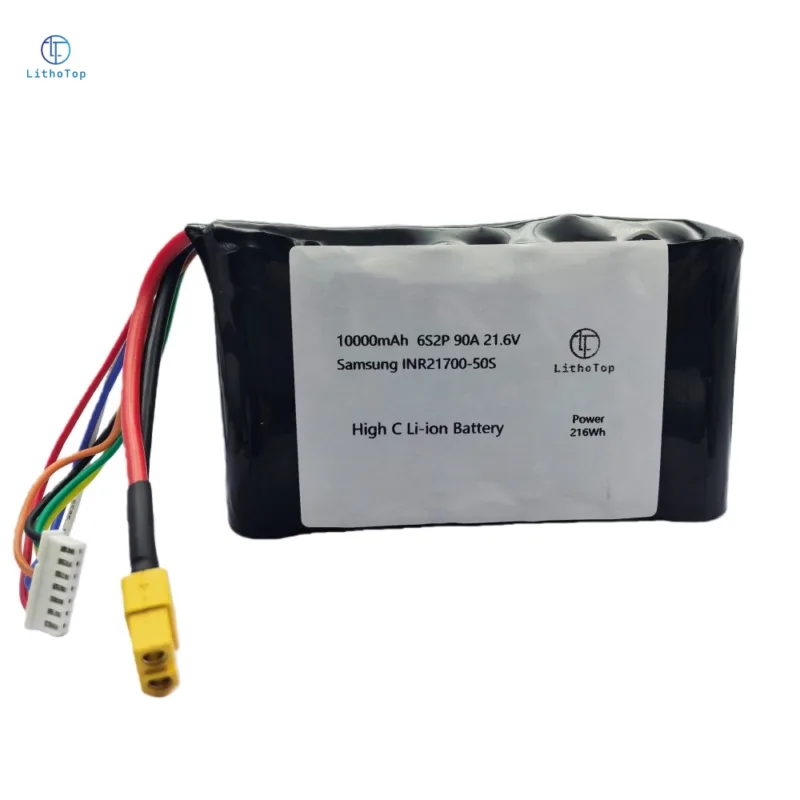
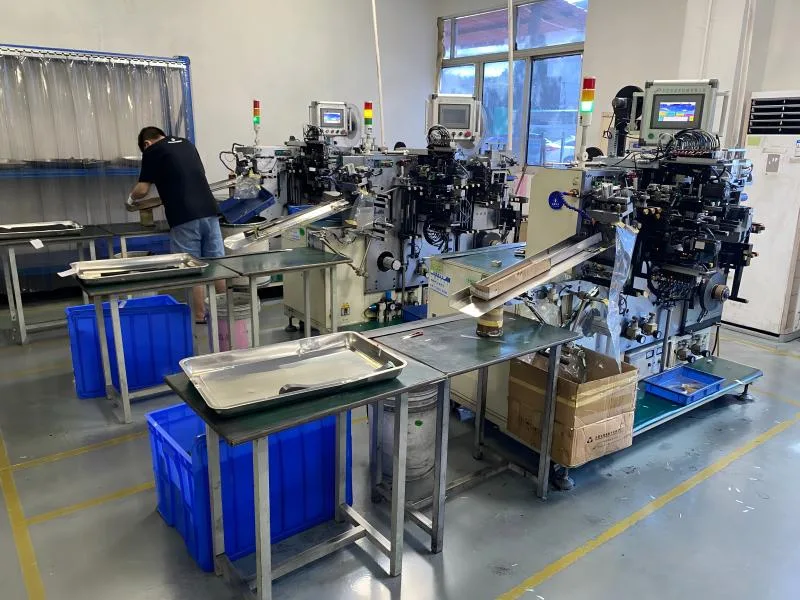
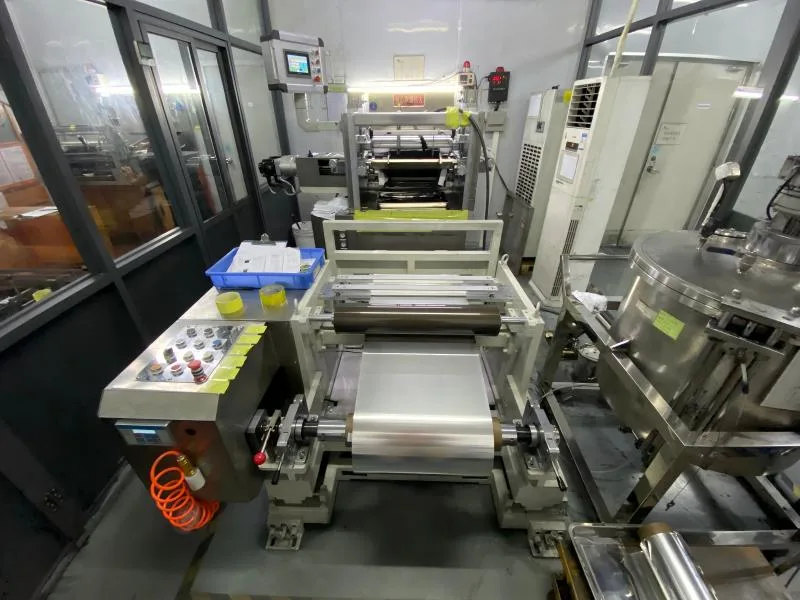
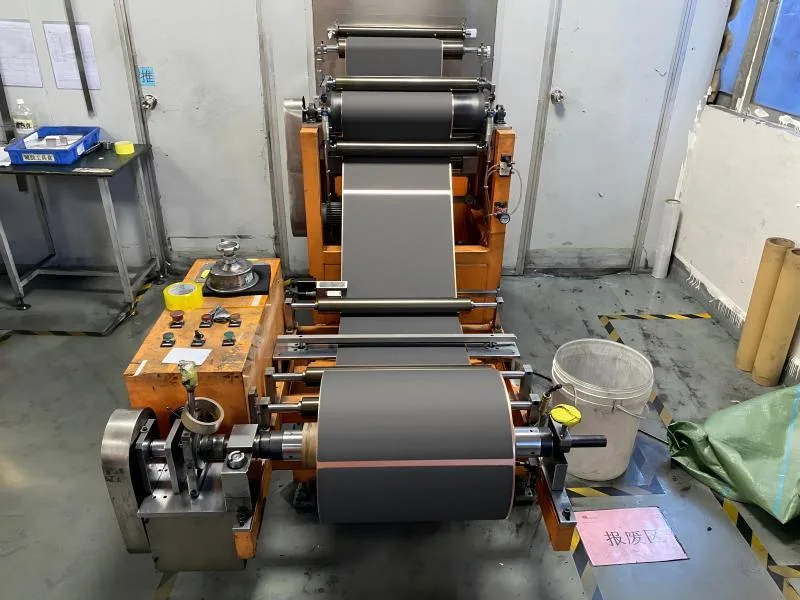
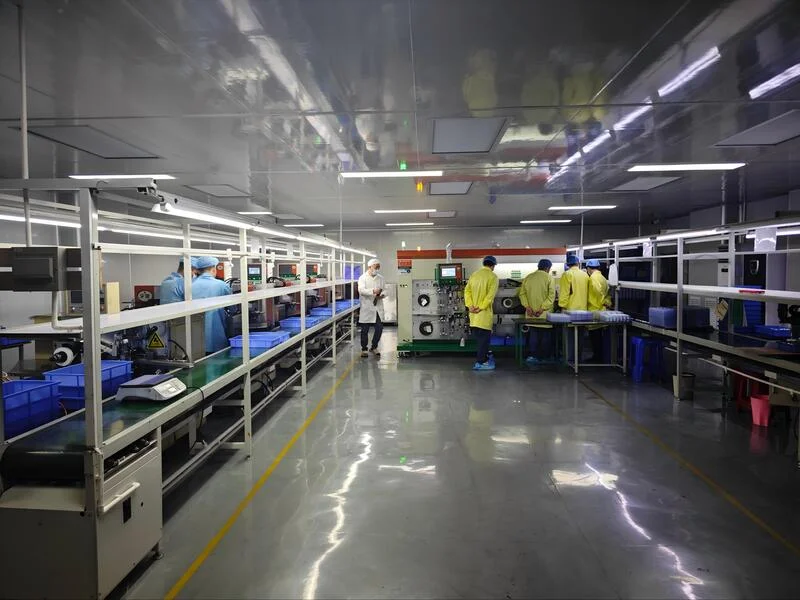
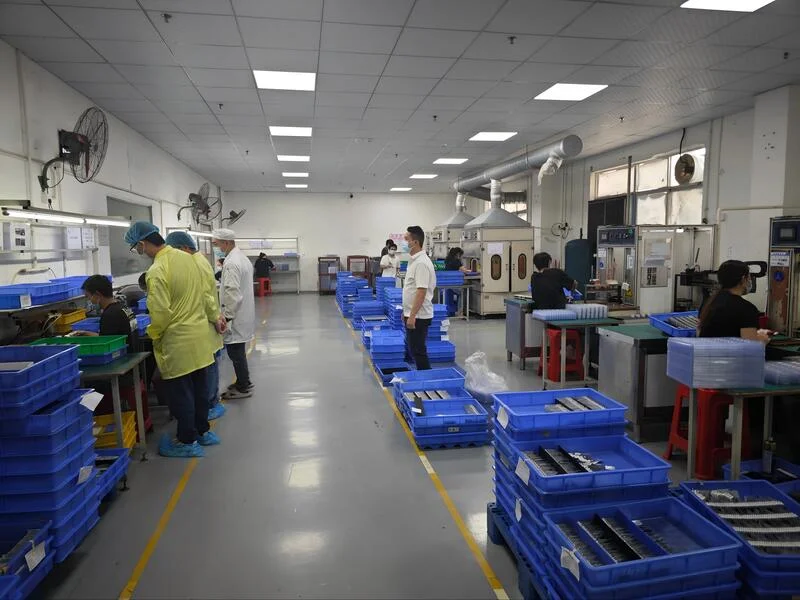
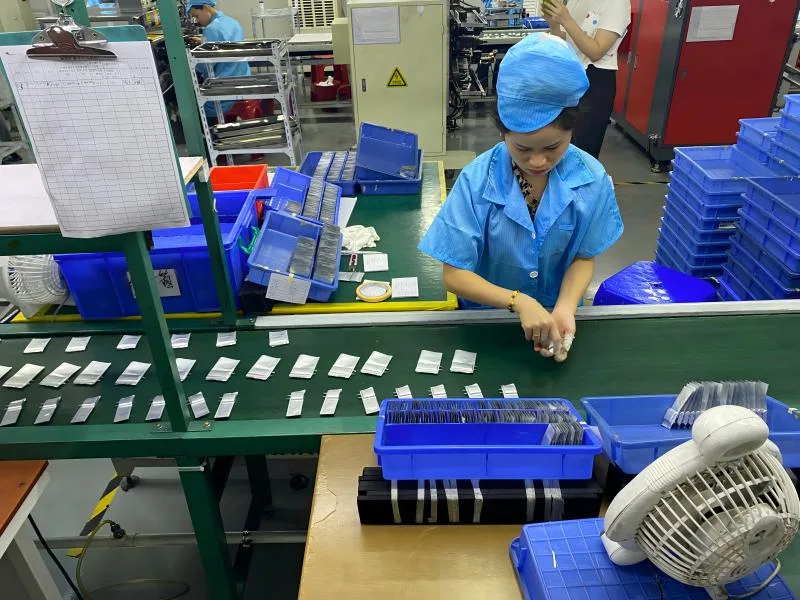
LithoTop operates advanced lithium battery manufacturing facilities equipped with automated production lines, precision testing equipment, and strict quality control systems. From cell selection to battery assembly and final inspection, every process is carefully managed to ensure stable performance, reliable quality, and high production efficiency. With experienced engineers and strong OEM/ODM capability, we provide customized battery solutions for customers worldwide.

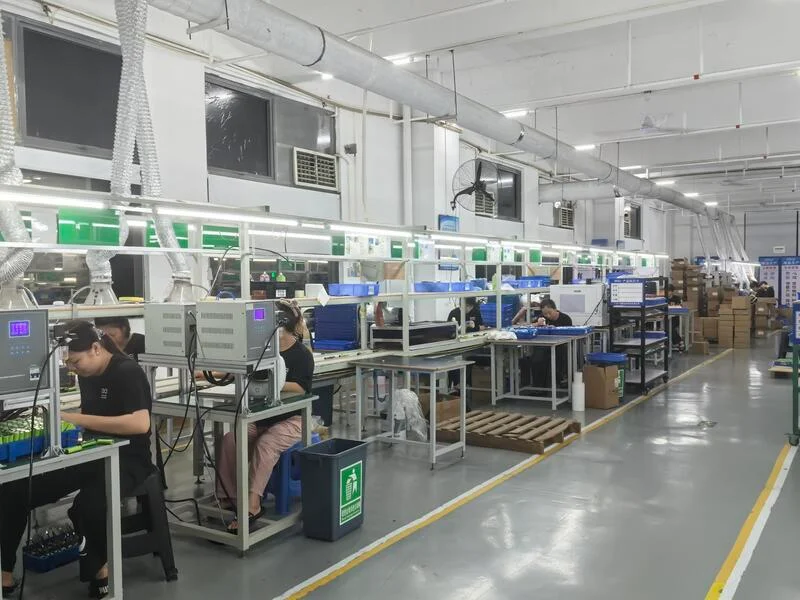
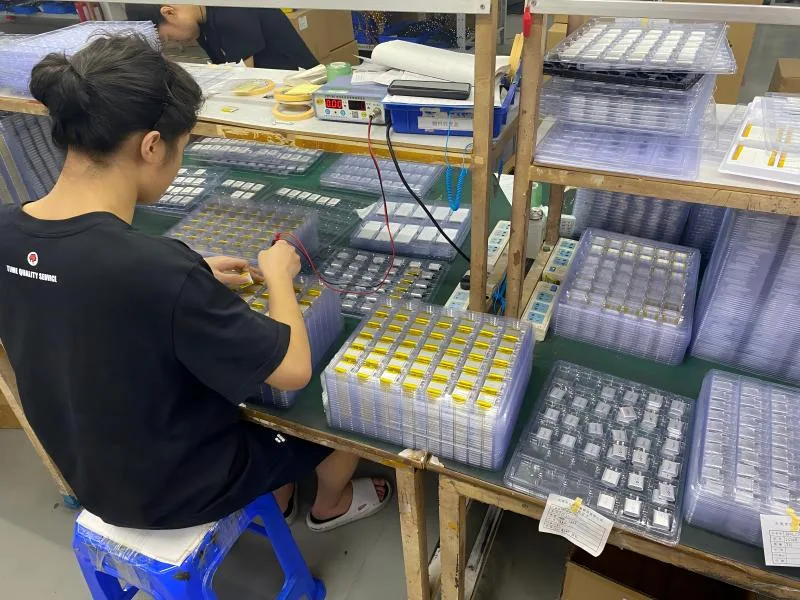
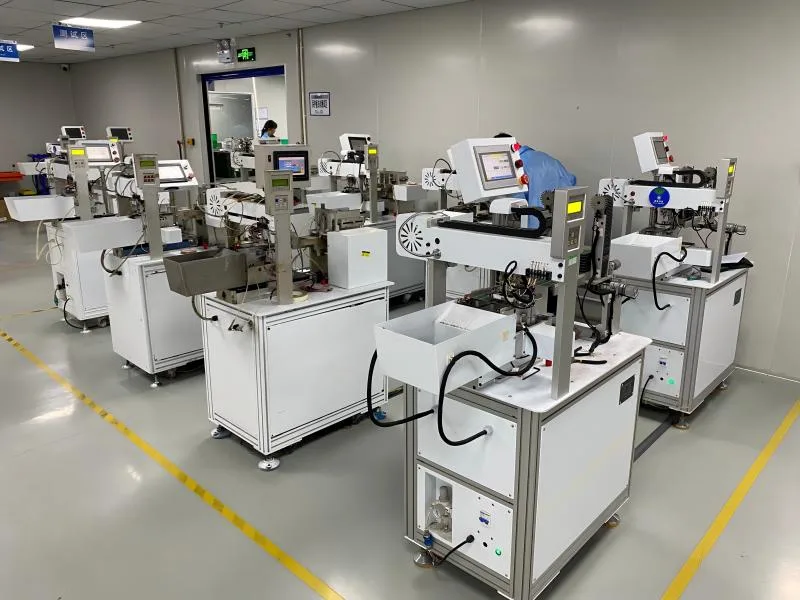
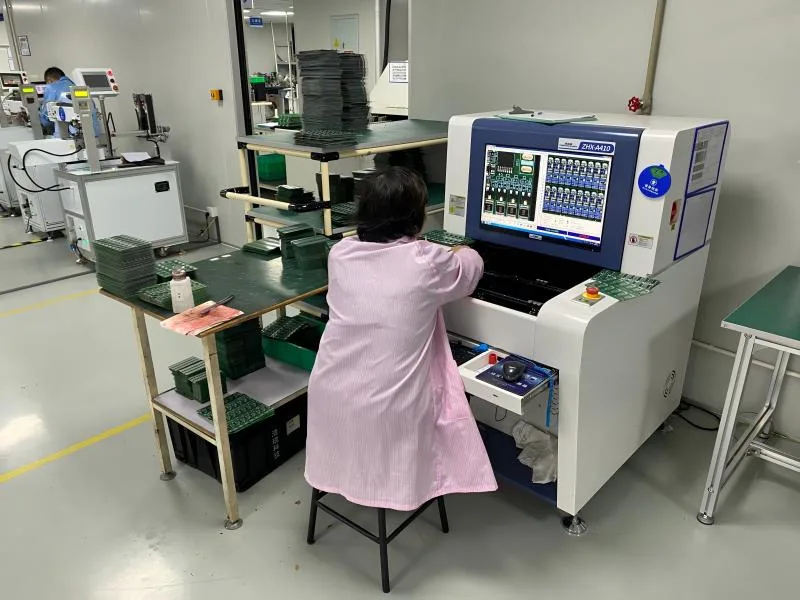
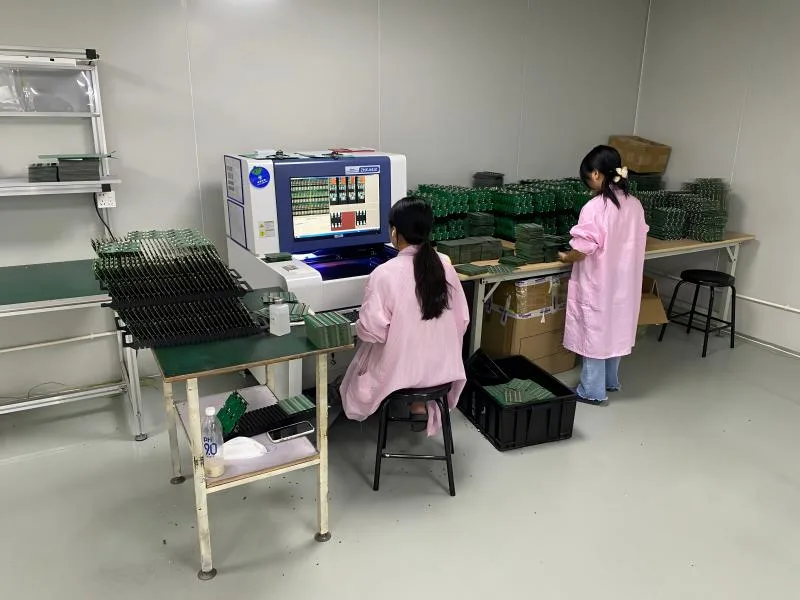
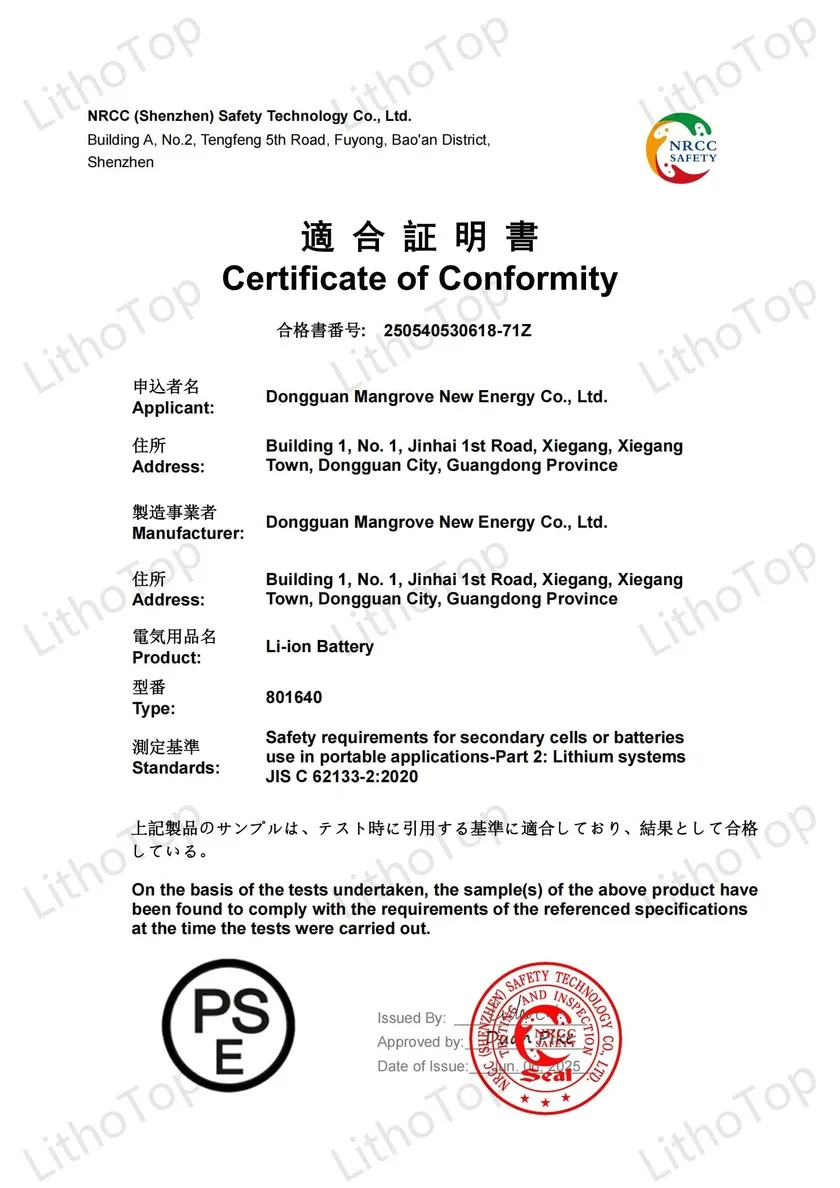
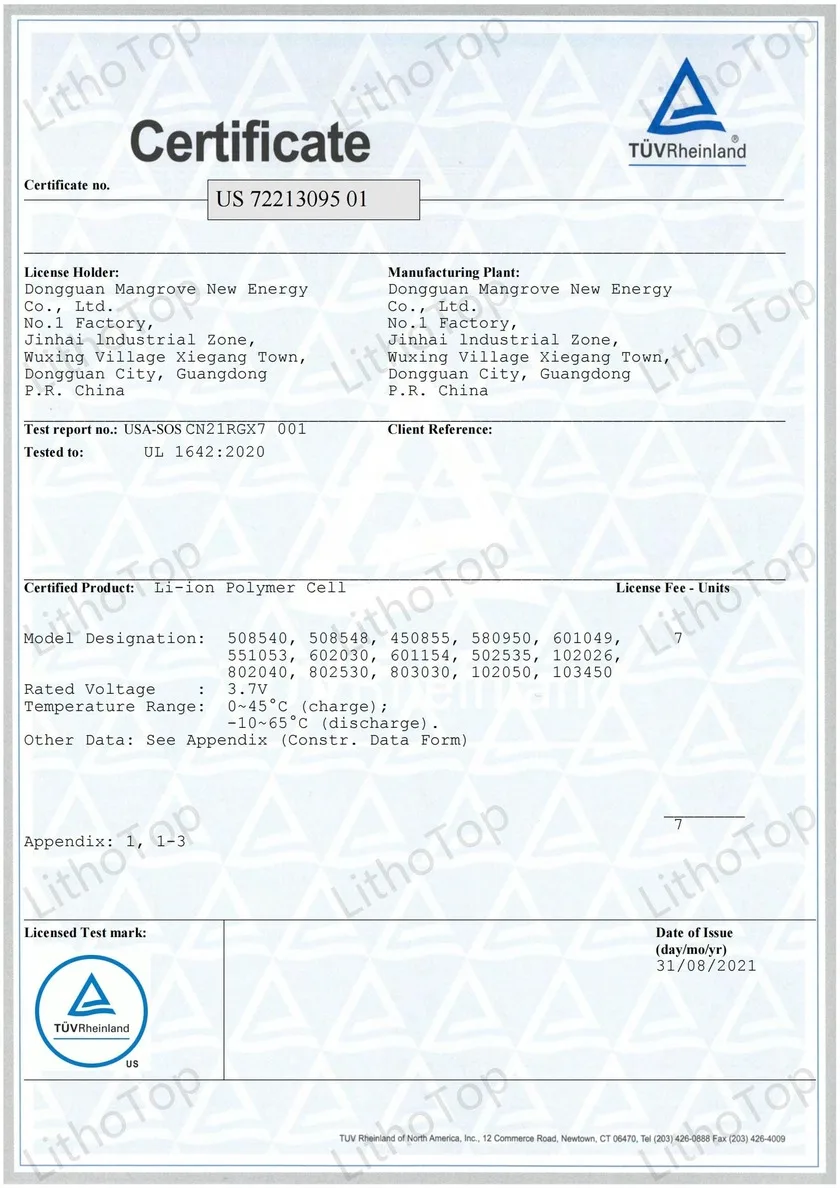
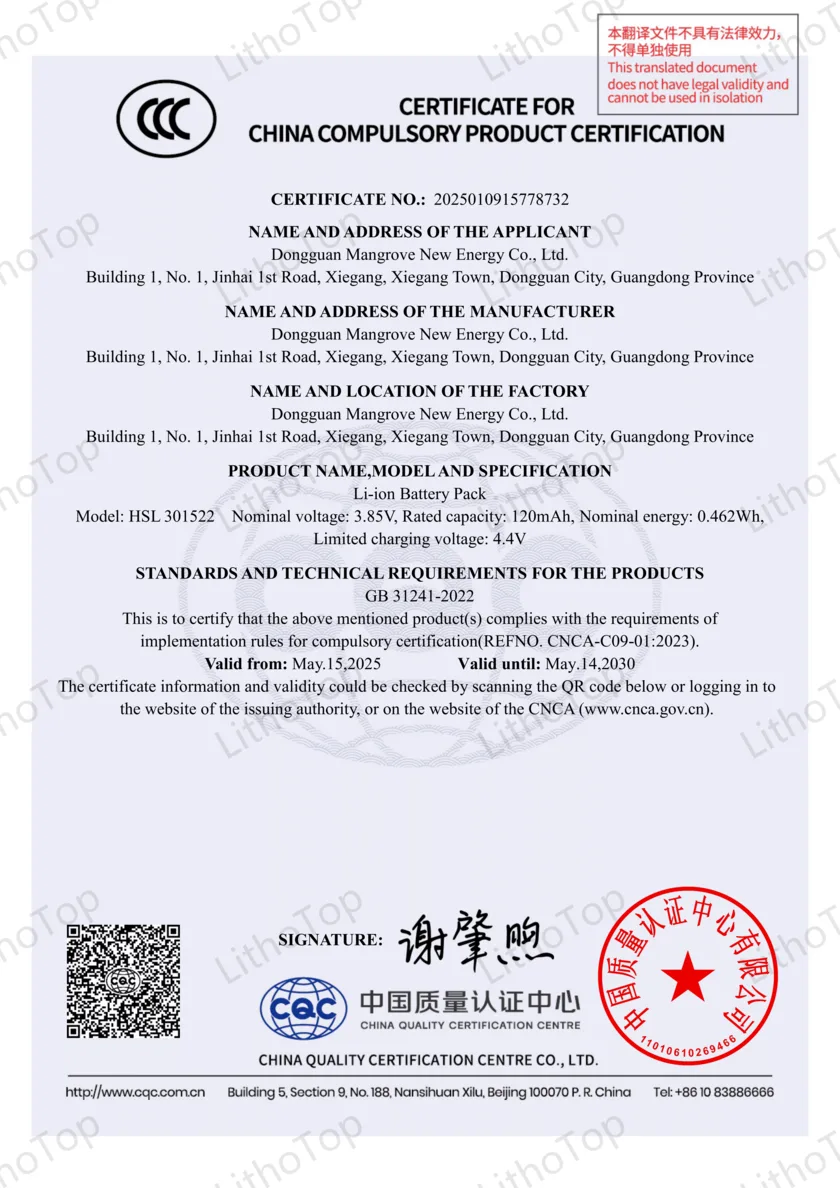
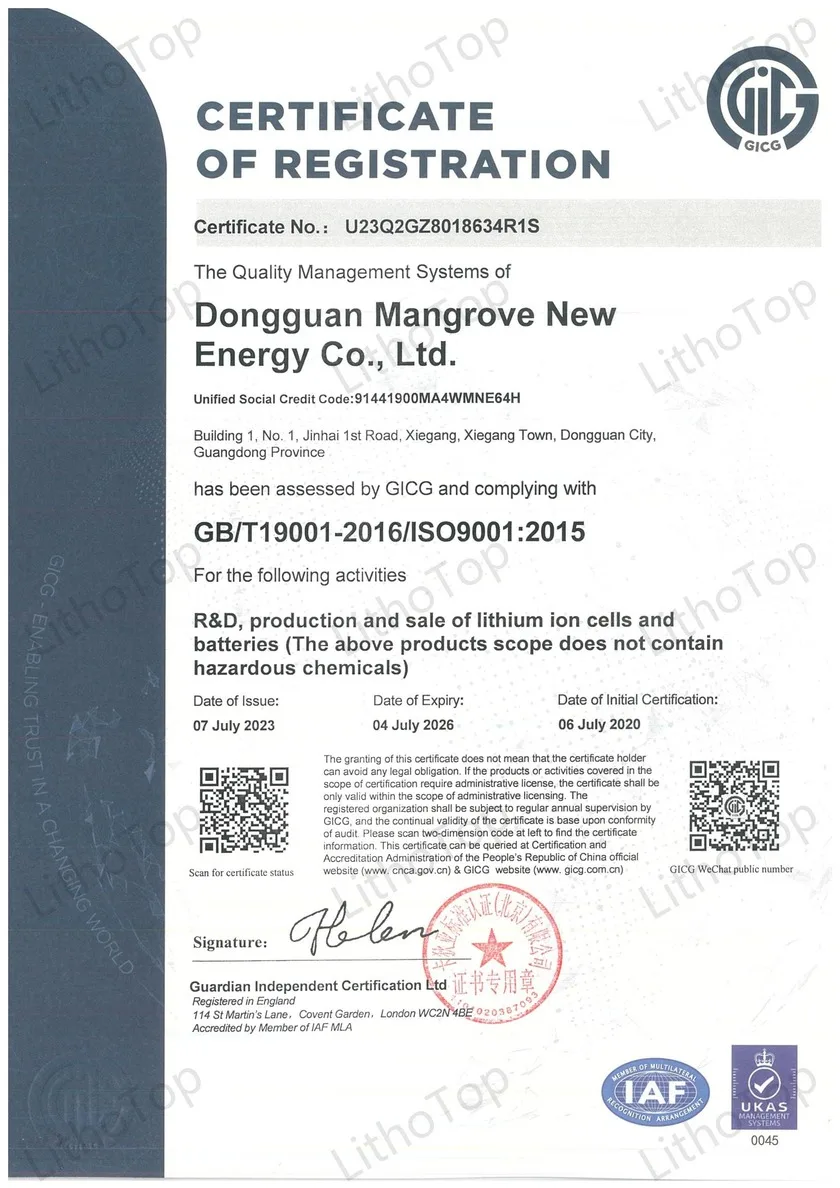
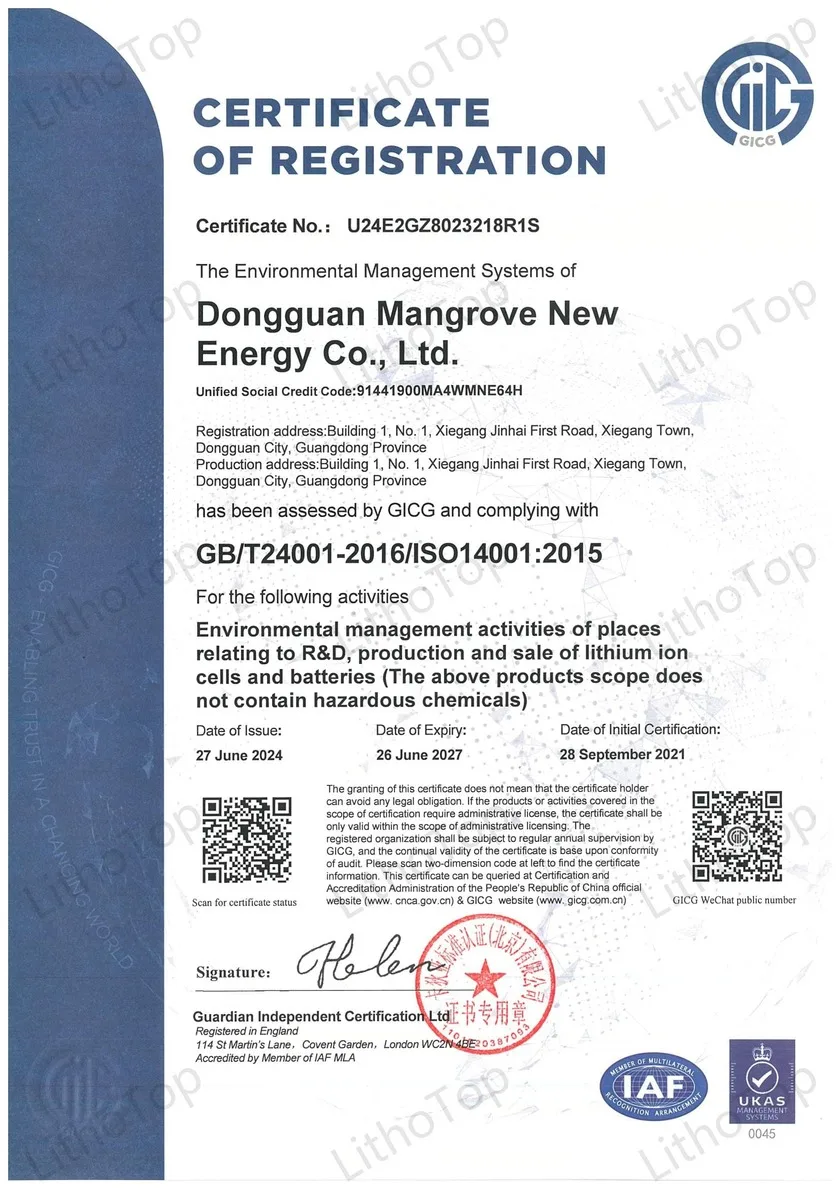
LithoTop provides comprehensive certification support for custom lithium batteries to help customers accelerate product development and global market entry. From prototype verification to mass production, our engineering team assists with battery compliance, transportation documentation, and international safety standards, reducing certification risks and shortening your project timeline.
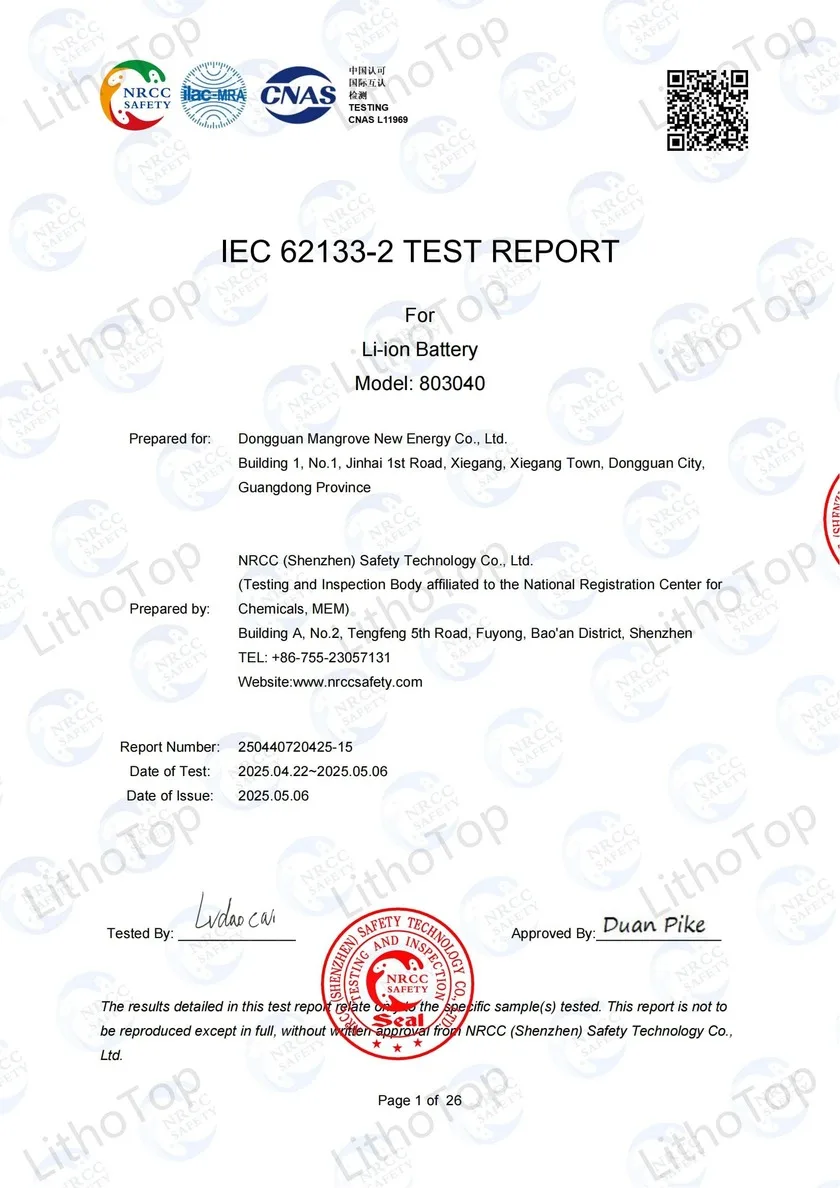
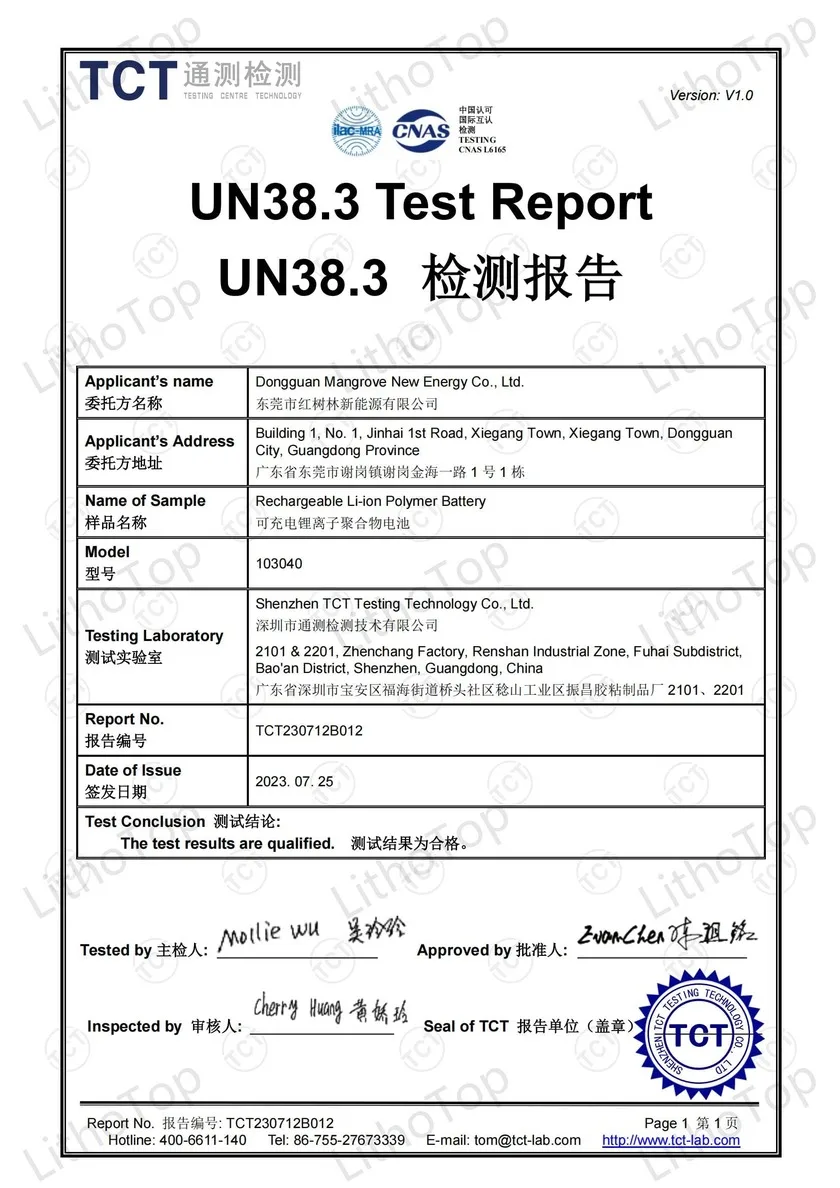
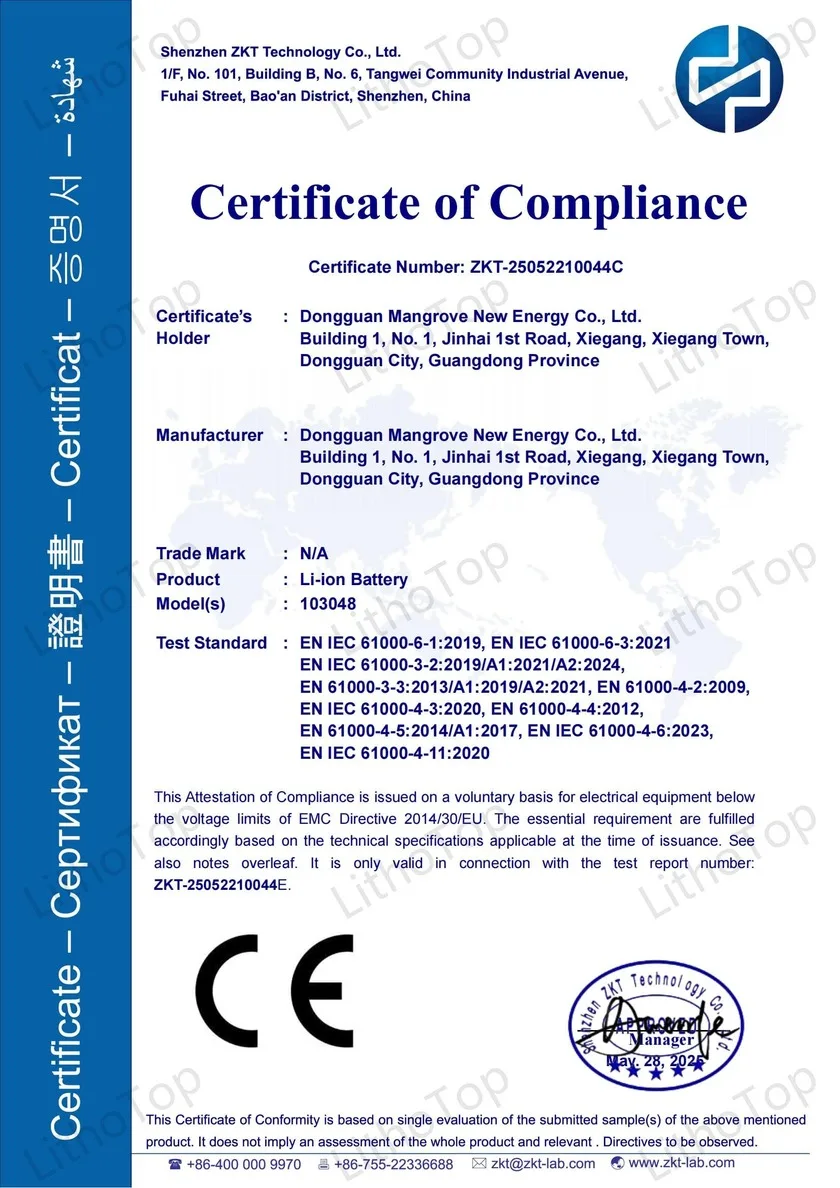
Stay updated with the latest lithium battery industry news, product innovations, technology insights, and application trends from LithoTop. Explore expert articles, battery guides, and industry updates to learn more about custom lithium battery solutions, energy storage, UAV batteries, wearable device batteries, and advanced power technologies.
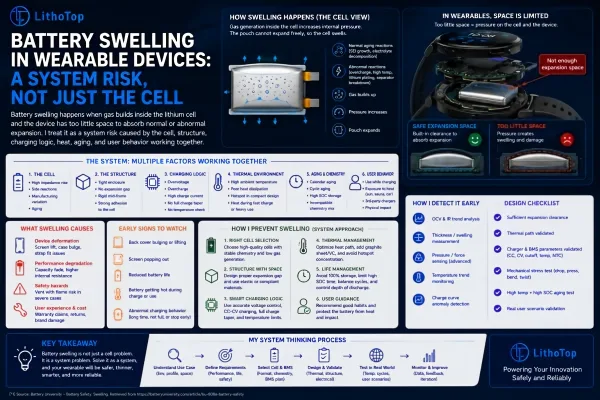
I often meet teams after swelling complaints appear. The product looks finished, the launch is…
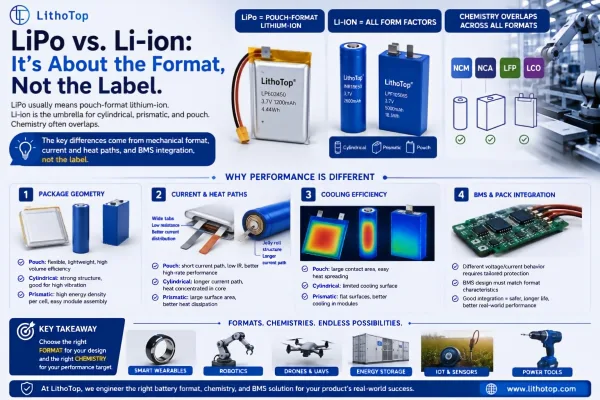
Confusion costs time, money, and reliability. I see teams argue labels. They miss the real…
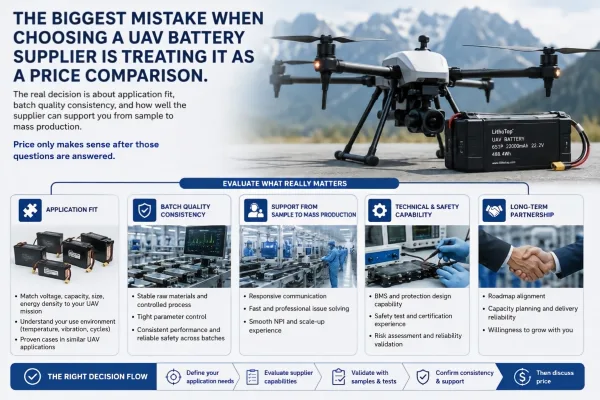
You ask for a price quote. The supplier sends a number. You compare three quotes…
Get Your Factory-Direct Quote

LithoTop | Battery Expert
Online
Hi! Welcome to LithoTop.
Please send your specs for an instant solution:
1. Dimensions (T*W*L)
2. Voltage & Capacity
3. Peak Current
I'm online to help you now!
— Caroline | LithoTop
WhatsApp Us
Online | Privacy policy
WhatsApp us
Response within 12 hours. Save up to 30% on bulk orders.
🔒 100% Privacy. No Hidden Costs. Free Sample Options.