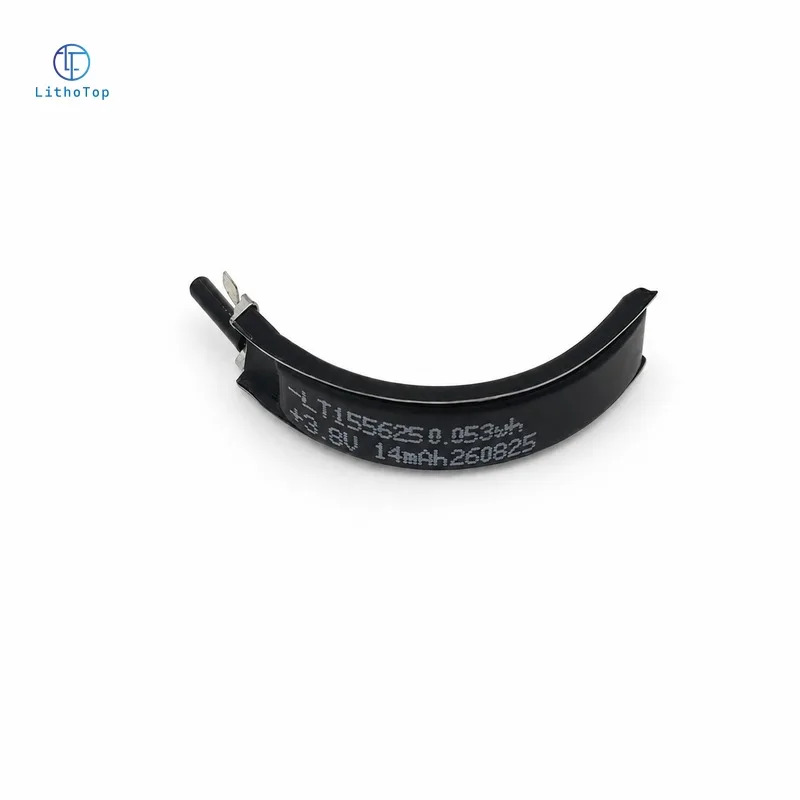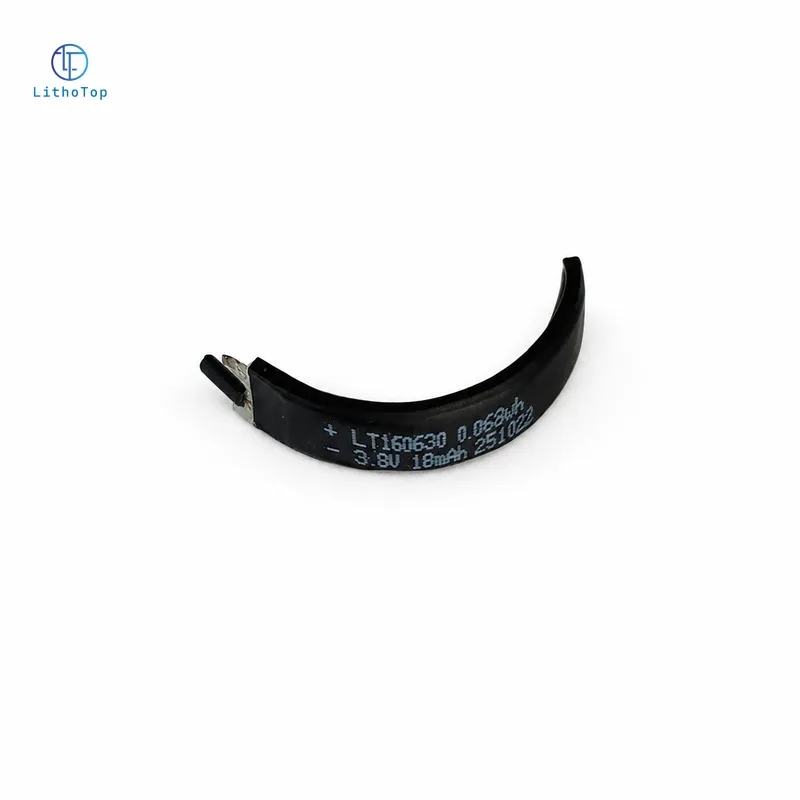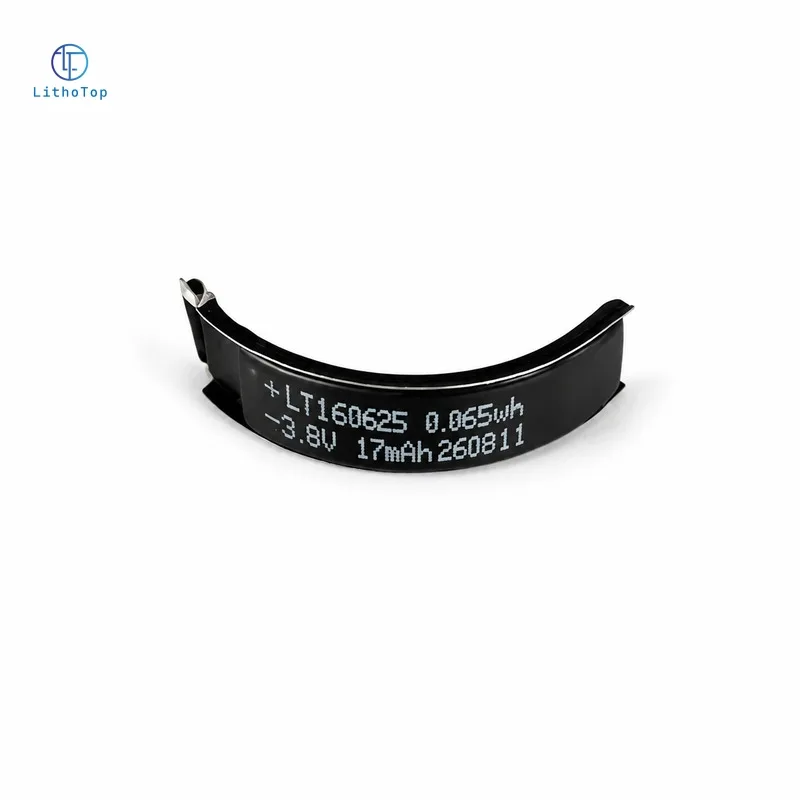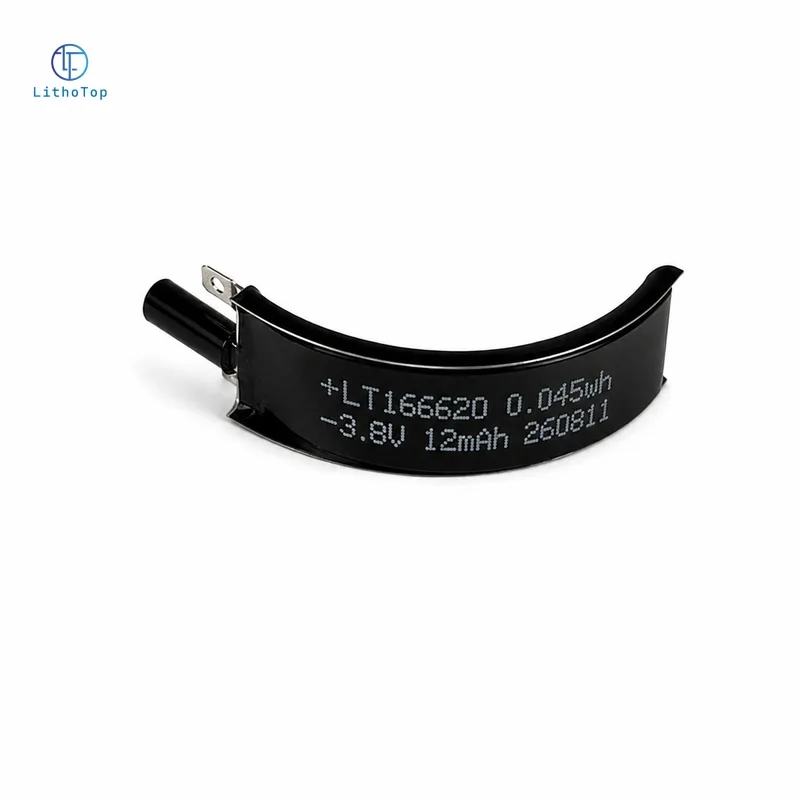
Space-Safe Special Shape Battery | Zero-Failure Integration

Stop wasting device space.

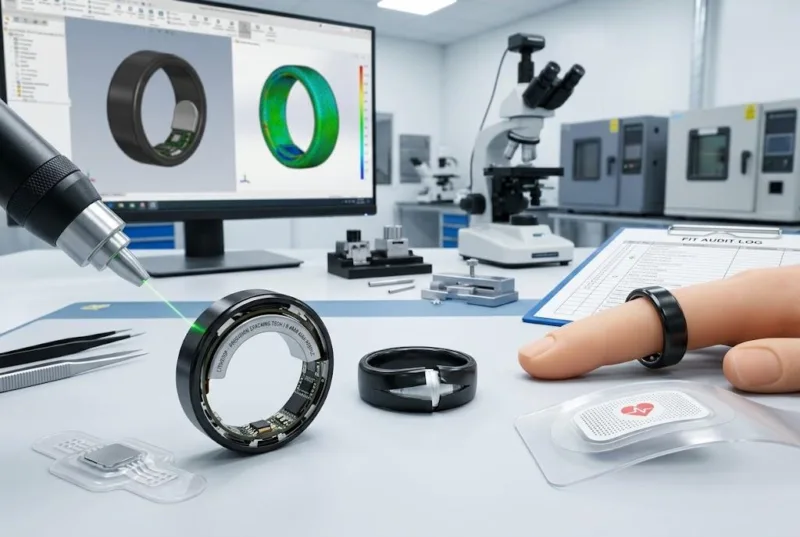
We eliminate assembly risks through precision stacking and 3D fit auditing to protect your professional reputation and ensure your project moves from prototype to mass production with zero technical delays.

0.4mm Ultra-thin | Maximum power, minimal space.

±0.1mm Tolerance | Perfect fit, first try.

Global Delivery | Secure logistics and compliance.

Special Shape Battery Application Scenarios

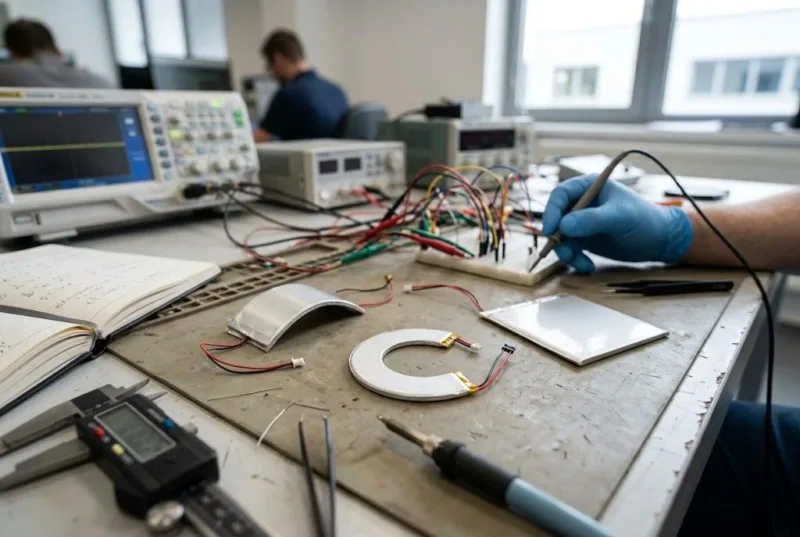
We calibrate battery structures to survive specific environmental stress and ensure physical integrity for your hardware.
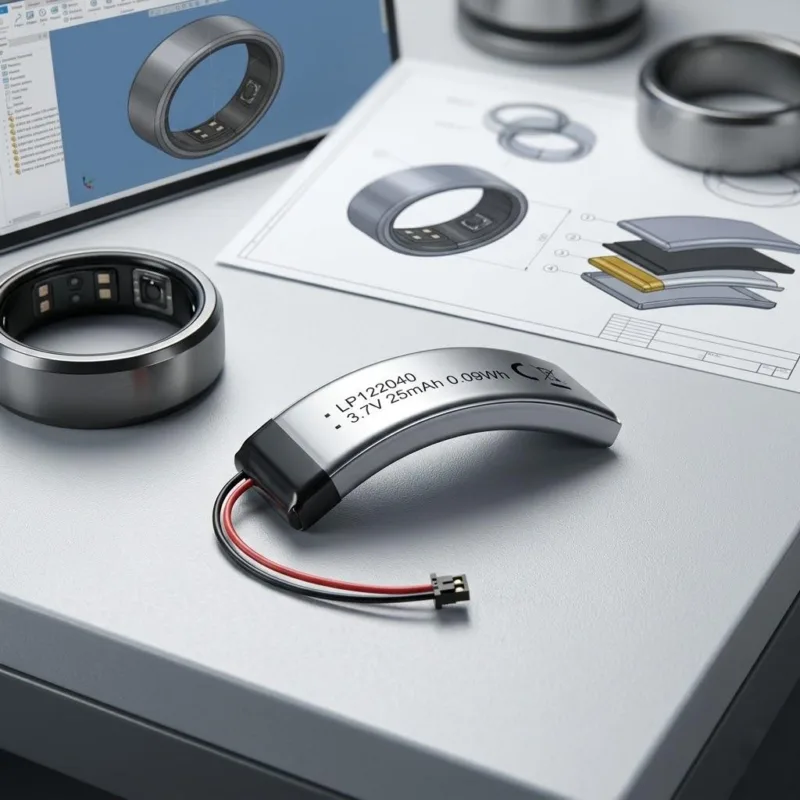
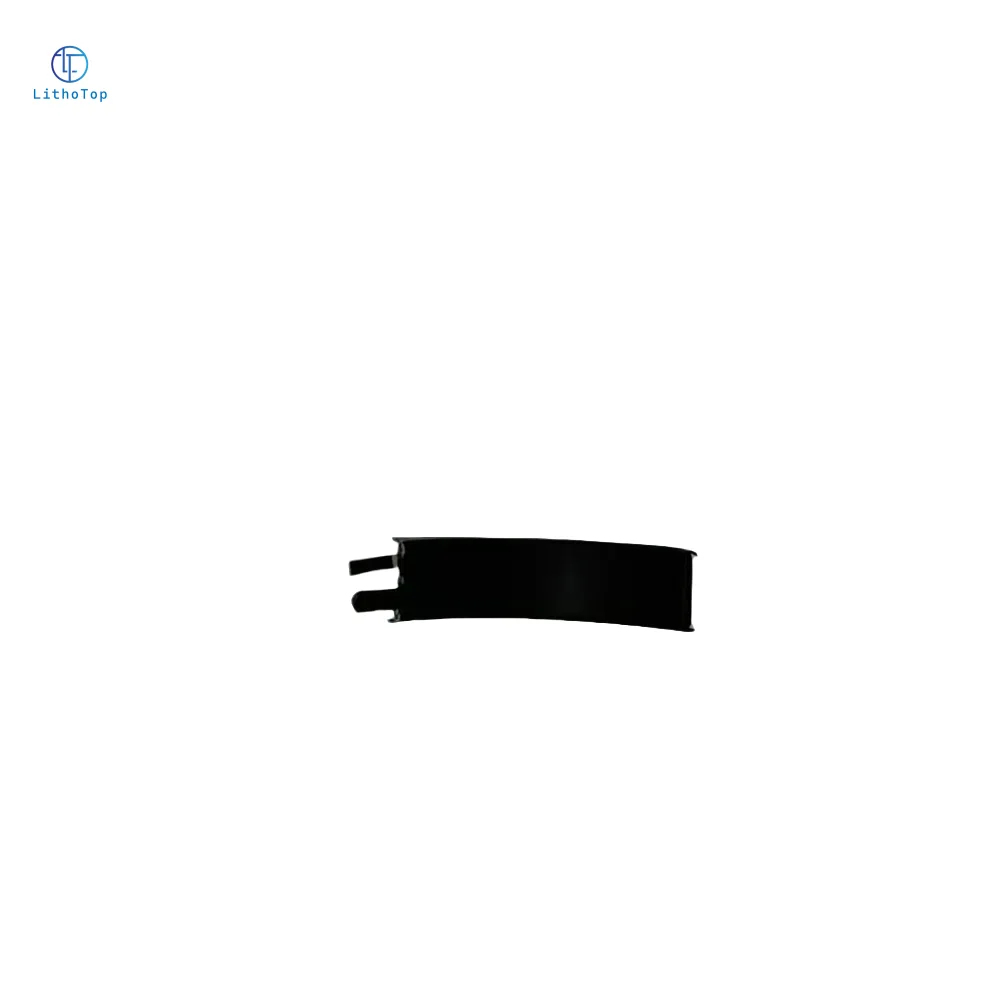
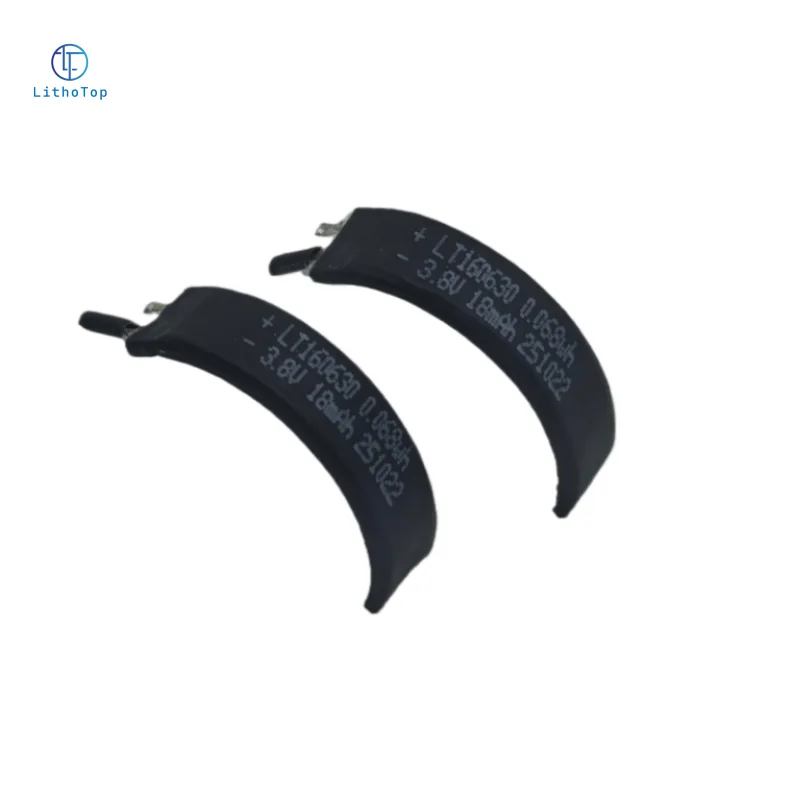
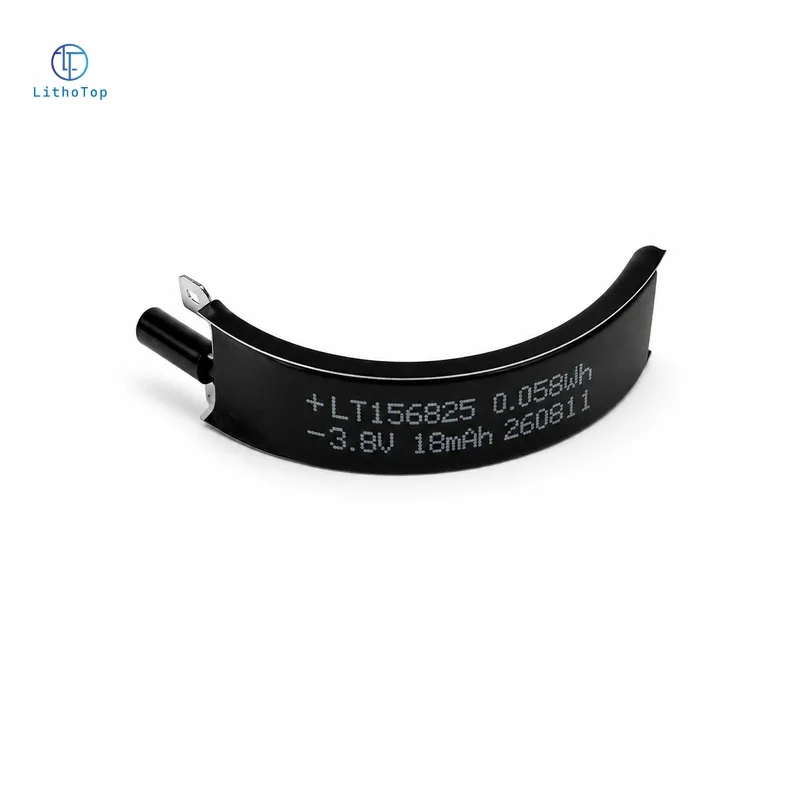
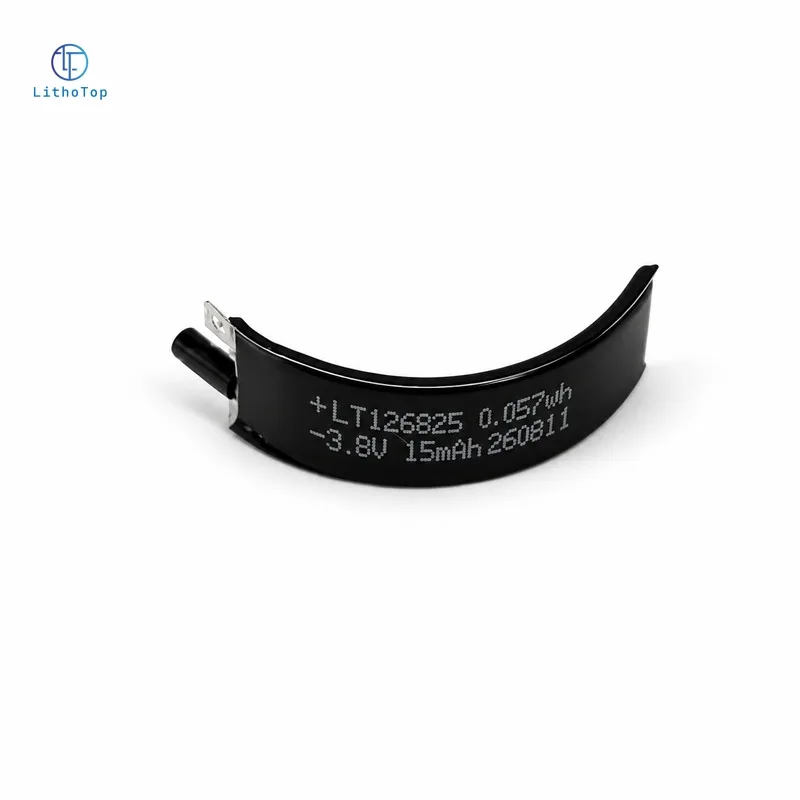
Precision Curved Lipo Battery For Smart Rings With Technical Assembly Blueprints.

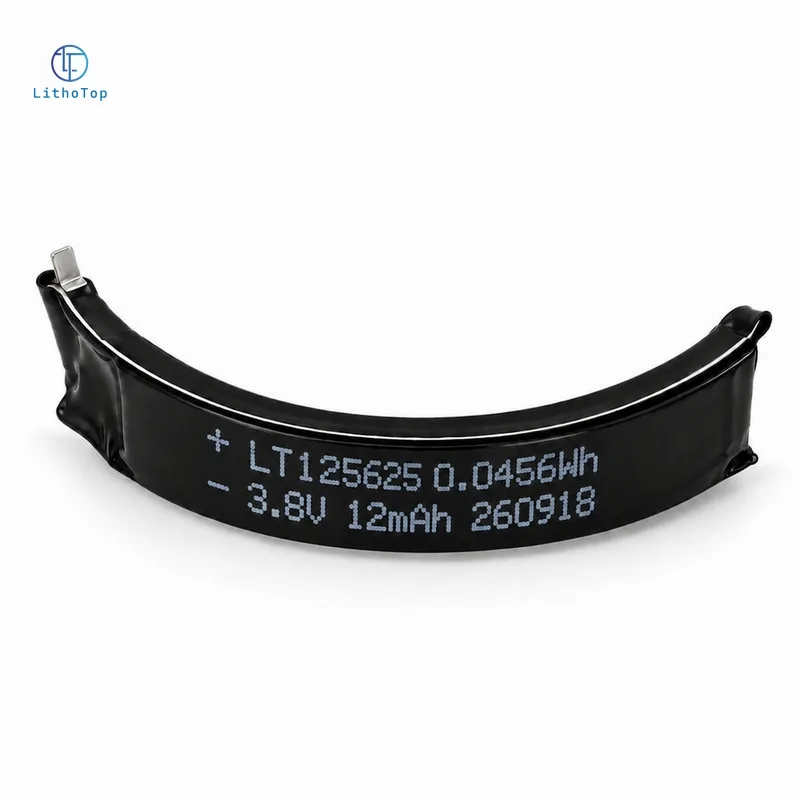
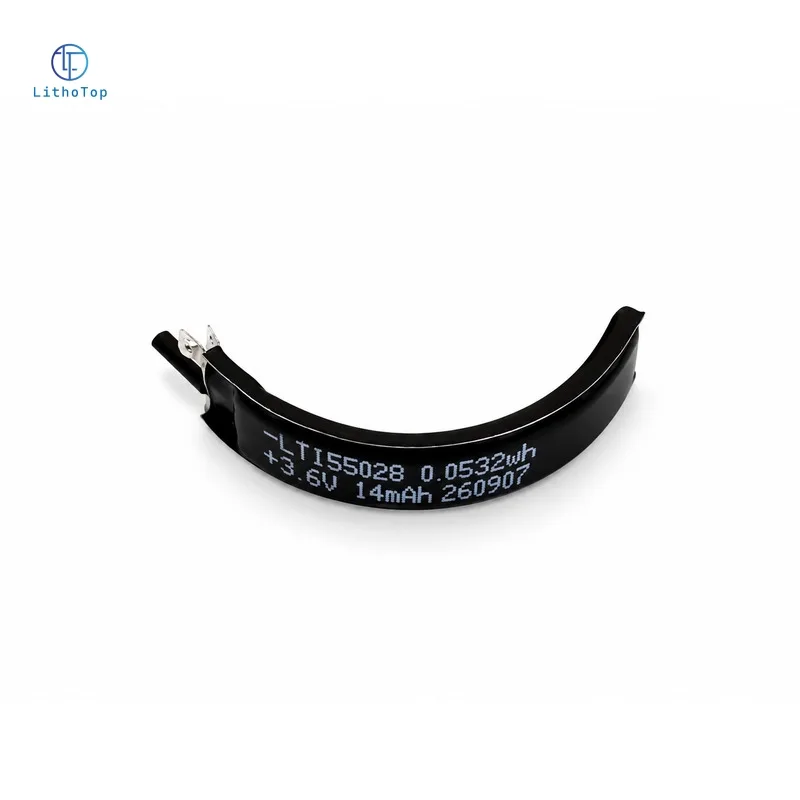
Curved Wearable Batteries

Stacking technology stops internal stress to prevent battery swelling in smart rings.

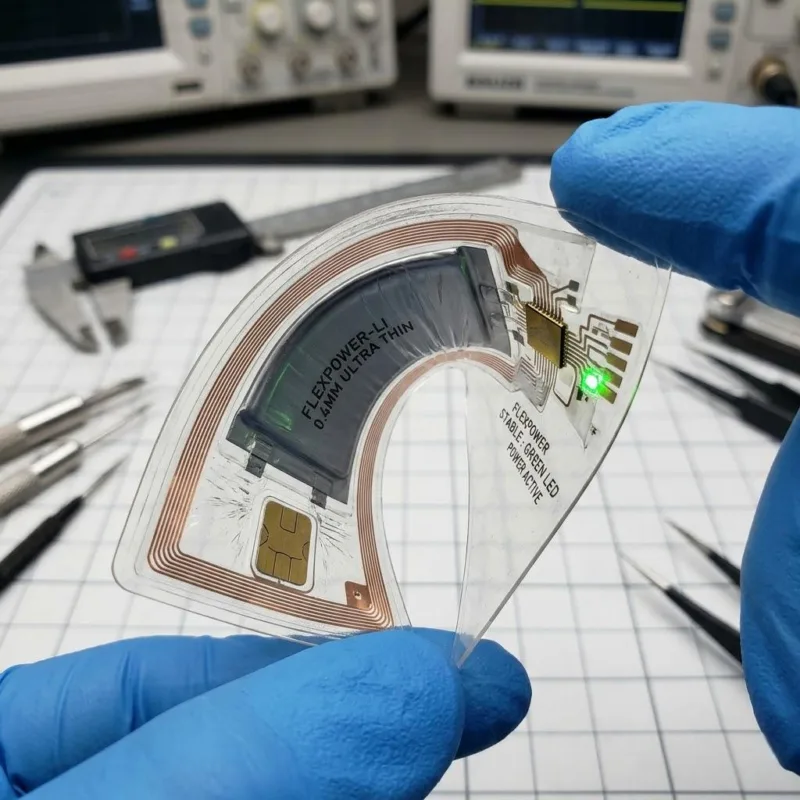
Flexible 0.4mm Ultra Thin Lipo Battery For Smart Cards And Clinical Patches.

Ultra Thin Cells

Thin 0.4mm cells survive constant bending to stop power failures in smart cards.

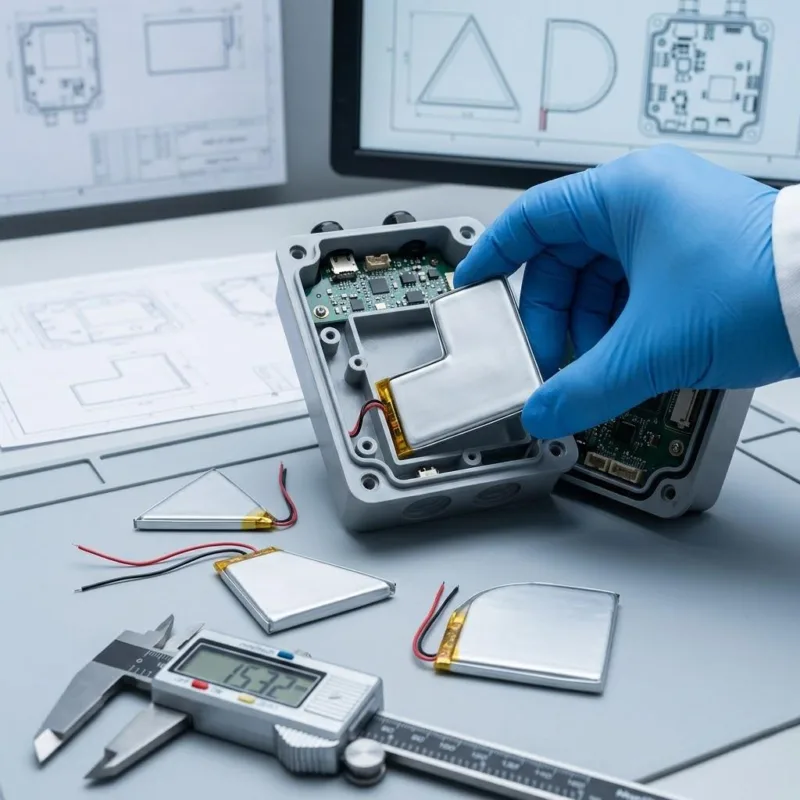
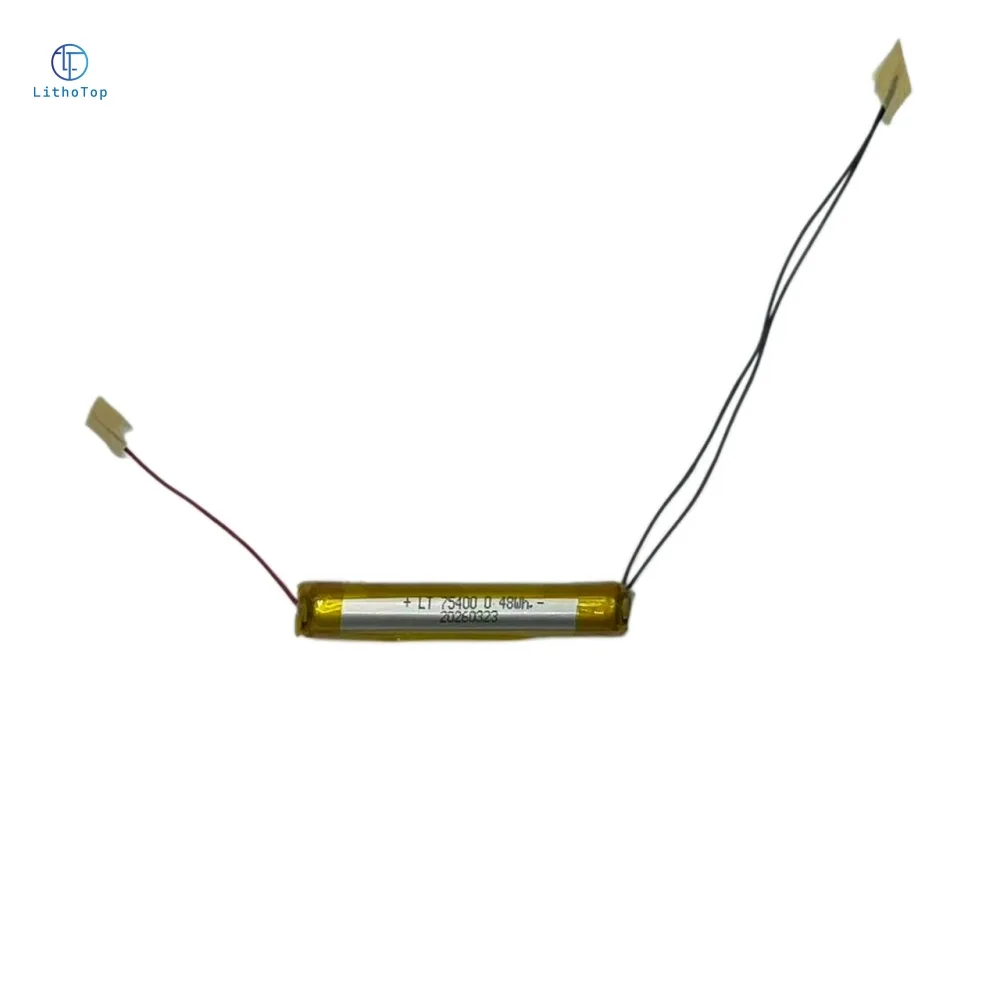
Custom Triangle And L Shaped Lipo Batteries For Industrial Iot Sensor Integration.

Geometric IoT Cells

Custom geometric shapes maximize internal space to extend run times for IoT sensors.

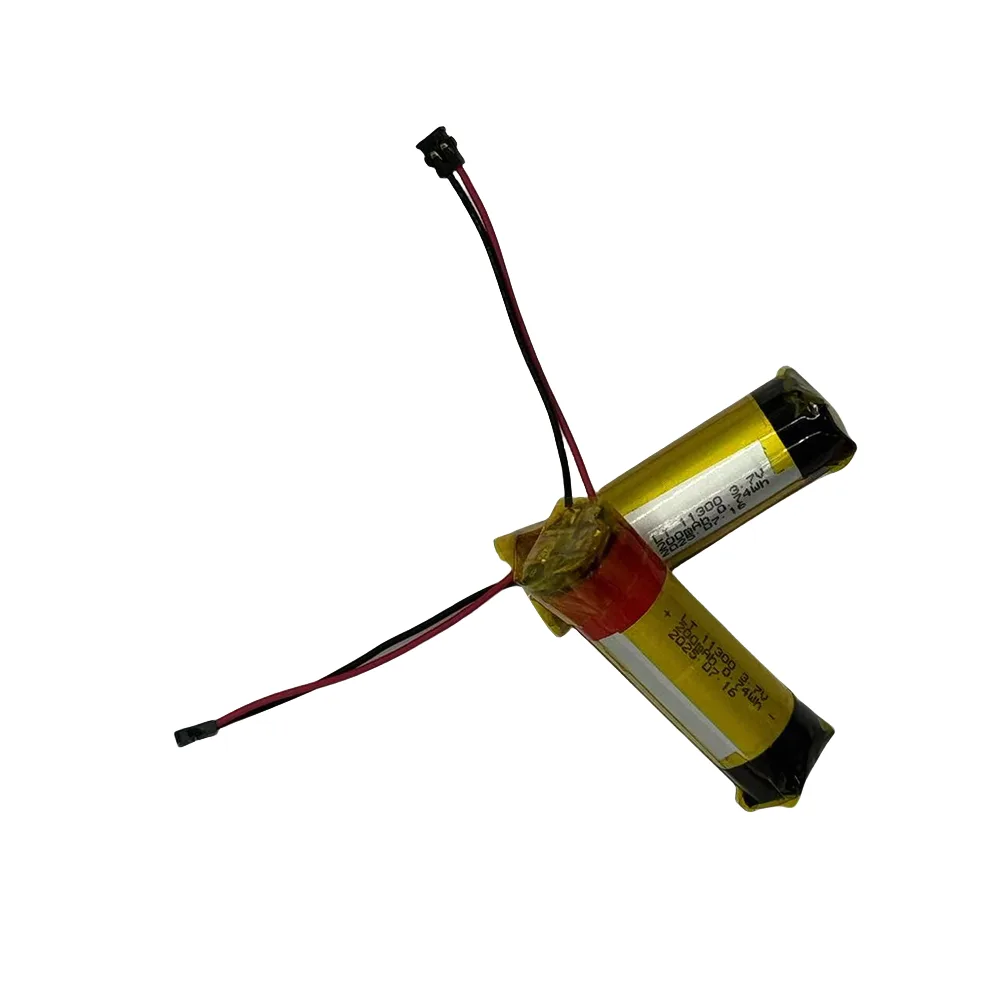
Medical Grade Lipo Battery With Custom Pcm Logic For Surgical Robotic Equipment.

Critical Medical Power

Custom PCM logic handles peak currents to prevent system crashes in medical hardware.

Proven Custom Battery Projects

We turn complex power needs into safe and working hardware. Look at our real builds to see how we protect projects from failure with smart engineering.

Manufacturing Capabilities and Technical Limits

We define the edge of battery engineering through precision stacking and geometric calibration to support your hardware specs and volume requirements.

Physical Geometry and Precision

Battery Geometry Technical Limits Tolerance Technical Advice
Curved and Arc 1.0mm to 10.0mm | R10 to R150 ±0.1mm Stacking is mandatory for curved designs to prevent internal tension and casing failure.
Ultra Thin Cells 0.4mm to 0.95mm ±0.05mm Reinforced films are required to stop moisture and maintain a 24 month shelf life.
Irregular Polygons Triangles and D-shapes Custom Precision alignment prevents edge short circuits in sharp angle housings.

Performance and Quality Standards

Energy Systems

● 3.7V to 3.85V Systems
● Density up to 680 Wh/L
● 500 plus Cycle Life

High voltage 4.4V charging extends wearable run time without adding battery bulk.

Thermal Range

● 1C to 40C Discharge
● -40C to +85C Operation
● Low Self-discharge Rate

We match pulse current to BMS logic to stop device brown outs during peak loads.

Safety Audit

● 100% OCV and IR Testing
● 3D CAD Fit Verification
● Custom Integrated BMS

A 72 hour aging test intercepts failures before they reach your assembly line.

Custom Battery Quality and Safety Standards

We stop hardware damage through exact material selection and shape testing. Every unit handles physical stress to prevent unexpected power failures in your device.

Anti Swelling Stacking

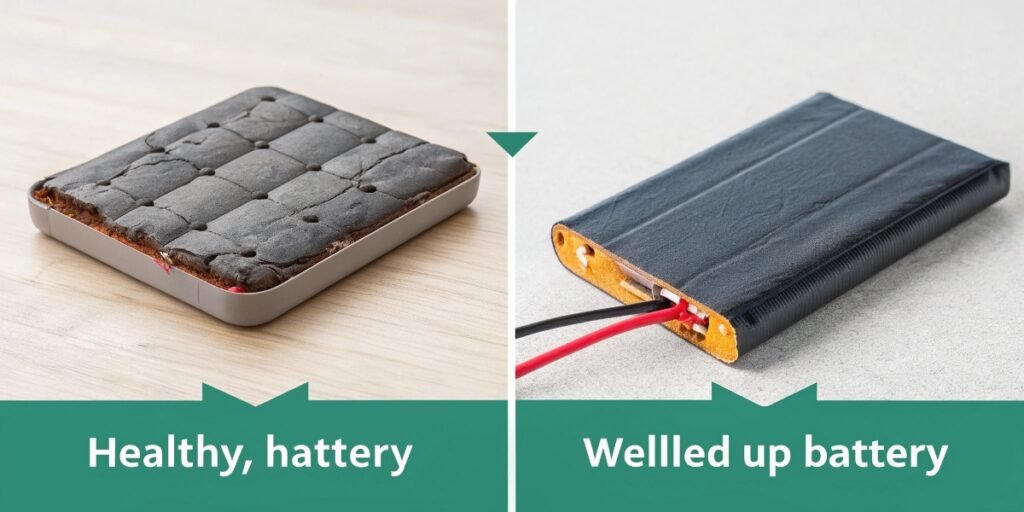
We use special layering to stop batteries from expanding and breaking your device case.

Leak Proof Sealing

Every battery passes vacuum tests to stop chemical leaks and protect your sensitive electronics.

Crash Free Circuitry

We check every protection board to ensure it fits the shape and stops system restarts.

Which Special Shape Path Fits Your Project

Stop guessing between space and cost. We simplify technical choices into two strategic tracks to help you balance battery life and budget in 30 seconds.
Precision 0.4mm Ultra Thin Lipo Battery For Smart Rings And Medical Sensors With Stacked Electrode Technology.

Precision Wearables and Medical Sensors

Protect your high value device from internal structural damage and stop battery swelling from snapping your product casing.

Best for: smart rings and medical patches where fitting the housing is the only priority.

My Advice: I mandate stacking technology here. A single swollen battery will break your plastic casing and ruin your professional reputation.

The Solution: We use precision stacking and 3D fit auditing to ensure your battery stays slim and your brand stays safe.

Mass Production Of Slim Battery Cells For Iot Sensors And Industrial Tracking Devices Using Existing Mold Library.

Mass Market IoT and Industrial Tools

Balance technical needs with production speed and budget while using existing molds to cut upfront tooling costs.

Best for: smart sensors and tracking tags where saving on mold costs is the priority.

My Advice: Do not pay for new tooling if you do not have to. Use our existing mold library to get a custom fit without the custom price.

The Solution: We provide non standard cell variations that fit irregular spaces while keeping your production budget under control.

Special Shape Manufacturing Methods

We match cell chemistry and assembly logic to your specific housing. Choosing the wrong method leads to physical failure and brand damage.

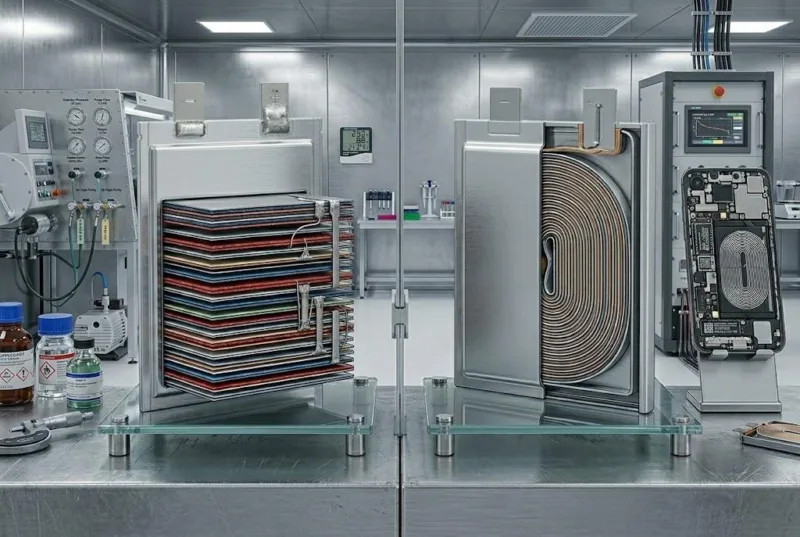
Comparison Of Stacked Electrode Vs Wound Battery Structures For Ultra Thin Electronics And Device Structural Integrity.

Step 1: Assembly Method

  • Stacking Process — Best for curved or irregular shapes. It prevents internal stress and stops swelling in tight hardware corners.

  • Winding Process — Best for standard rectangles. It lowers costs for simple boxes but causes failure in curved designs.

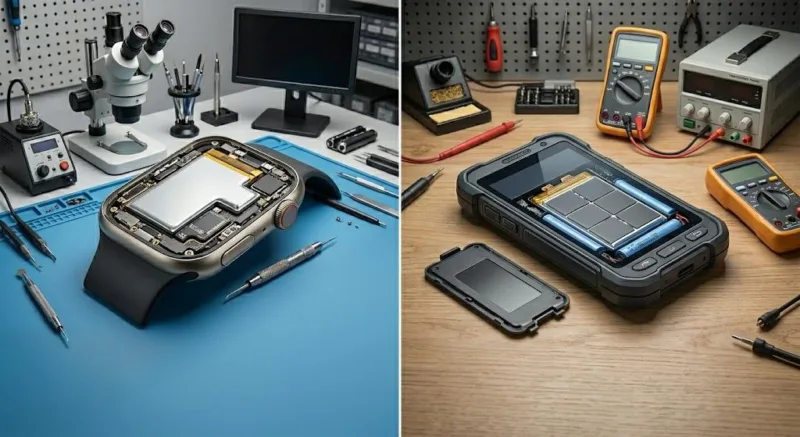
Step 2: Power Density

  • High Voltage LiPo — Best for ultra thin electronics. It provides longer run times without adding any physical bulk to your device.

  • Standard Lithium Ion — Best for industrial hardware. It delivers stable power where internal space is not a technical crisis.
Comparison Of A Custom High Voltage Lipo Battery In A Slim Smartwatch Versus A Standard Lithium Ion Battery In A Rugged Industrial Handheld Device.

Avoiding Common Special Battery Mistakes

We use decades of experience to intercept hidden risks and protect your professional name from manufacturing disasters.
● Common Mistake: Space Planning

Why ignore the swelling gap?

Batteries expand during use. If you design the box too tight, the battery will snap your plastic casing or crush your PCB components.

Expert Advice

I recommend leaving a 10 percent safety buffer in your 3D design. We audit your CAD files to ensure the battery fits even at 100 percent charge.

● Common Mistake: Process Selection

Why use winding for arc shapes?

Winding technology is for standard boxes. Forcing it into curves creates uneven pressure and internal stress that causes early battery death.

Expert Advice

I mandate stacking technology for all curved and irregular designs. It is the only way to ensure even charge distribution and long cycle life.

● Common Mistake: Geometry Matching

Why guess the bend radius?

Small errors in curvature make manual assembly impossible. If the R-angle is off by 1mm, the battery will rattle or get crushed during sealing.

Expert Advice

I recommend sending us your 3D housing files for a fit simulation. We provide dummy battery samples to verify the physical fit before mass production.

Field Proven Results and Professional Trust

Stop relying on lab-only specs. These cases show how engineers and procurement leads eliminated battery failures by switching to our audited power solutions.

"My career was at risk when our smart rings started popping open. Swelling batteries were snapping our metal frames. LithoTop fixed the internal stress with their stacking process. We saved the launch and have had zero recalls since then."
47.png
David Miller
Head of Hardware
"Our medical project was a disaster because devices kept restarting during sync. I almost gave up until I found LithoTop. They audited our logic and matched the battery to our peak current. They solved a crisis that other factories ignored."
9.png
Sophia Chen
R&D Lead
"I almost lost our biggest contract when our trackers failed bend tests. Other samples simply cracked and leaked. LithoTop delivered a 0.5mm cell that survived 2,000 cycles. They saved my project and our company most important deal."
67.png
Sarah J. Thompson
Operations Manager

Our Expertise in Action

Have a Question?

FAQ

Get clear technical answers to stop production risks and protect your project.

No. We use stacked electrode technology and high purity cobalt to limit expansion to less than 5 percent. This prevents internal pressure from snapping your plastic frames or crushing PCB components.
Yes. We provide plus or minus 0.1mm tolerance matching. I recommend sending your 3D housing files for a fit simulation to ensure the battery integrates seamlessly on the first try.
Absolutely. We handle all Dangerous Goods logistics through specialized shipping channels. We deliver custom prototypes safely to your door while we work on your formal certification package.
Yes. We design bespoke protection boards that follow the battery curve or geometry. This ensures the protection circuit does not add unnecessary bulk or create assembly interference.
We use ultrasonic tab welding to lower internal resistance (IR). This stops thermal spikes during peak discharge, protecting your device electronics in small, sealed environments.
We provide a technical design audit within 24 hours. Custom engineered prototypes typically ship in 10 to 15 days, ensuring your industrial launch timeline stays on track.

Expert Custom Shape Technical Audit

Your hardware design carries a heavy professional weight.

We intercept critical failures—from 3D fit simulation to chemical safety—so you never face a battery recall or a crushed device casing on delivery day.

12h Expert Response

Free Battery Design Audit

360+ Certified Cell Library

Get Your Factory-Direct Quote

Response within 12 hours. Save up to 30% on bulk orders.

🔒 100% Privacy. No Hidden Costs. Free Sample Options.

Get Your Factory-Direct Quote

Response within 12 hours. Save up to 30% on bulk orders.

🔒 100% Privacy. No Hidden Costs. Free Sample Options.

Get custom battery and BMS solutions—fast, reliable.

Contact us today !