

01
Cell Selection
Select cell format, capacity and current capability for the application.
LithoTop designs and manufactures custom LiFePO4 battery packs using cylindrical and prismatic lithium iron phosphate cells for AGVs, robotics, solar energy storage, telecom, RV, marine, backup power and industrial equipment.
Voltage, capacity, discharge current, smart BMS, CANBus, RS485, Bluetooth, heating, enclosure, terminals and wiring can be customized around your equipment.
✅ 12.8V · 25.6V · 38.4V · 48V · 51.2V · Custom
✅ Prismatic & cylindrical LiFePO4 cells
✅ Prototype to OEM mass production
From compact industrial LFP packs to 51.2V smart energy systems, LithoTop develops custom LiFePO4 battery solutions according to voltage, capacity, current, communication and mechanical requirements.
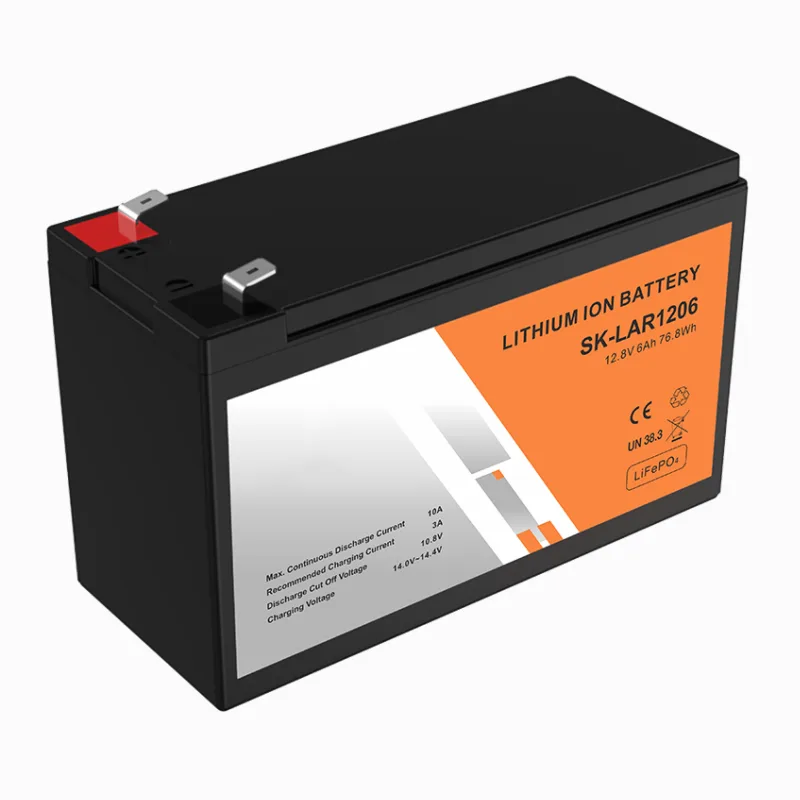
4S LiFePO4 battery systems for RVs, marine equipment, backup power, portable systems and lead-acid replacement applications.
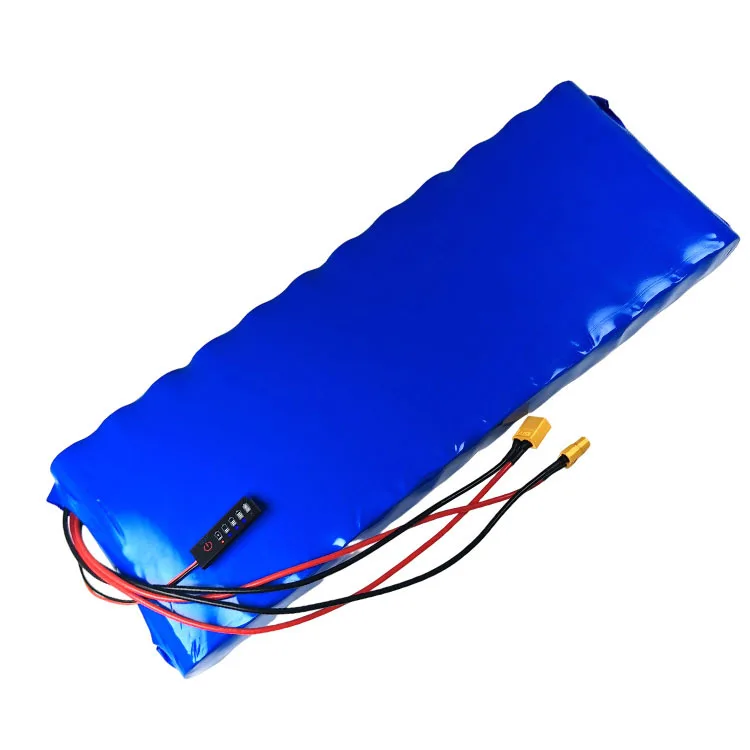
Custom 8S LFP battery packs for industrial equipment, robotics, cleaning machines, portable systems and telecom equipment.
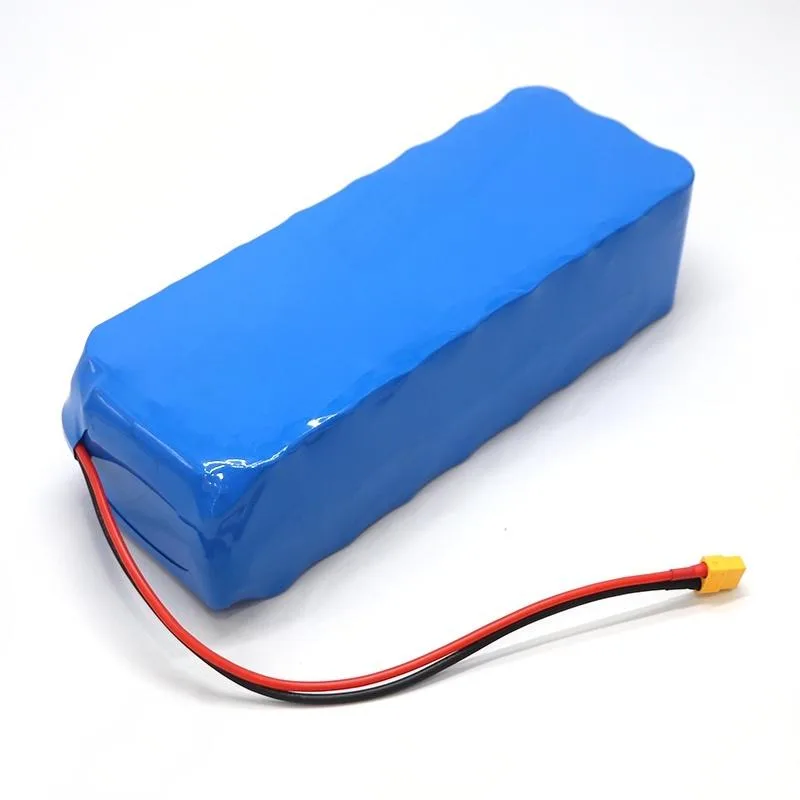
Multi-series LFP battery solutions for mobility systems, AGVs, robotics, golf carts and industrial vehicles.
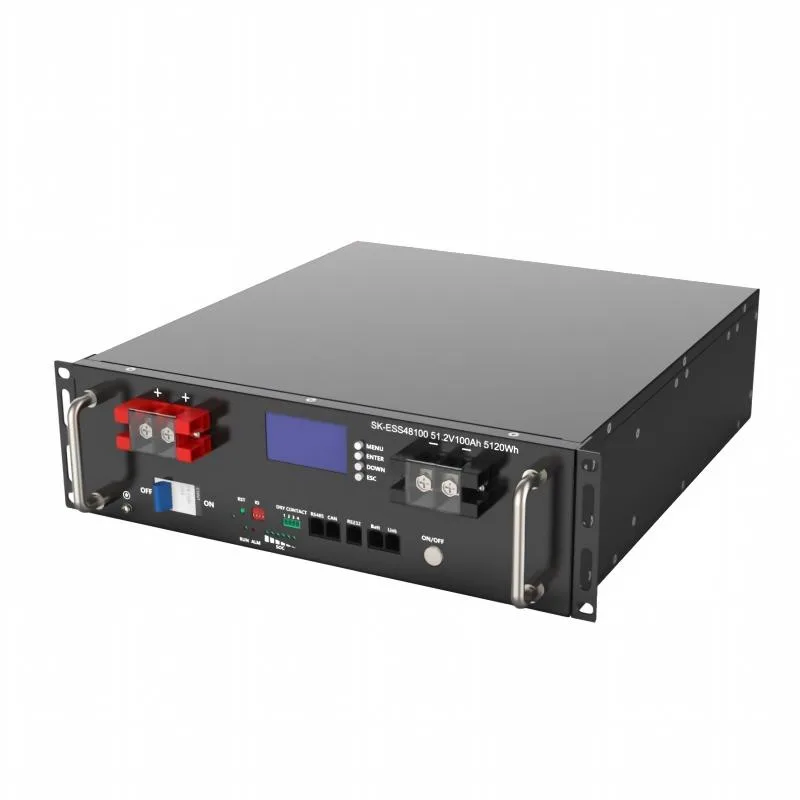
High-capacity LiFePO4 battery systems for energy storage, telecom, AGVs, industrial equipment and smart power systems.
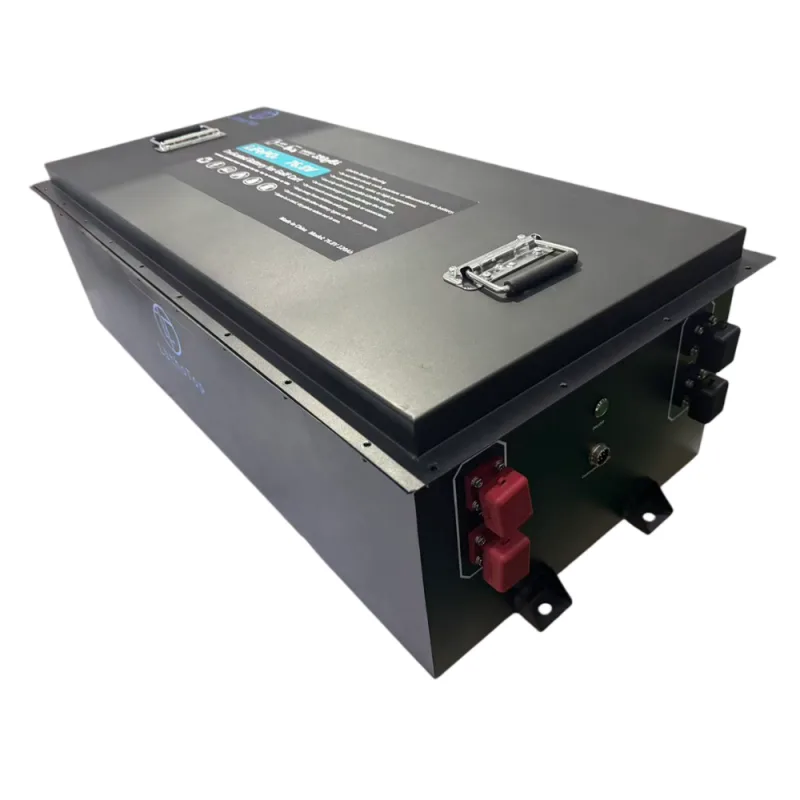
Custom batteries engineered around shift runtime, motor peak current, charging-dock strategy, CANBus communication and mechanical installation.
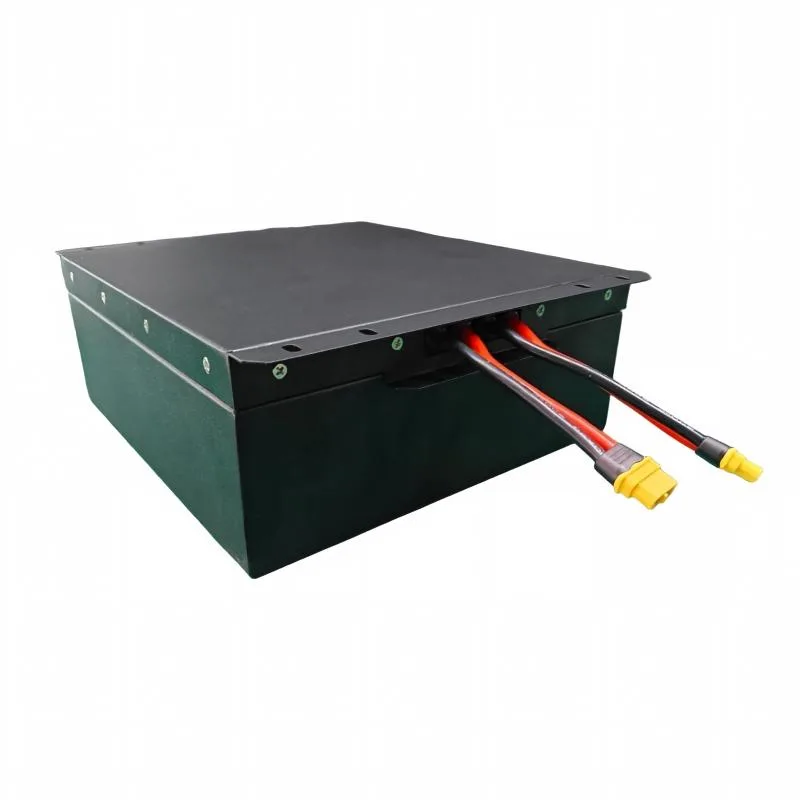
Deep-cycle lithium iron phosphate batteries with optional Bluetooth, low-temperature charging protection, heating and terminal customization.
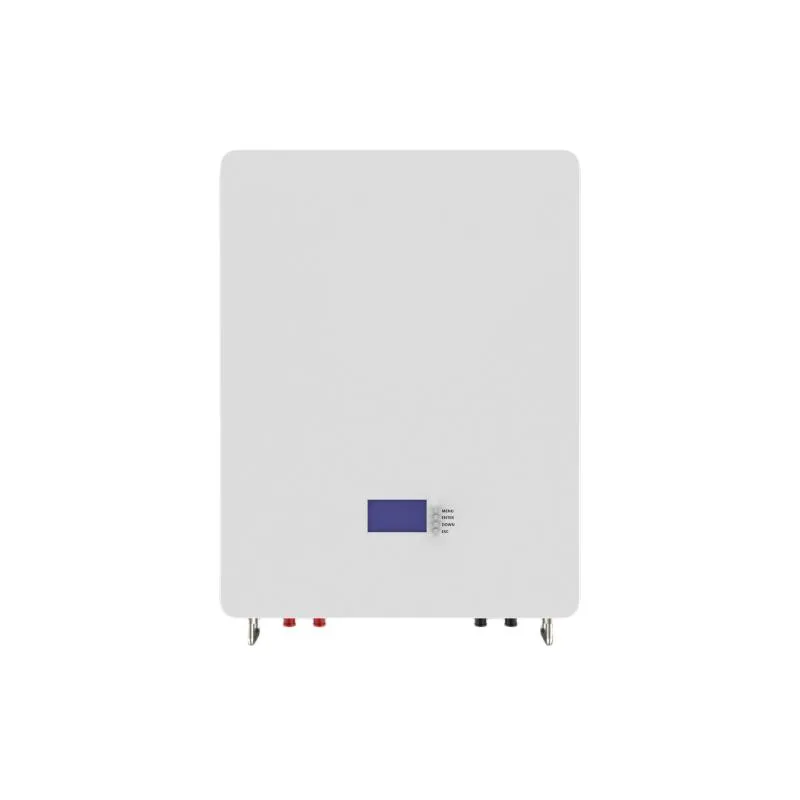
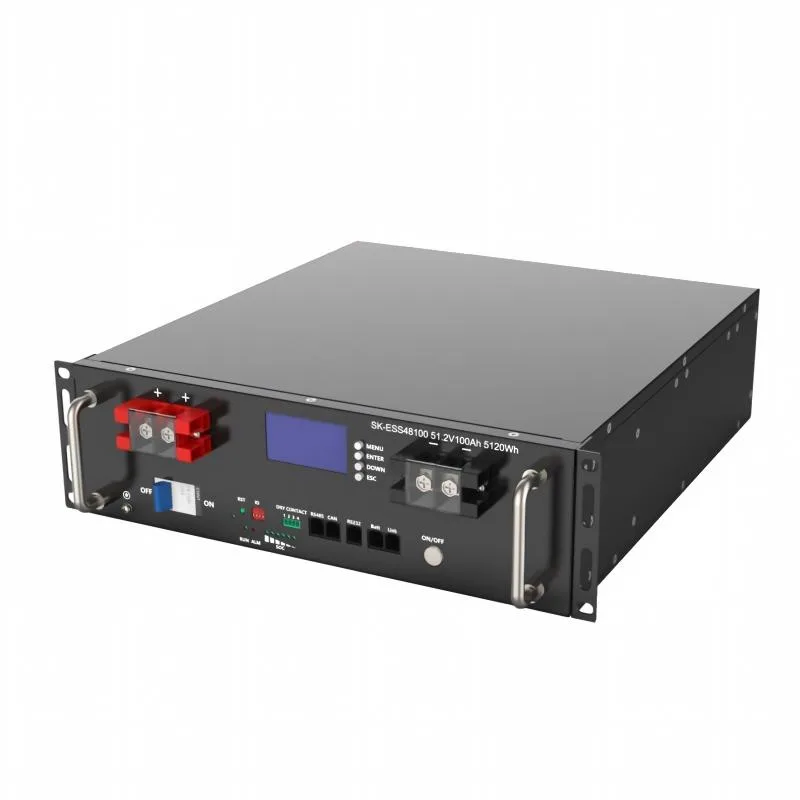
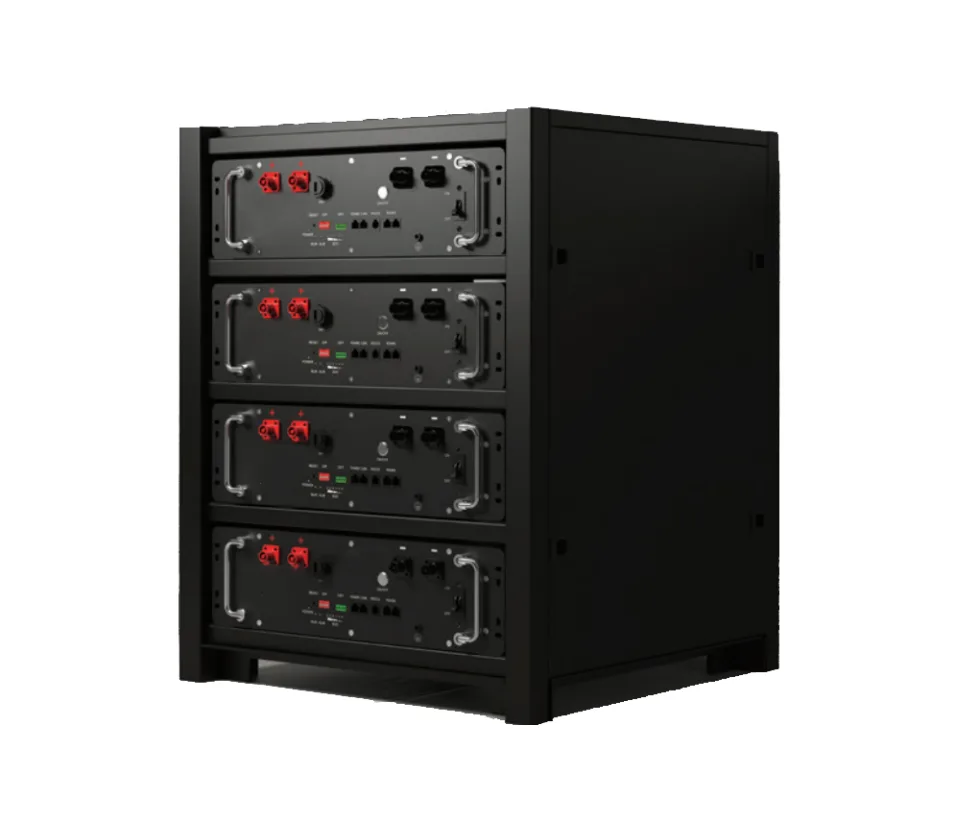
Wall-mounted, rack-mounted and cabinet LFP batteries for solar, backup power and energy storage systems with smart communication.
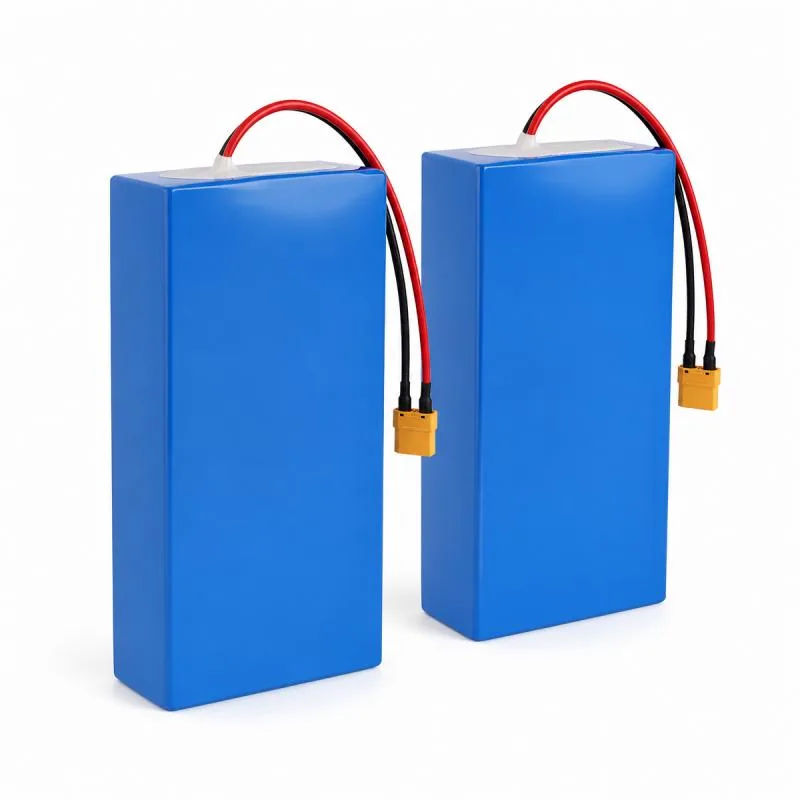
Customized LFP battery packs for industrial machines, medical robots, telecom, UPS, portable systems and professional OEM equipment.
LithoTop can engineer the electrical, mechanical and interface design around your complete product. Look at our real builds to see how we protect projects.
LiFePO4 cells are typically rated around 3.2V nominal. Series configuration increases pack voltage while parallel configuration increases capacity and current capability.
| Configuration | Nominal Voltage | Typical Full Charge* | Typical Applications |
|---|---|---|---|
| 1S | 3.2V | 3.65V | Individual LFP cell applications |
| 4S | 12.8V | 14.6V | RV, marine, backup and lead-acid replacement |
| 8S | 25.6V | 29.2V | Industrial equipment and robotics |
| 12S | 38.4V | 43.8V | Mobility and industrial systems |
| 15S | 48.0V | 54.75V | Project-specific 48V systems |
| 16S | 51.2V | 58.4V | ESS, telecom, AGV and backup power |
| 24S | 76.8V | 87.6V | Higher-voltage industrial systems |
| Custom | Project specific | Project specific | OEM battery systems |
| Communication | Typical Applications | Typical Functions |
|---|---|---|
| CANBus | AGV, robotics, inverter and industrial equipment | SOC, current, voltage, alarms and control data |
| RS485 | ESS, telecom and industrial systems | Monitoring and system communication |
| Modbus | Energy storage and industrial systems | Host, inverter and controller integration |
| UART | Embedded OEM equipment | Custom host integration |
| Bluetooth | RV, marine and portable systems | Mobile battery monitoring |
| Custom Protocol | OEM industrial systems | Project-specific commands and data definition |
| Custom Item | Available Options | Engineering Focus |
|---|---|---|
| Chemistry | LiFePO4 / LFP | Cycle life and thermal stability |
| Cell Format | Prismatic / Cylindrical | Capacity, dimensions and current |
| Nominal Voltage | 12.8V / 25.6V / 38.4V / 48V / 51.2V / Custom | Device compatibility |
| Capacity | Ah / Wh Customized | Runtime and energy requirement |
| Series / Parallel | Project Specific | Voltage, capacity and current |
| Continuous Current | Project Specific | Load and thermal design |
| Peak Current | Project Specific | Motor and startup loads |
| BMS | Hardware / Smart BMS | Protection and monitoring |
| Balancing | Passive / Active Where Applicable | Cell consistency |
| Communication | CAN / RS485 / UART / Modbus / Bluetooth | System integration |
| Heating | Optional | Cold-region charging |
| Connector | Terminal / Anderson / XT / Custom | Current and interface |
| Enclosure | PVC / Plastic / Metal / Rack / Wall | Mechanical environment |
| Protection | Fuse / Breaker / Switch | Complete battery-system safety |
| Certification | UN38.3 / IEC62133 / CE / RoHS / MSDS | Market and final battery configuration |
LithoTop can design the complete battery structure around installation space, vibration, terminals, serviceability and environmental requirements.
Compact and lightweight structure for smaller robotics and professional equipment.
Suitable for portable equipment, drop-in batteries and professional electronic products.
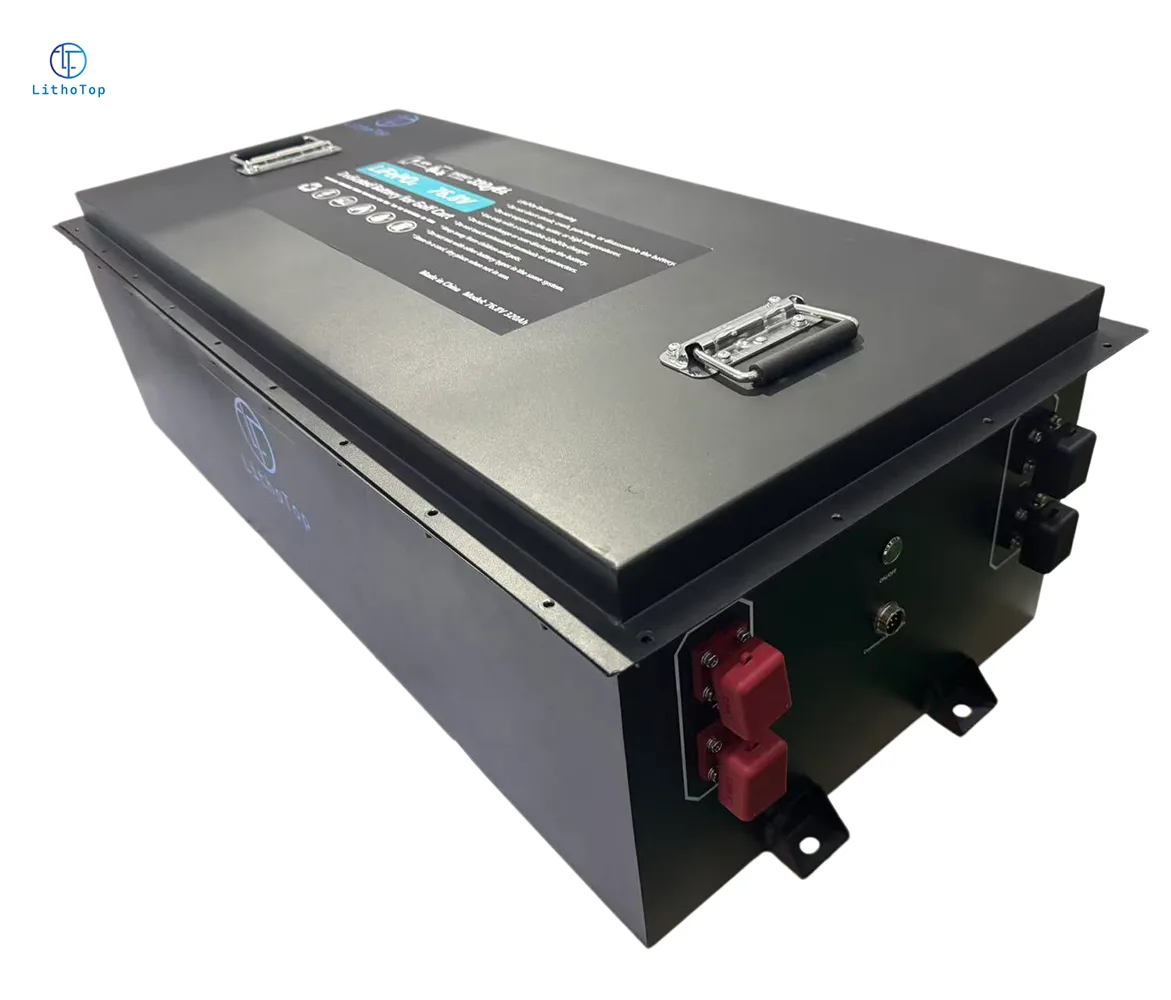
Rugged housing for AGVs, industrial equipment, marine and demanding battery systems.
Mechanical architectures for solar and energy-storage batteries.
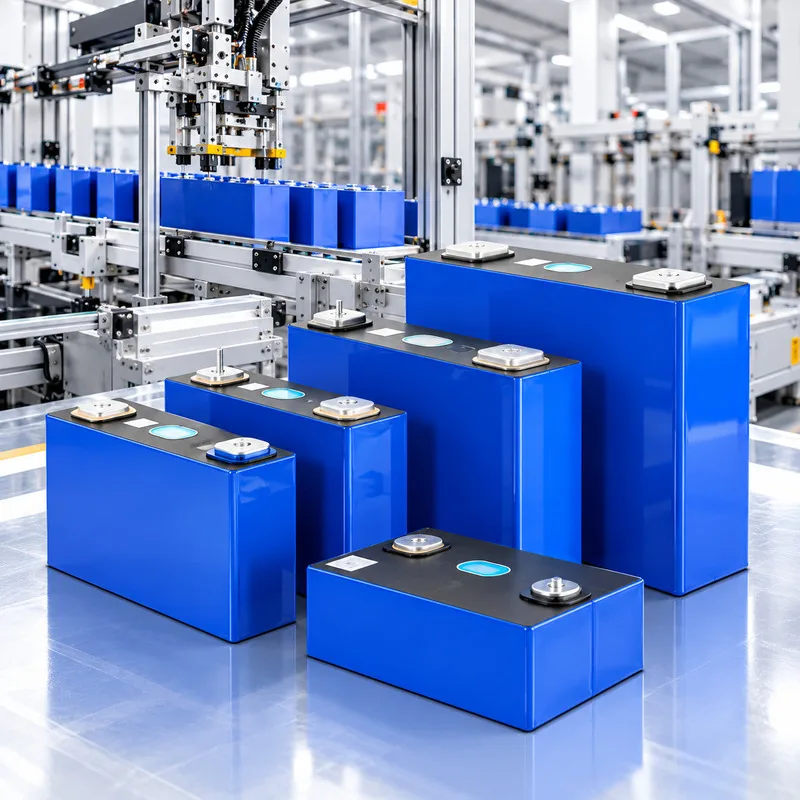
Commonly used for higher-capacity battery systems such as energy storage, AGV, industrial vehicles, RV and marine applications.

Suitable for smaller industrial batteries, modular architectures where cylindrical cell packaging offers mechanical benefits.
Battery-system quality depends on cell consistency, electrical connections, BMS integration, insulation, mechanical assembly and final validation.
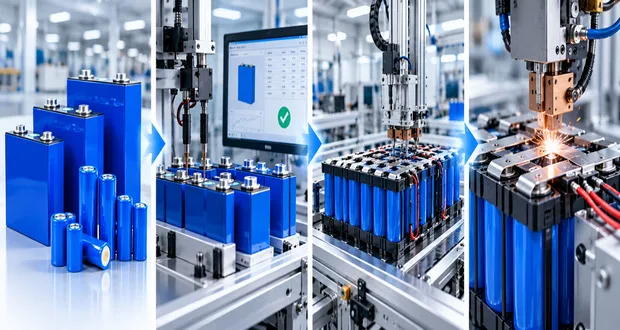
Select cell format, capacity and current capability for the application.
Check voltage, internal resistance and project-specific cell parameters.
Build the required battery voltage and capacity architecture.
Select the connection method according to cell type and current requirement.
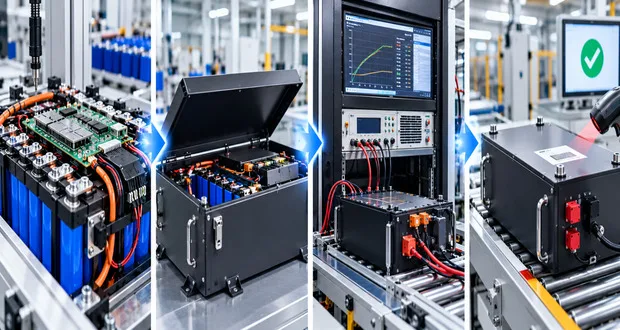
Install the protection, balancing and communication system.
Complete the mechanical, electrical and environmental protection structure.
Verify capacity, current, protection and communication functions.
Inspect terminals, communication, label, output and final pack condition.
As a professional LiFePO4 battery manufacturer in China, LithoTop provides factory-direct OEM and ODM LiFePO4 battery pack solutions for industrial equipment, AGVs, robotics, energy storage, marine systems, and other demanding applications.
Capacity alone does not define power, BMS current, or usable battery energy.
Advice: Evaluate voltage, Wh, continuous current, and peak current together.
A BMS selected around average current may trip during startup or peak load.
Advice: Provide continuous current, peak current, and peak duration.
AGVs, robots, and mobility systems can draw large transient loads.
Advice: Include startup, acceleration, and regenerative conditions.
Incorrect charge voltage or current can conflict with the selected cell and BMS.
Advice: Match charger voltage and current to the final battery architecture.
Cold-region batteries may require charge lockout or integrated heating.
Advice: Define the minimum charging temperature during project review.
CAN or RS485 hardware alone does not guarantee system compatibility.
Advice: Confirm protocol definitions and the host-device handshake.
The mechanical structure should consider cell movement and compression requirements.
Advice: Design the enclosure around the actual cell and module architecture.
High-current systems require appropriate conductor cross-section and connection design.
Advice: Select busbars, cables, and terminals according to the actual current.
We do not buy reviews. We build trust through real hardware success. Here is how our engineering standards saved projects from total failure in the field.
| Requirement | 24V-class battery for automated warehouse vehicles. |
|---|---|
| Challenge | Long daily shifts with short motor-current peaks and automated charging. |
| Solution | Custom LiFePO4 pack with smart CAN BMS and charging-dock integration. |
| Validation | Runtime, peak-current, communication and charger handshake testing. |
| Requirement | Compact deep-cycle battery for onboard electronic equipment. |
|---|---|
| Challenge | Dimension limited battery compartment, high load and winter charging conditions. |
| Solution | Custom enclosure, Bluetooth BMS and low-temperature charge protection. |
| Validation | Load testing, terminal-temperature check and enclosure fit verification. |
| Requirement | 48V-class backup battery with remote system monitoring. |
|---|---|
| Challenge | High ambient temperature and integration with telecom control equipment. |
| Solution | 51.2V LiFePO4 rack battery with RS485 and custom alarm logic. |
| Validation | Communication, charge/discharge and backup-runtime testing. |
Have a Question?
Get clear technical answers to stop production risks and protect your project.
A custom LiFePO4 battery pack is designed around the equipment’s required voltage, capacity, continuous current, peak current, installation space, charging method, communication interface, operating environment and certification market. It may include prismatic or cylindrical LFP cells, a BMS, enclosure, connectors, fuses, switches, heating and communication functions.
LiFePO4 is often selected for its long cycle life, strong thermal stability, flat discharge voltage and suitability for frequent deep-cycle operation. NMC generally offers higher energy density and may be preferable where minimum weight and volume are the main priorities. The correct chemistry depends on the application, current, runtime, size, weight and lifecycle requirements.
A LiFePO4 cell typically has a 3.2V nominal voltage and a typical full-charge voltage of 3.65V. The exact charging, discharge cut-off and protection thresholds must follow the selected cell specification.
A 12V-class LiFePO4 battery usually connects four 3.2V cells in series. This creates a 4S configuration with a nominal voltage of 12.8V and a typical full-charge voltage of 14.6V.
Many 48V-class LiFePO4 systems use sixteen 3.2V cells in series. This 16S configuration provides 51.2V nominal voltage and typically reaches 58.4V at full charge. Some projects use a different series configuration, so controller and charger compatibility must be confirmed.
Yes. LithoTop can develop 12V-, 24V-, 36V- and 48V-class LiFePO4 battery packs, including common nominal voltages such as 12.8V, 25.6V, 38.4V, 48V and 51.2V. The final series configuration, charging voltage and BMS thresholds are determined by the selected cells and equipment architecture.
Yes. A smart BMS can monitor cell voltage, pack voltage, current, temperature, state of charge, alarms and operating status. Depending on the project, it may also provide balancing, data logging, charge/discharge control and communication with the host equipment.
Yes. LithoTop can evaluate CANBus, RS485, UART, SMBus, Modbus and customized communication options. Hardware compatibility alone is not sufficient; the protocol document, message definitions, baud rate, addresses, commands and host-device handshake must be confirmed during development.
Yes. Bluetooth monitoring can be integrated into compatible smart BMS solutions for viewing voltage, current, state of charge, temperature, cycle data and alarms on a mobile device. Available functions depend on the selected BMS and application requirements.
Yes. An integrated heating system can be evaluated for batteries used in cold regions, especially where charging may occur below the permitted cell temperature. The design must define heater power, activation temperature, energy source, insulation, temperature sensors and BMS control logic.
LiFePO4 can replace lead-acid in many RV, marine, backup, mobility and industrial applications, but it is not always a direct drop-in replacement. The charger, load voltage range, maximum current, dimensions, terminals, low-temperature behavior and system protection must be checked before replacement.
LiFePO4 batteries are known for long cycle life, but the actual result depends on the selected cell, depth of discharge, charge and discharge rate, temperature, compression, balancing and end-of-life capacity criterion. The project cycle-life target should therefore be confirmed against the specific cell data and operating profile.
Prismatic cells provide large individual capacity and can reduce the number of cells in high-capacity systems, but require suitable busbars, insulation and compression structures. Cylindrical cells support modular series-parallel layouts and compact pack shapes, but require more cell connections, holders, welding and cell matching.
Yes. LithoTop can customize PVC wrapping, plastic housings, metal enclosures, rack-mounted structures and wall-mounted housings. Terminal, Anderson, XT-series and project-specific connectors can be evaluated according to current, installation, environmental and service requirements.
AGVs often benefit from a LiFePO4 battery with long cycle life, sufficient motor-starting current, smart BMS communication and compatibility with automatic charging docks. The design should consider daily operating hours, peak current, charging windows, CAN communication, dimensions, weight and required service life.
Parallel operation may be possible when the batteries are specifically designed and validated for it. Packs should have compatible voltage, capacity, state of charge, BMS logic, wiring, protection and current-sharing behavior. Unapproved batteries should not be connected in parallel without engineering review.
Use a charger designed for the final LiFePO4 series configuration, cell specification and BMS. Its output voltage, charging current, termination behavior, communication and temperature controls must match the complete battery architecture. A lead-acid charger should only be used when its charging profile has been confirmed as compatible.
Cell matching may include verification of model, production batch, open-circuit voltage, internal resistance, capacity and charge/ discharge behavior. The matching criteria depend on the pack architecture, current level, balancing strategy and required consistency.
Depending on the final battery design and target market, LiFePO4 products may support testing or documentation such as UN38.3, MSDS, IEC 62133, CE and RoHS. Certification applicability, sample requirements, cost and schedule must be evaluated for the final cell, BMS, enclosure and pack configuration.
Please provide nominal voltage, required capacity or energy, continuous and peak current, peak duration, available dimensions, maximum weight, application, charging method, connector, enclosure, operating temperature, communication protocol, heating requirement, certification market, estimated quantity and expected project schedule. Load data and mechanical drawings are also helpful.
Response within 12 hours. Save up to 30% on bulk orders.
🔒 100% Privacy. No Hidden Costs. Free Sample Options.

LithoTop | Battery Expert
Online
Hi! Welcome to LithoTop.
Please send your specs for an instant solution:
1. Dimensions (T*W*L)
2. Voltage & Capacity
3. Peak Current
I'm online to help you now!
— Caroline | LithoTop
WhatsApp Us
Online | Privacy policy
WhatsApp us
Response within 12 hours. Save up to 30% on bulk orders.
🔒 100% Privacy. No Hidden Costs. Free Sample Options.