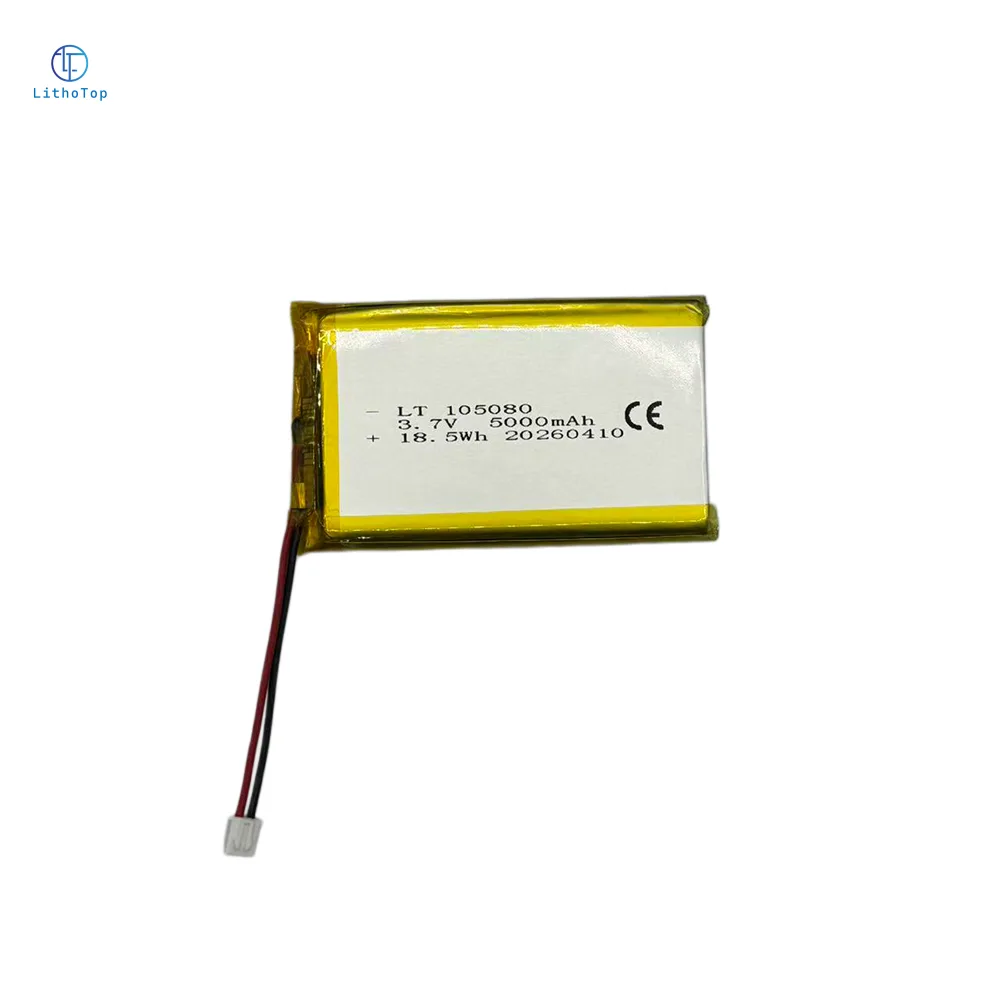
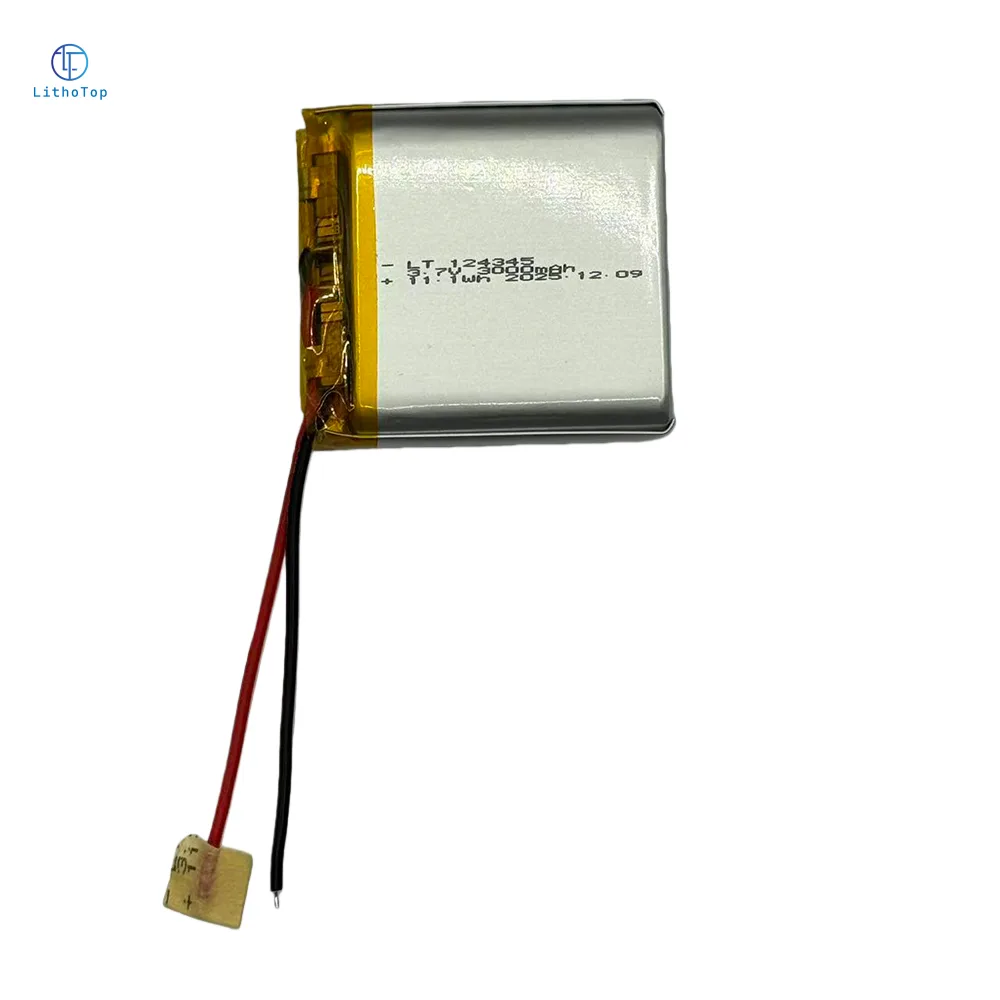
Mistake 01
Selecting a Battery by Minimum Temperature Alone
A temperature number does not describe usable capacity or current capability.
LithoTop Advice:
Confirm discharge rate, capacity retention and cut-off voltage at the target temperature.
Stop risking your expensive UAV payloads.
We audit internal resistance and calibrate sub-zero electrolytes to eliminate sudden power loss in extreme cold environments.
✅ -40°C Continuous Discharge: Specialized electrolytes prevent sub-zero freezing.
✅ 70% Capacity Retention: Optimized SEI layer extends flight time.
✅ Zero Lithium Plating: Specialized electrolyte prevents cold damage.
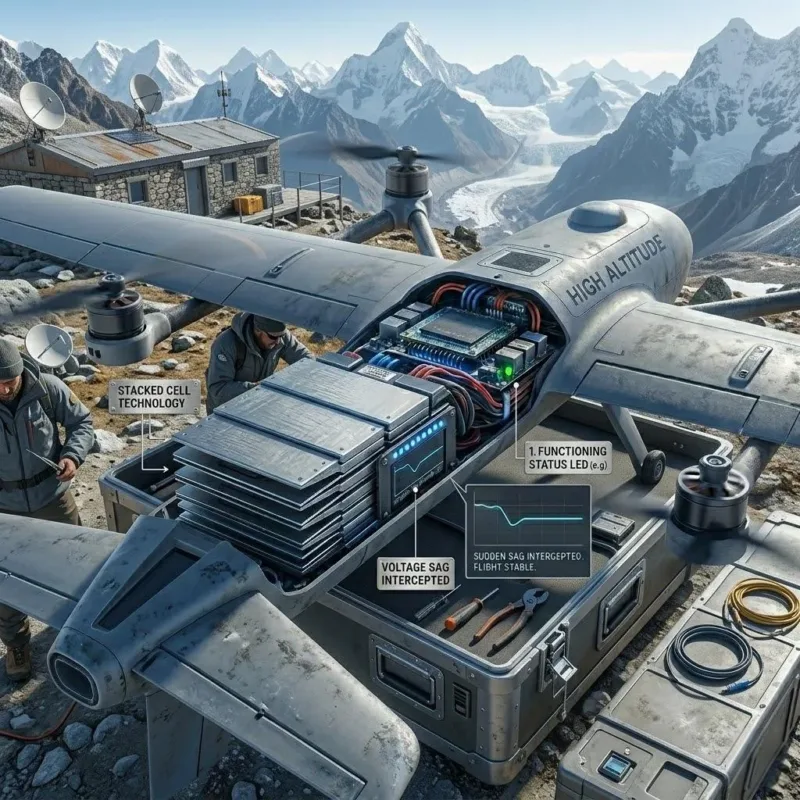
Stacked cell technology intercepts sudden voltage sag to prevent expensive mid-air crashes.
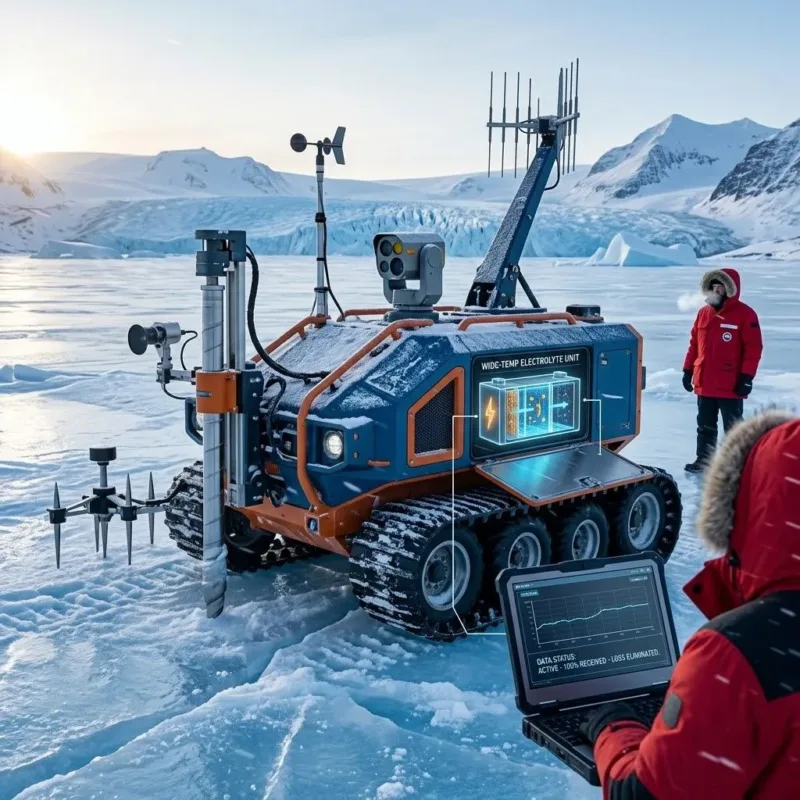
Wide-temp electrolytes keep remote sensors active to eliminate critical mission data loss.
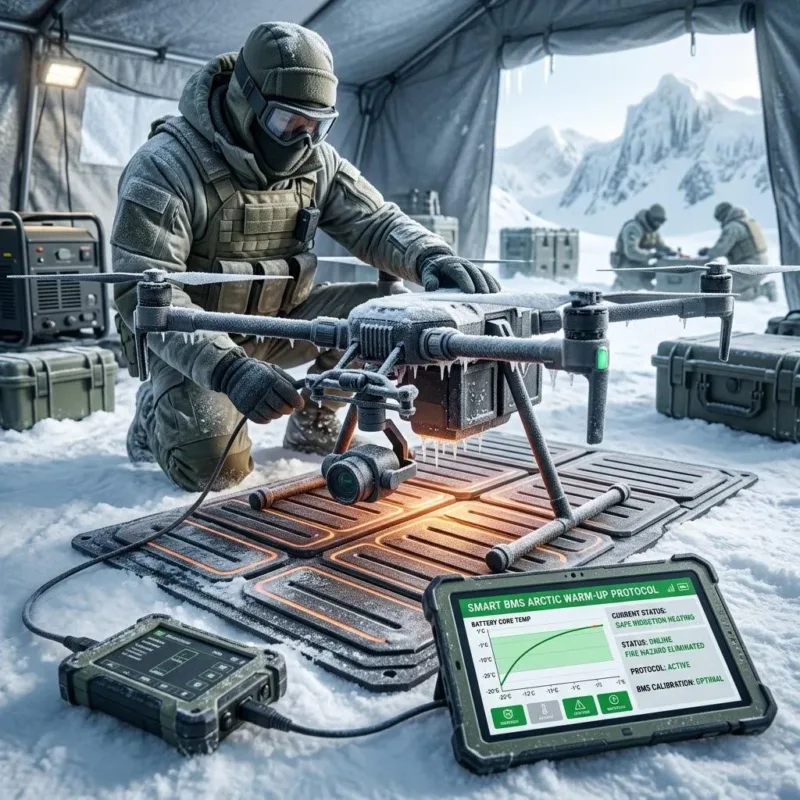
Smart BMS protocols eliminate fire hazards when warming up frozen tactical equipment.
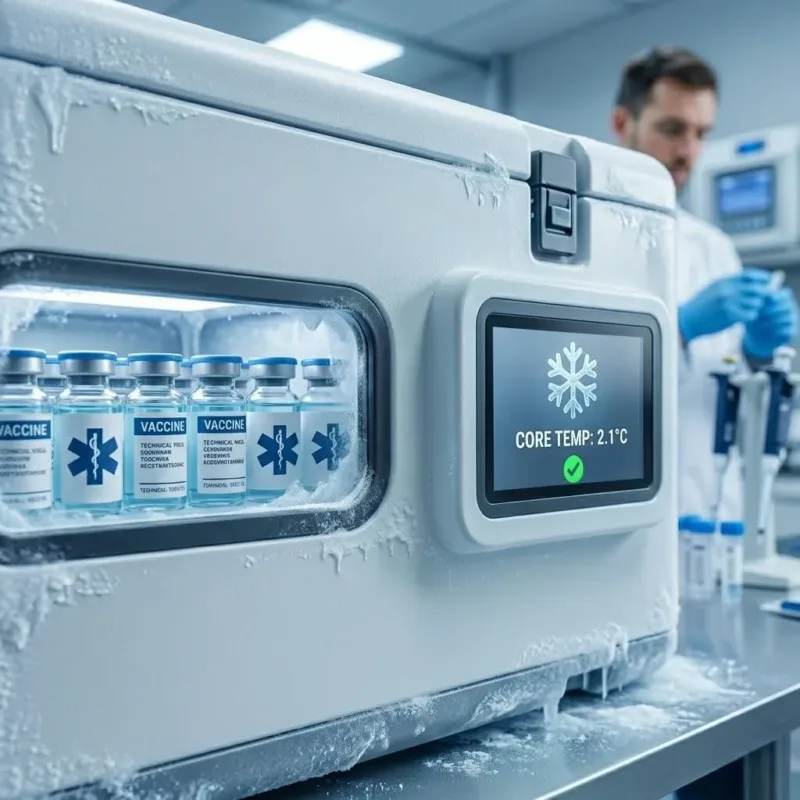
Specialized chemical formulations prevent sensor shutdowns to protect temperature-sensitive medical cargo.
We turn complex power needs into safe and working hardware. Look at our real builds to see how we protect projects from failure with smart engineering.
Technical standards for sub-zero power integration. From precision cell profiles to stable discharge performance, industrial specifications ensure the reliability required for mission-critical hardware.
| Technical Feature | Production Range | Industry Limit | Industrial Solution |
|---|---|---|---|
| Operating Temperature | -50°C to +85°C | -20°C to +45°C | Customized electrolyte chemistry prevents internal freezing at -40°C and eliminates gas buildup/swelling at +85°C. |
| Cell Profile | 0.4mm to 12.0mm | 3.0mm to 10.0mm | Ultra-thin stacking technology enables power integration into 0.4mm spaces, ideal for smart patches and compact wearables. |
| Discharge Stability | Constant 1C Output | Voltage sag below 0°C | Optimized SEI layer ensures a steady 1C discharge in extreme environments, intercepting sudden voltage drops and mission failure. |
| Energy Efficiency | Up to 210 Wh/kg | 150 to 170 Wh/kg | High-voltage LCO formulas provide up to 20% more runtime, significantly reducing total device weight for handheld hardware. |
Integration of high-tier Seiko-brand hardware protection ICs for all LiPo packs. This eliminates the complexity and failure risks associated with software/communication boards.
Procurement Advantage: Superior reliability over generic protection boards, reducing field recalls and warranty costs.
Industrial-grade conformal coating applied to internal circuitry. This prevents moisture condensation and short circuits during rapid transitions between extreme cold and indoor warmth.
Procurement Advantage: Verified stability for outdoor IoT and tactical gear used in fluctuating climates.
Bespoke manufacturing of curved, round, and ultra-thin cells. Batteries are molded to fit the device housing, preventing mechanical stress on seals and maximizing internal space.
Procurement Advantage: Precise fit based on CAD drawings, enabling sleeker industrial designs without power compromises.
We intercept structural failure through material calibration and process integrity. Every unit survives extreme environments to protect your reputation and project budget.
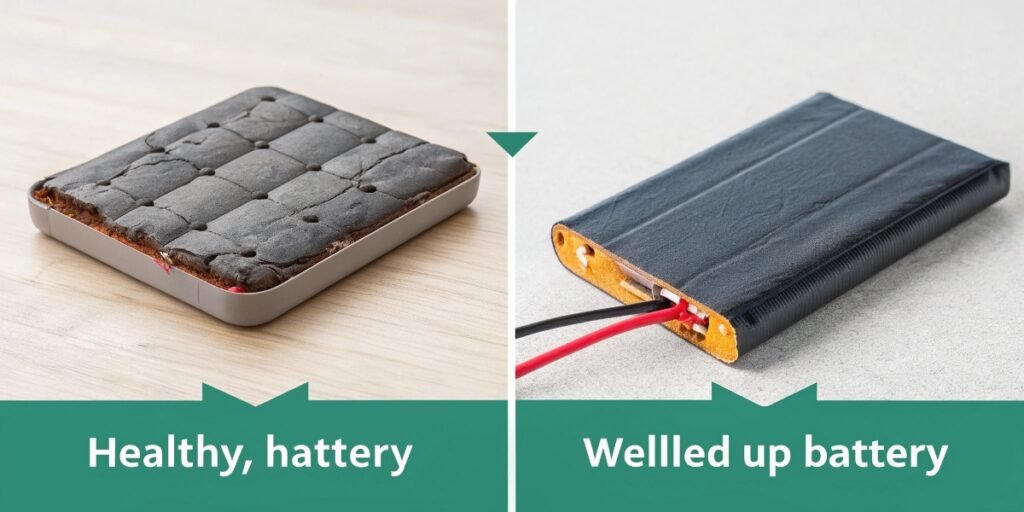
We enforce a 1.5mm expansion tolerance to prevent casing ruptures during extreme thermal shock.
We modify electrolyte viscosity to intercept sudden power loss and stop mid-air UAV crashes.
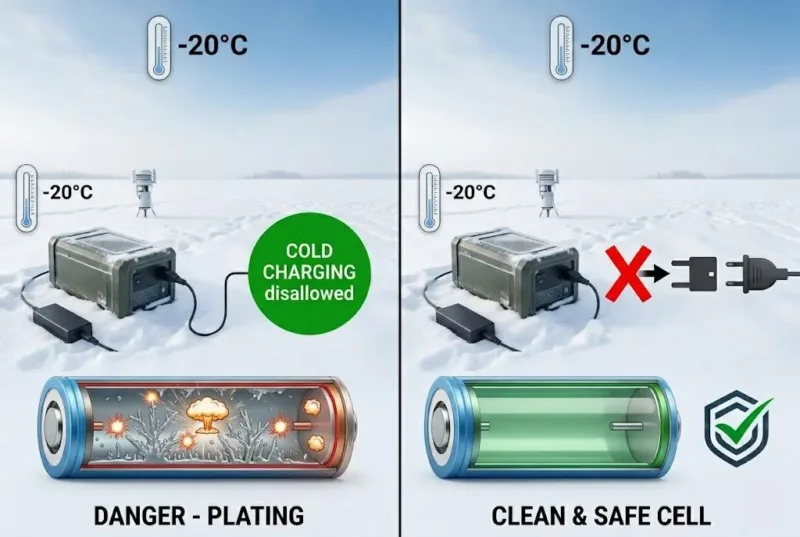
Smart BMS protocols block cold-charging to stop lithium plating and prevent indoor explosion risks.
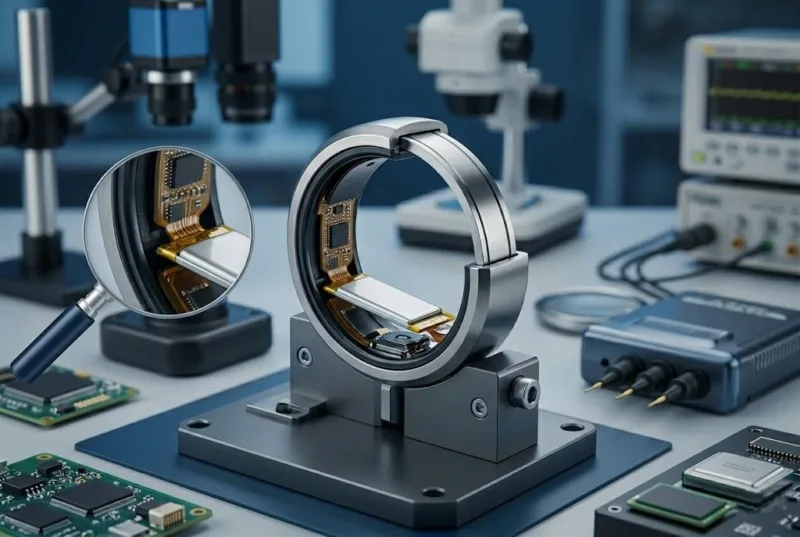
Max Burst Power. Engineered for -50°C cold startups.
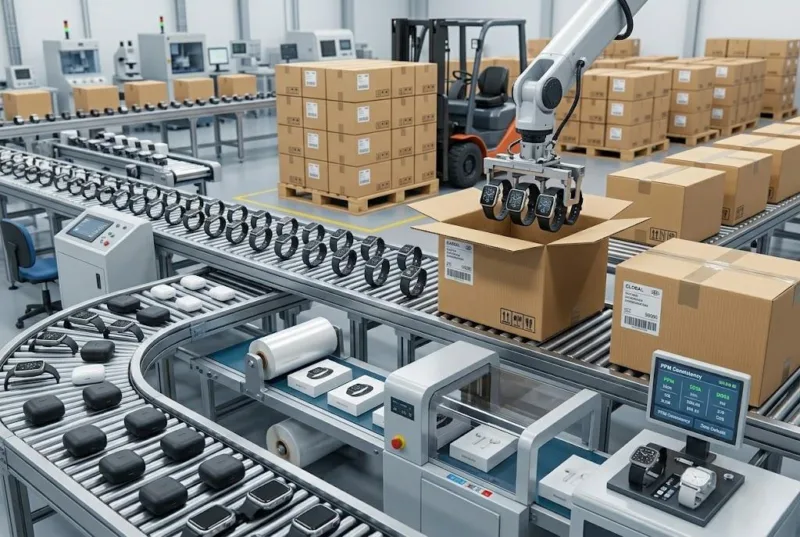
Steady Energy Flow. Built for deep freeze tracking.
atch your cell chemistry and safety logic to the exact thermal stress your project faces in the field to intercept catastrophic failures before they compromise your professional reputation.
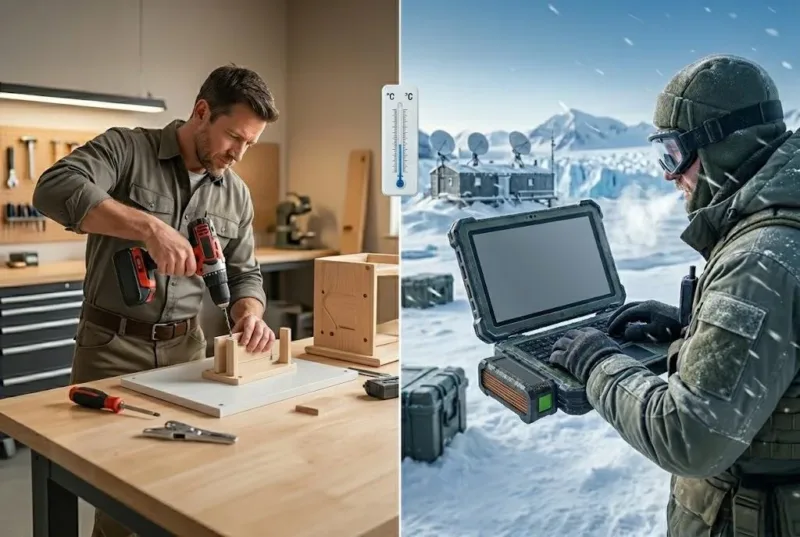
Seiko hardware protection prevents sub-zero charging damage to preserve long-term cell integrity.
We use decades of engineering experience to intercept hidden physical risks, protecting your project from costly failures and ensuring your professional reputation remains untouched on delivery day.
A temperature number does not describe usable capacity or current capability.
Cold discharge and cold charging are different electrochemical requirements.
A battery may have sufficient nominal capacity but still fall below the device shut-down voltage.
Motors, UAV propulsion and wireless transmitters can require much higher current than the average load.
A battery that has just entered a cold chamber may not represent a fully cold-soaked device.
Wire flexibility, insulation, connector materials and condensation may affect the complete battery system.
These first person stories come from experts who refuse to gamble with quality. We provide the technical certainty you need to protect your career and your brand.


Have a Question?
Get clear technical answers to stop production risks and protect your project.
Send us your minimum operating temperature, cold-soak duration, discharge current, peak current, device cut-off voltage, battery dimensions, voltage and capacity.
LithoTop engineers will evaluate a suitable low temperature LiPo battery platform for your device.
Response within 12 hours. Save up to 30% on bulk orders.
🔒 100% Privacy. No Hidden Costs. Free Sample Options.

LithoTop | Battery Expert
Online
Hi! Welcome to LithoTop.
Please send your specs for an instant solution:
1. Dimensions (T*W*L)
2. Voltage & Capacity
3. Peak Current
I'm online to help you now!
— Caroline | LithoTop
WhatsApp Us
Online | Privacy policy
WhatsApp us
Response within 12 hours. Save up to 30% on bulk orders.
🔒 100% Privacy. No Hidden Costs. Free Sample Options.