I often meet teams after swelling complaints appear. The product looks finished, the launch is close, and one small battery problem becomes a brand problem.
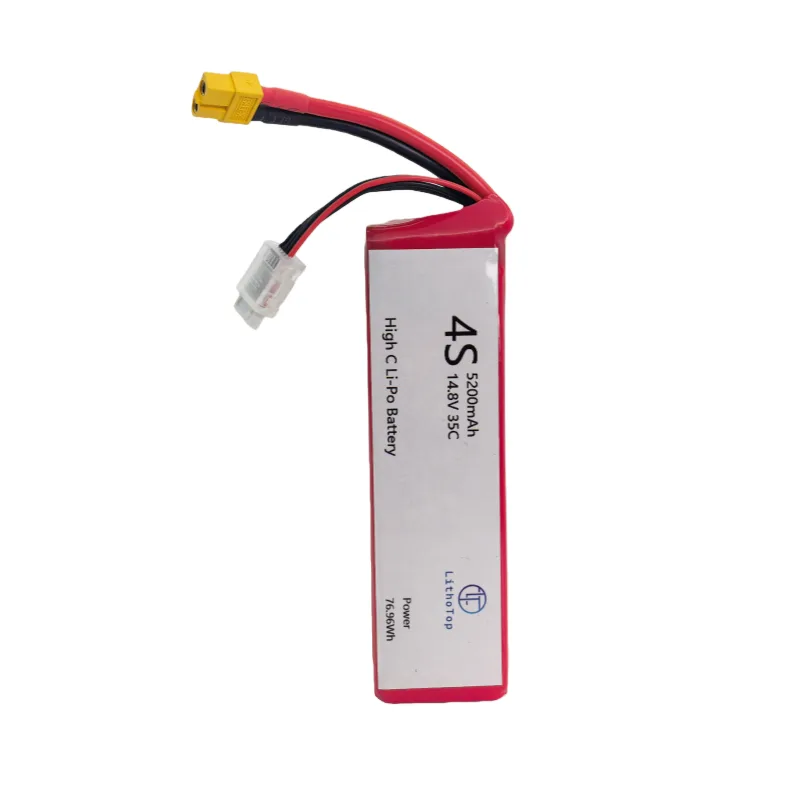
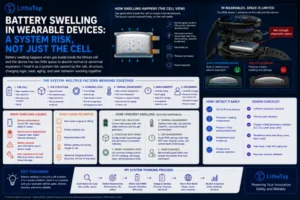
Battery swelling happens in wearable devices when gas builds inside the lithium cell and the device has too little space to absorb normal or abnormal expansion.[^1] I treat it as a system risk caused by the cell, structure, charging logic, heat, aging, and user behavior working together.
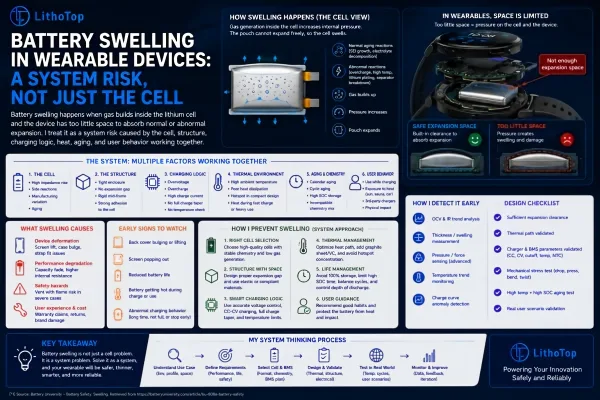
I have seen many customers first ask one direct question: “Is the battery bad?” I understand why they ask this. A swollen battery is visible. A swollen battery also feels like a supplier issue. But in wearable projects, I usually ask a better question first. Did the battery, protection board, charger, enclosure, and real use environment get designed as one system? If the answer is no, the swelling risk may already be built into the product before mass production starts.
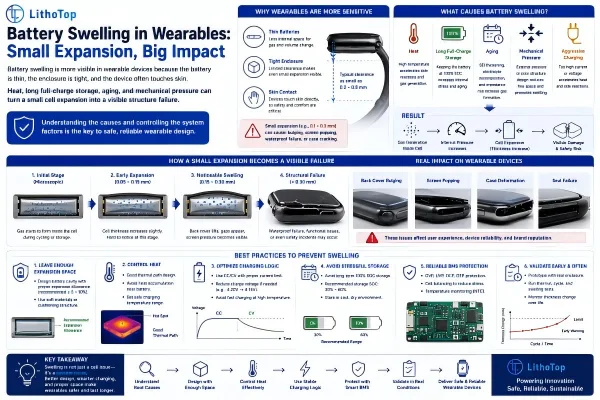
Why Is Swelling More Visible in Wearable Devices?
I see swelling become a serious issue in wearables because the product has almost no empty space. A small expansion can push the shell, screen, or cover.
Battery swelling is more visible in wearable devices because the battery is thin, the enclosure is tight, and the device often touches skin. Heat, long full-charge storage, aging, and mechanical pressure can turn a small cell expansion into a visible structure failure.[^2]
I Do Not Treat Swelling as Only a Cell Problem
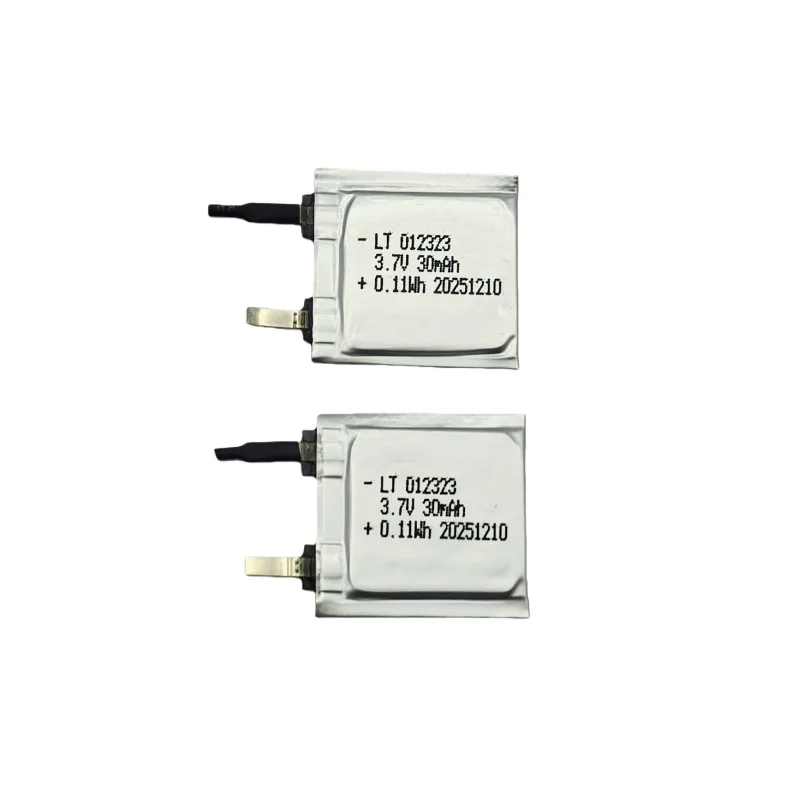
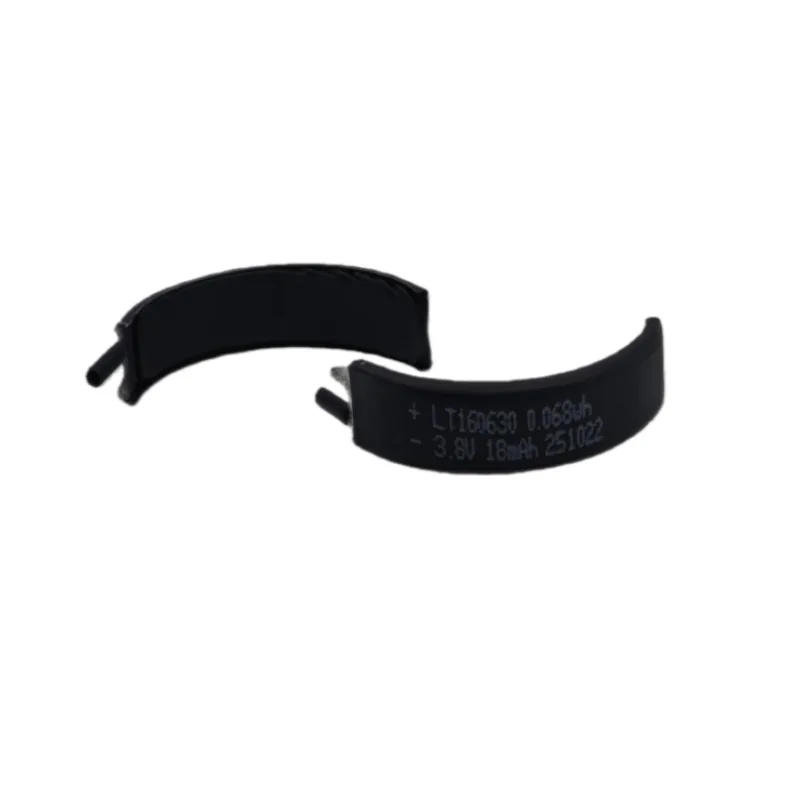
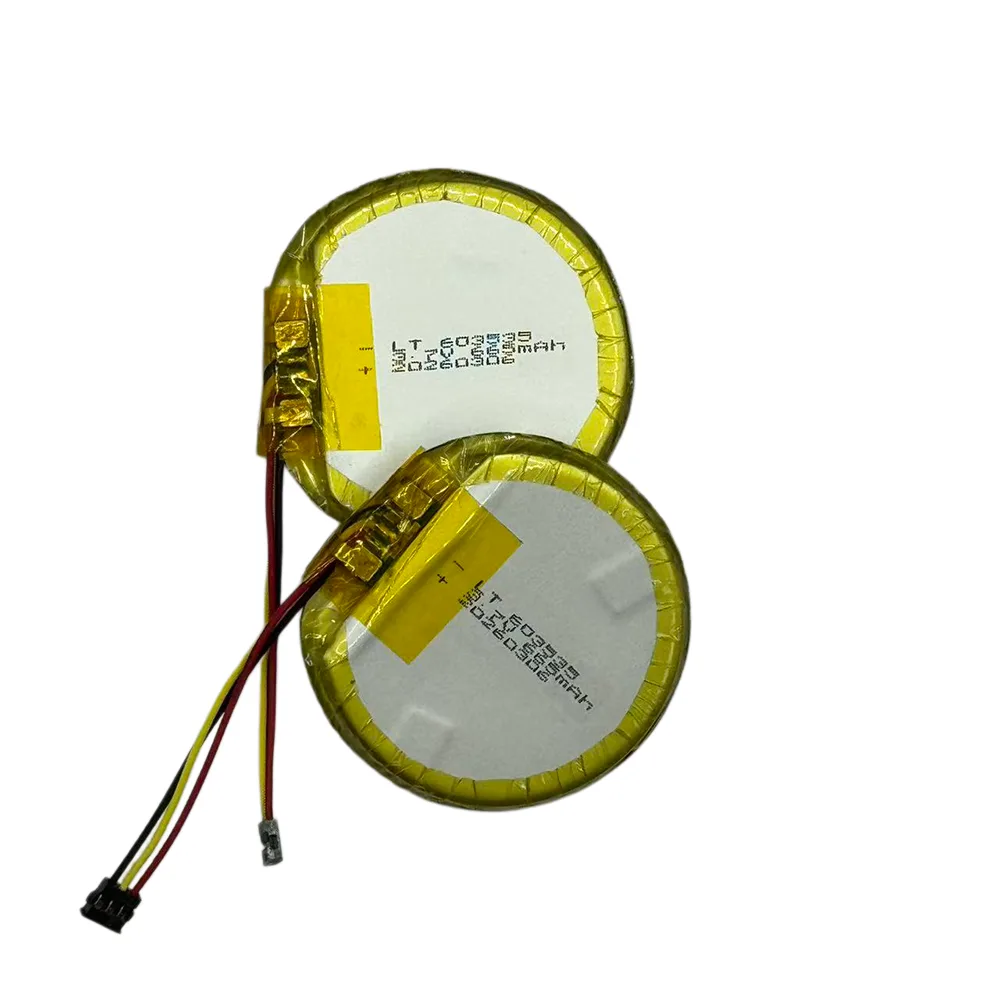
In my daily project discussions at LithoTop, I hear many teams describe swelling as a “battery quality” issue. I do not reject that possibility. Cell quality matters. Process control matters. Incoming inspection matters. But I do not stop there. Wearable devices bring special pressure to the battery. The cell may be ultra-thin. The shape may be curved or custom. The shell may leave almost no gap. The device may stay on a wrist, near skin, or inside a small case. The battery may stay at high voltage for weeks during storage. These points can reduce the safety margin even when the cell itself is selected with care.
| Wearable constraint | What I often see in projects | Why it matters for swelling |
|---|---|---|
| Ultra-thin battery | The customer wants more capacity in less thickness | The cell has less room for expansion tolerance |
| Tight enclosure | The shell presses close to the pouch cell | Small swelling becomes visible very fast |
| Skin contact | The device works near body heat | Heat can speed up aging and gas generation |
| Long storage | Products ship and sit at full charge | High-voltage storage can increase stress on the cell |
| Small charger case | Charging happens in a closed small space | Heat may build up during charging |
I Look at Gas Generation and Space Allowance Together
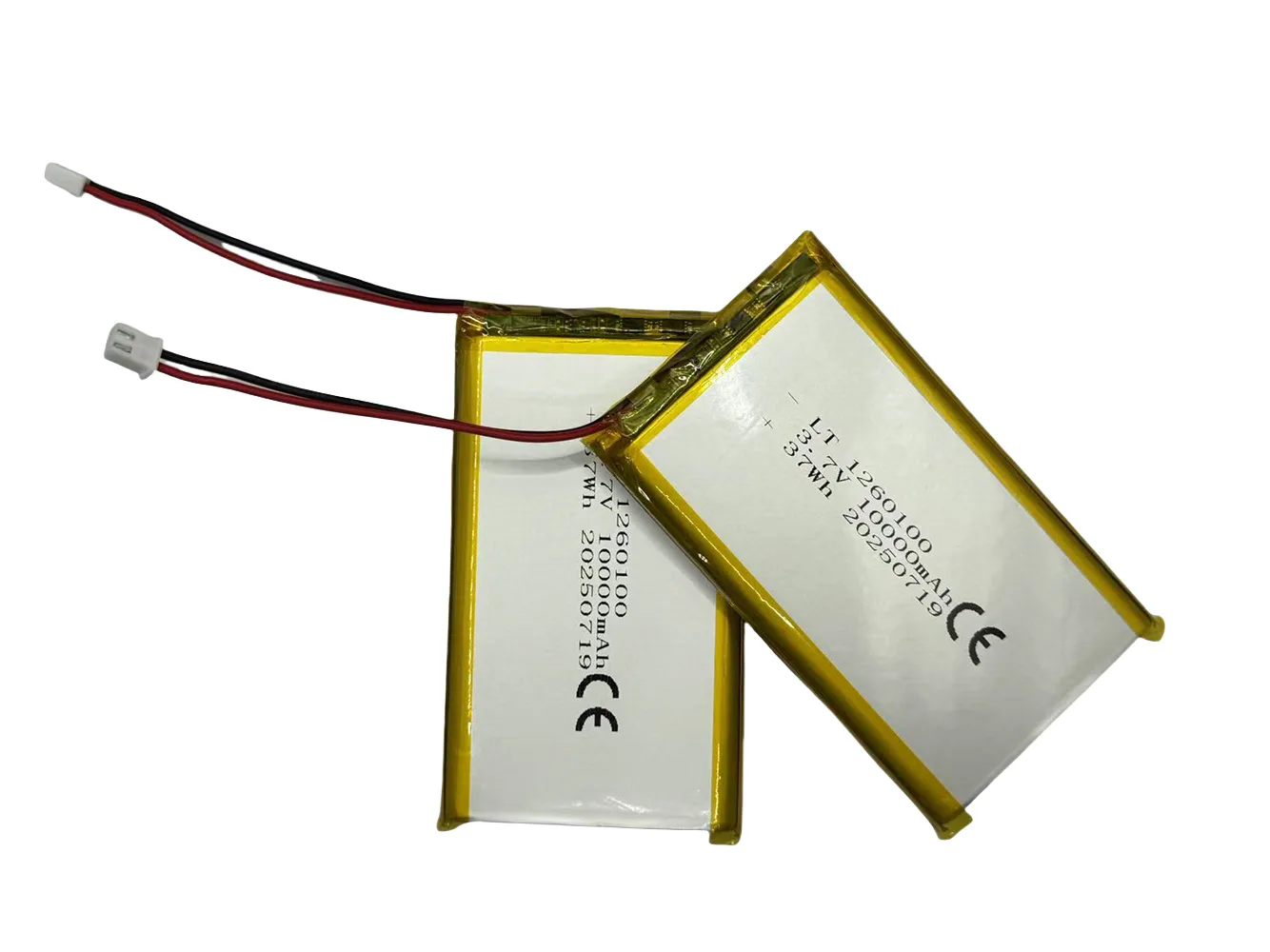
Lithium polymer pouch cells can expand during life.[^3] Some expansion can be part of normal aging. The problem appears when gas generation is higher than expected, or when the device has no space to accept even a small change. In wearables, both problems often happen together. A project manager may push for a thinner product. A mechanical engineer may reduce the battery gap to save 0.2 mm. A marketing team may ask for longer use time. A charger may hold the cell near full voltage for a long time. Each choice looks reasonable alone. Together, these choices narrow the safety margin.
I Check the Real Use Case, Not Only the Drawing
I always ask how the user will charge and store the product. A wearable may be used outdoors, in a gym, in a car, or near warm skin for many hours. Some users charge every night. Some users leave the product fully charged in a drawer. Some products are shipped across hot areas. I cannot say that one condition always causes swelling. That would be too simple. But I can say that the use environment changes the risk. A battery design that looks acceptable in a drawing may need a different review when the device will face heat, pressure, and long full-charge storage.
For this reason, I usually suggest an early review of the battery space, maximum cell thickness, swelling allowance, charge voltage, discharge cut-off, protection board setting, and charger behavior. This is also why our custom wearable battery solutions are not only about cell size. I treat the battery as part of the whole product.
Which Design Trade-Offs Increase Swelling Risk?
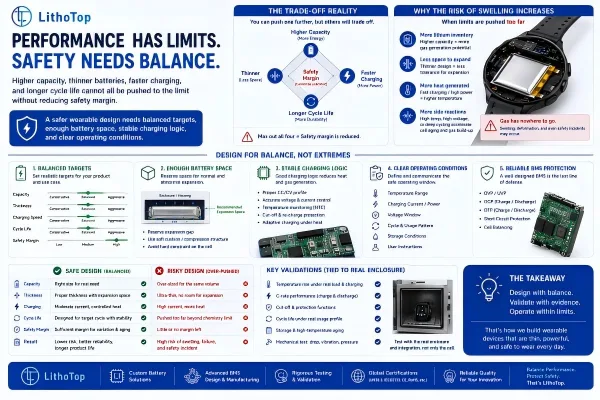
I see swelling risk rise when teams try to maximize capacity, thinness, fast charging, and long service life at the same time. These goals fight each other.
Higher capacity, thinner batteries, faster charging, and longer cycle life cannot all be pushed to the limit without reducing safety margin. A safer wearable design needs balanced targets, enough battery space, stable charging logic, and clear operating conditions.
I See Capacity Pressure in Almost Every Wearable Project
Many wearable brands ask me for the highest possible capacity in the smallest possible battery. I understand the reason. A longer working time is easy to sell. A thinner product is also easy to sell. But the battery does not only need volume for energy. It also needs space for safe operation, production tolerance, protection parts, adhesive, lead wire routing, and future expansion. If the design team fills the whole cavity with battery, the product may pass early assembly. But the same product may fail after storage, cycling, or heat exposure.
| Product goal | Common design action | Possible side effect |
|---|---|---|
| Higher capacity | Use the largest cell that fits the cavity | Less expansion space |
| Thinner product | Reduce battery thickness margin | More pressure on pouch cell |
| Faster charging | Increase charge current | More heat during charging |
| Longer service life | Ask the cell to keep capacity for more cycles | More need for conservative settings |
| Lower cost | Reduce testing time or simplify protection | Less room to catch system problems |
I Review the Charger and BMS Before the Structure Is Frozen
In some projects, the structure is finished before the battery and protection board are fully reviewed. I think this order creates risk. The charger behavior affects the cell. The BMS or protection board settings affect the cell. The device sleep current affects the cell. The cut-off voltage affects the cell. If the device allows deep discharge and then charges in an abnormal way, the swelling risk can rise. If the charger keeps the cell at high voltage for a long time, the risk can also rise. I do not claim that a BMS can completely prevent swelling. It cannot. But a good protection design can reduce known risks and make abnormal cases easier to control.
At LithoTop, we often discuss battery pack design and BMS solutions before tooling or shell decisions become final. I prefer this timing because small changes are cheaper at this stage. A 0.3 mm added gap, a better NTC position, a charge-current adjustment, or a storage-voltage rule may be much harder to change after the mold is finished.
I Use a Simple Review List Before I Support a Wearable Battery Choice
I like simple review lists because they help teams see hidden conflicts. I do not need a long theory at the first meeting. I need the real product target, the mechanical drawing, the charge plan, and the expected use case.
| Review item | My question | Why I ask it |
|---|---|---|
| Battery dimensions | What is the maximum length, width, and thickness allowed? | I need to check fit and tolerance |
| Reserved space | How much swelling allowance is kept? | I need to know if small expansion becomes visible |
| Cell shape | Is the battery flat, curved, narrow, or special-shaped? | Shape changes process and stress risk |
| Charge voltage | What full-charge voltage will the charger use? | High voltage storage can add stress |
| Charge current | How fast must the product charge? | Fast charging can add heat |
| Discharge cut-off | How low can the device discharge the cell? | Deep discharge can create risk |
| Storage plan | Will products ship at full charge? | Storage condition affects aging |
| Heat source | Is the battery near PCB, motor, LED, or skin? | Local heat changes battery behavior |
| Certification needs | Which market will the product enter? | CE, UN38.3, IEC62133, UL, PSE, or other tests may apply |
I also ask for the expected production schedule. If the launch date is close, the team may want the fastest answer. I can still help, but I prefer to be involved before the ID design and mechanical structure are locked. Our quality work, including IQC, IPQC, FQC, and OQC, supports stable production. Our certifications and test support, including options such as CE, UN38.3, RoHS, MSDS, IEC62133, UL-related testing, and other market needs, also help the project move with fewer surprises. But quality control works best when the product definition is realistic from the start.
How Do I Reduce Swelling Risk Before Mass Production?
I reduce swelling risk by reviewing the battery, structure, protection circuit, charger, test plan, and user environment early. I do not wait for complaints.
A practical way to reduce swelling risk is to check the full system before final tooling. I review battery size, reserved space, charge and discharge limits, heat sources, storage voltage, safety tests, and real user behavior together.
I Start With the Mechanical Space
The first thing I ask for is the internal space drawing. I want the real battery cavity size, not only the target battery size. I check whether the battery can be assembled without pressure. I check whether the wire, connector, adhesive, foam, or FPC creates a local stress point. I also check whether the battery sits near a rigid rib or screw post. A pouch cell does not like sharp pressure. A wearable product often has small parts around the battery. These parts may look harmless on the CAD file. But during assembly, they may press the cell edge or surface.
I also ask whether the product can accept a slightly smaller capacity for better space. This is not always easy for the customer. But I have seen many projects become safer and more stable after the team accepts a realistic capacity target. A few extra milliamp-hours may not be worth a late-stage redesign or a return problem.
I Match the Cell and Protection Design to the Real Product
After the space review, I look at the cell type and the protection design. A wearable battery may need a special shape, an ultra-thin size, or a curved design. These batteries need careful process control. They also need clear limits. I check overcharge protection, over-discharge protection, over-current protection, short-circuit protection, and temperature sensing when needed. I also review how the charger behaves when the battery is very low, fully charged, or warm.
| Design area | Better early action | Risk if ignored |
|---|---|---|
| Cell selection | Choose a cell that fits with tolerance and margin | Battery may be squeezed |
| BMS setting | Match protection values to cell and device load | Abnormal charge or discharge may continue too long |
| Charger logic | Control charge current, voltage, and restart behavior | Heat and high-voltage stress may increase |
| Thermal design | Keep the cell away from main heat sources | Aging may speed up |
| Storage rule | Ship and store at a suitable state of charge | Full-charge storage stress may rise |
| Validation test | Test the battery inside the real device | Standalone cell test may miss system issues |
I Use Early Samples to Find System Problems
I do not like to rely only on standalone battery checks for wearable devices. I want to see the battery inside the product. I want to see how the shell closes. I want to see how the product charges. I want to know the surface temperature. I want to know the sleep current. I want to know what happens after repeated charging, discharging, storage, and temperature exposure. This does not mean every risk can be removed. No battery maker should promise that. But early system testing can catch many weak points before mass production.
In one anonymized project review, a customer asked for a very thin battery for a small wearable sensor. The first design left almost no space above the battery. The charger also kept the cell near full voltage during long dock storage. I suggested a small capacity reduction, more space above the cell, and a charger behavior review. The customer did not like losing capacity at first. Later, the team accepted the change because the device structure became more stable. This is the kind of decision I prefer to make before tooling, not after complaints.
For new wearable projects, I usually suggest a short early consultation with the battery supplier. The consultation should include mechanical, electrical, and use-condition details. Teams can also review our quality control and certification support or contact us for an early-stage project check through our battery project consultation page. I believe this saves time because swelling risk is easier to reduce before the structure is fixed.
Conclusion
I treat wearable battery swelling as a system issue. I reduce risk by matching the cell, structure, BMS, charger, and real use conditions early.
[^1]: "A Review of Gas-Sensitive Materials for Lithium-Ion Battery Thermal ...", https://pmc.ncbi.nlm.nih.gov/articles/PMC12843726/. Peer-reviewed studies of lithium-ion pouch cells report that side reactions such as electrolyte decomposition and interphase growth can generate internal gases, producing measurable cell swelling; this supports the mechanism described here but does not by itself quantify swelling risk in any specific wearable enclosure. Evidence role: mechanism; source type: paper. Supports: A peer-reviewed source should explain that lithium-ion pouch cells can swell when internal gases are generated by side reactions and that pouch-format cells have limited mechanical containment.. Scope note: Contextual support for the mechanism; enclosure-specific risk still depends on device geometry and operating conditions. [^2]: "Influence of reversible swelling and preload force on the failure ...", https://ui.adsabs.harvard.edu/abs/2023JEnSt..6507228H/abstract. Experimental studies of lithium-ion cells show that elevated temperature and high state of charge accelerate calendar aging, while mechanical loading can damage pouch cells; this supports the listed stressors as plausible contributors to visible structure failure when expansion tolerance is limited. Evidence role: mechanism; source type: paper. Supports: A peer-reviewed source should link high temperature, high state of charge, aging, and mechanical loading to lithium-ion degradation, gas generation, or failure risk.. Scope note: The evidence supports risk mechanisms but may not prove that all factors were present in a given product failure. [^3]: "Cycle aging of commercial NMC/graphite pouch cells at different ...", https://www.academia.edu/67071955/Cycle_aging_of_commercial_NMC_graphite_pouch_cells_at_different_temperatures. Measurements of lithium-ion pouch cells during cycling and aging show that cell thickness can change over service life, providing support for the statement that pouch cells may expand during use. Evidence role: general_support; source type: paper. Supports: A study should document thickness change or swelling behavior in lithium-ion polymer/pouch cells during cycling or aging.. Scope note: The amount of expansion depends on chemistry, cell design, cycling protocol, temperature, and state of charge.