I answer the same question every week. A buyer sees our quote, then sends a competitor's spec sheet with identical capacity numbers but 30% lower price. They want to know why we charge more for the "same battery." The real answer surprises them.
The capacity number on a spec sheet means nothing without test conditions. Two batteries showing 2000mAh can deliver completely different performance because suppliers use different discharge currents and cutoff voltages when measuring capacity. You're comparing marketing claims, not actual battery performance.
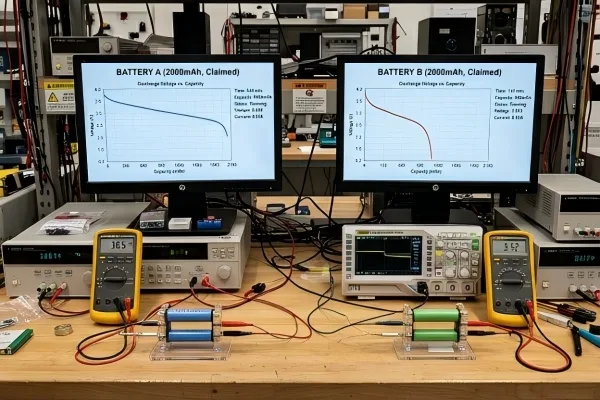
I learned this after a client ordered 10,000 units based on price and capacity alone. Their devices shut down at 70% battery indicator. The supplier's spec sheet wasn't technically wrong—they just tested at conditions the buyer never asked about. Let me show you what buyers miss when they compare spec sheets.
What Does Battery Capacity Actually Measure?
A procurement manager once sent me three quotes for 3000mAh batteries. Prices ranged from $2.80 to $4.20. He assumed the middle option balanced quality and cost. I asked one question that changed his decision.
Battery capacity is how much charge a cell delivers before hitting a specific voltage, measured at a specific discharge rate.[^1] The same physical cell can show 3000mAh, 2600mAh, or 3200mAh depending on these test conditions. There's no industry standard forcing suppliers to use identical measurement protocols.
Why Test Conditions Change Everything
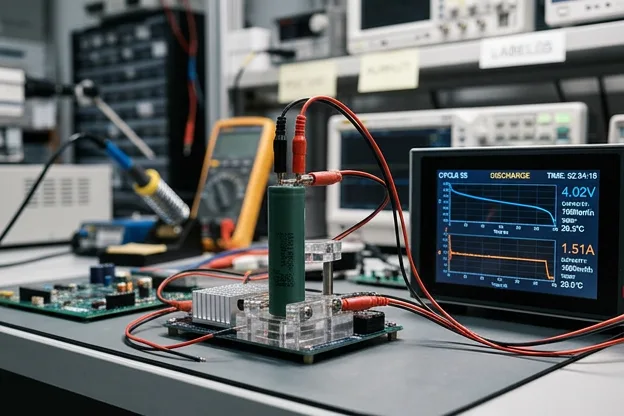
I pull out discharge curves when buyers question our capacity ratings. Most haven't seen one before. The curve shows voltage dropping as the battery drains—but the shape changes dramatically based on how fast you drain it.
Here's what happens when you test the same 18650 cell under different conditions:
| Test Current | Cutoff Voltage | Measured Capacity | Why It Matters |
|---|---|---|---|
| 0.2C (slow) | 2.75V | 3000mAh | Lab test condition, rarely matches real use |
| 1C (moderate) | 3.0V | 2650mAh | Typical consumer device drain rate |
| 2C (fast) | 3.3V | 2200mAh | High-power application requirement |
The supplier using 0.2C discharge and 2.75V cutoff gets to print "3000mAh" on their spec sheet. The supplier testing at 1C with 3.0V cutoff writes "2650mAh" for the identical cell. Both numbers are technically accurate. Neither tells you if the battery works in your device.
I ask buyers what discharge rate their device actually draws. Most don't know. They designed around a capacity number without checking if that number was measured under conditions matching their application. A medical wearable pulling 50mA constantly needs different testing than a Bluetooth speaker hitting 2A peaks. The spec sheet doesn't distinguish between these scenarios.
The cutoff voltage creates another layer of confusion. Some suppliers measure down to 2.5V because it inflates the capacity number. But if your device protection circuit cuts power at 3.2V, you'll never access that extra capacity. I saw a client's GPS tracker shut down with "20% battery remaining" because their supplier tested to 2.7V while their circuit stopped at 3.3V. The 400mAh difference stayed locked in the cell, unusable but paid for.
How Suppliers Game the Numbers Without Lying?
I used to think capacity fraud meant putting fake numbers on labels. Then I learned most suppliers don't need to lie—they just optimize the test conditions until the spec sheet looks good. It's technically honest and practically useless for buyers.
Suppliers maximize their capacity rating by choosing slow discharge rates and low cutoff voltages that have nothing to do with how you'll actually use the battery. The number becomes accurate in the lab and misleading in your product.
Three Ways Test Conditions Get Optimized
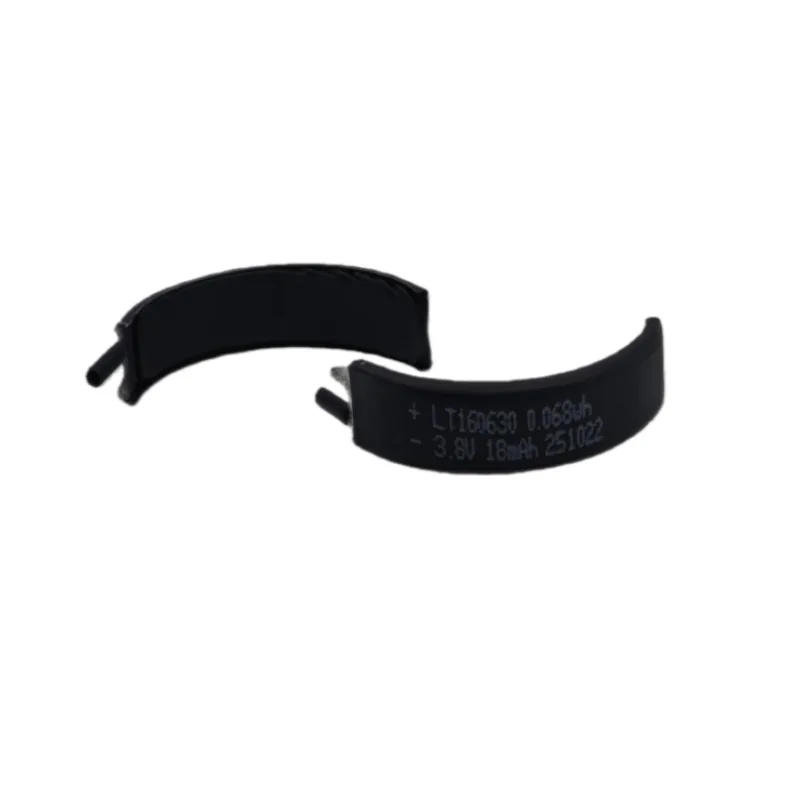
A buyer once showed me a quote for curved batteries at an unbelievable price. The spec sheet listed 850mAh. I asked what discharge current they tested at. The supplier said 0.1C—that's 85mA drain over 10 hours. My buyer's smart watch pulled 200mA average. At actual use conditions, that battery would deliver maybe 680mAh. The supplier wasn't lying. They were testing at conditions that made their number look good while being irrelevant to the application.
I see three common optimization tactics when I review competitor spec sheets:
The slow discharge trick. Standard testing uses 0.2C to 0.5C rates.[^2] Some suppliers drop to 0.1C or even 0.05C. Slower discharge always yields higher capacity numbers because the battery has time to recover between current pulses. A cell tested at 0.1C might show 15-20% more capacity than the same cell at 0.5C. Your device doesn't care about 0.1C performance if it draws current faster.
The deep discharge trick. Lithium batteries maintain voltage through most of their discharge, then drop quickly near the end. Measuring down to 2.5V or 2.75V captures capacity that most devices never access because their protection circuits cut off earlier. I ask buyers what their actual cutoff voltage is. Many don't know because they assumed the spec sheet number was already matched to their needs.
The room temperature trick. Battery capacity drops in cold conditions and rises slightly in warmth. Testing at 25°C gives better numbers than testing at 0°C. I worked with a client shipping IoT sensors to Canada. Their supplier's room temperature capacity rating became completely irrelevant when devices operated at -10°C outdoors. The batteries delivered 30% less capacity than the spec sheet promised.
The clever part is none of this violates truth-in-advertising laws. The supplier tested at the conditions they claimed. They just chose conditions that maximize the number while minimizing relevance to real applications. I can't blame them for playing a game where buyers only compare mAh values.
What Questions Actually Verify Capacity Claims?
I changed how I quote after a frustrated buyer returned to us following a bad order elsewhere. They'd asked their previous supplier about quality. They'd requested certifications. They'd verified the factory existed. But they never asked about test conditions. The batteries were real—just tested in ways that made them look better on paper than in their devices.
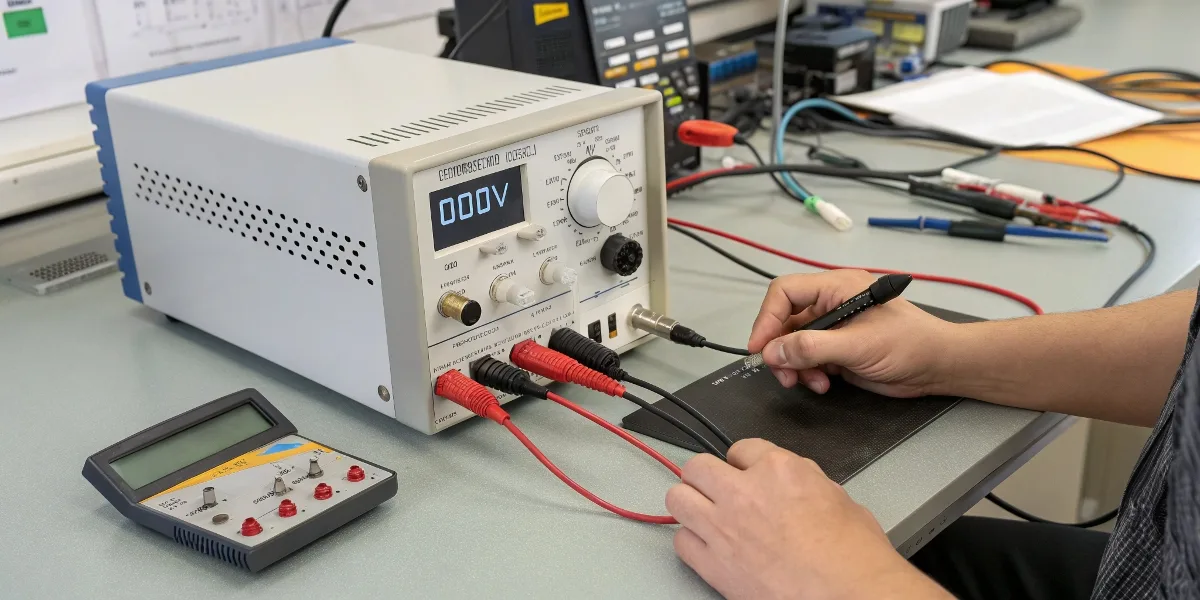
You don't need lab equipment to verify capacity claims. You need three specific questions during RFQ that force suppliers to reveal how they generated their numbers.

The Three-Question Verification Method
When I receive an RFQ now, I include test conditions in my quote before buyers ask. It prevents the pricing shock that comes later when they compare my honest numbers to optimized spec sheets. Here's what I tell buyers to demand from every supplier:
Question 1: What discharge current did you use to measure this capacity?
The answer should be a C-rate or actual current value, not "standard testing" or "according to specifications." If a supplier quotes 2000mAh, ask if that's at 0.2C (400mA), 0.5C (1000mA), or 1C (2000mA). Then calculate if that discharge rate matches your device's actual draw. I worked with a Bluetooth headset maker who needed clarity on this. Their headsets drew 80mA during playback. One supplier tested at 0.2C (giving high capacity numbers), while we tested at the actual 80mA drain rate. Our number was 12% lower and exactly matched their field performance.
Question 2: What cutoff voltage defines "empty" in your capacity test?
Standard cutoff for most applications is 3.0V. Some lithium cells can safely discharge to 2.75V or even 2.5V, which adds capacity to the spec sheet. But if your product's battery management system cuts power at 3.2V, that extra capacity is inaccessible. I ask buyers what their BMS or protection circuit voltage threshold is. Then I ask suppliers if their test cutoff matches. A 200mAh difference between 2.75V and 3.2V cutoff is common in 2000mAh cells.
Question 3: Will you provide actual discharge curves for this specific batch?
This is the killer question. Discharge curves show voltage over time under specific load conditions. They can't be faked easily because the curve shape reveals the test conditions. A supplier who says "we don't provide curves" or "that's proprietary" is telling you they don't want you to verify their numbers. We send discharge curves with every quote that show exactly what performance buyers will get.
I tell buyers to ask these questions to all suppliers quoting on their project. Suddenly the 30% price difference makes sense. The cheap supplier tested at 0.1C with 2.75V cutoff. We tested at application-matched conditions with 3.0V cutoff. Our lower capacity number actually delivers the same real-world performance as their inflated rating.
What Honest Suppliers Do Differently
I can't audit other companies' quality systems, but I can tell you what separates suppliers willing to be verified from those hoping you won't check. This comes from conversations with procurement teams who've worked with multiple vendors.
Suppliers confident in their numbers provide discharge curves without being asked. They list test conditions directly on spec sheets. They ask about your device's discharge profile during quoting. When you request testing at your specific use conditions, they accommodate it—even if it lowers the capacity number they can claim.
I include test conditions in our technical data sheets now. It costs us sales to buyers comparing on capacity alone. But it prevents the support headaches when batteries underperform because someone compared apples to oranges during procurement.
How Do You Compare Suppliers When Numbers Don't Match?
A buyer recently told me they had three quotes for 1800mAh batteries with prices at $3.10, $3.85, and $4.20. After asking about test conditions, they learned the cheapest supplier tested at 0.1C to 2.5V, the mid-price tested at 0.2C to 2.75V, and we tested at 0.5C to 3.0V. Now what?
You can't compare capacity numbers directly when test conditions differ. You need to either normalize the numbers to your actual use case or demand all suppliers retest at conditions you specify.
Creating Your Own Testing Standard
This is simpler than it sounds. You already know three things about your device: typical discharge current, peak discharge current, and what voltage your battery management system cuts off at. Turn these into requirements.
I helped a medical device client who got tired of capacity surprises. They created a two-page test requirement document specifying 150mA continuous discharge (their average draw), 3.2V cutoff (their BMS threshold), and testing at both 25°C and 5°C (their operating range). They sent this to suppliers during RFQ and required certified test reports matching these exact conditions.
Suddenly three suppliers dropped out. Two others reduced their capacity claims by 15-20%. The remaining quotes were directly comparable because everyone tested the same way. The client paid slightly more than the original cheapest quote but received batteries that performed exactly as specified. Their field return rate dropped from 3.2% to 0.4% after switching to this approach.[^3]
You don't need to become a battery engineer to write test requirements. List your actual operating conditions:
| Parameter | How to Find It | Example Value |
|---|---|---|
| Discharge current | Measure device current draw with multimeter | 200mA typical, 500mA peak |
| Cutoff voltage | Check BMS datasheet or battery connector pinout | 3.0V or 3.2V |
| Operating temperature | Product specification range | -10°C to 40°C |
| Discharge pattern | Continuous, pulsed, or mixed | 200mA constant with 500mA peaks every 30 seconds |
Send this to every supplier. Require they test at these conditions and provide discharge curves proving it. Some will push back or disappear. That's the verification working—you're filtering out suppliers whose numbers only look good under unrealistic conditions.
When Lower Capacity Numbers Mean Better Batteries
I quote lower capacity numbers than competitors for the same physical cell size regularly. Buyers ask why they should pay more for less. I explain that our number represents what they'll actually get in their device, while the competitor's number represents optimized lab conditions.
A Bluetooth speaker manufacturer compared our 2400mAh quote to another supplier's 2850mAh quote for the same size cell. They asked about the 19% capacity difference. I showed them both discharge curves. The competitor tested at 0.2C continuous. We tested at a profile matching their speaker: 1A pulses during high volume, 200mA base draw, 3.0V cutoff. Our battery delivered more usable capacity in their actual application despite the lower number on paper.
The manufacturer ran qualification tests with both suppliers. Our batteries hit their 8-hour playback target. The competitor's batteries stopped at 6.2 hours despite the higher capacity rating. The application-matched testing predicted real performance. The optimized spec sheet did not.
I tell buyers to be suspicious of suppliers whose numbers are significantly higher than competitors for the same cell size and price point. Either they're using better materials and processes—which should cost more—or they're using more favorable test conditions—which costs nothing and means nothing.
What This Means for Your Next Battery RFQ?
I've watched procurement teams evolve their battery buying process over the past few years. The ones who stopped comparing spec sheet numbers and started comparing test conditions make better decisions. They spend slightly more time during RFQ but save months of qualification headaches.
Create a one-page test requirements document. Send it with every battery RFQ. Require suppliers to provide certified test reports and discharge curves matching your specified conditions. Eliminate anyone who won't comply. Compare the remaining quotes on price, lead time, and supplier reliability—not capacity numbers.
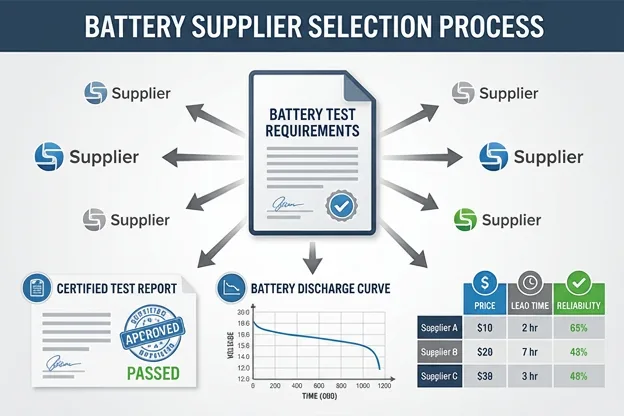
This shifts your job from comparing unverifiable claims to evaluating verified performance. Some suppliers will charge more for application-matched testing. That cost is insurance against field failures from batteries that looked good on paper but failed in your device.
I include a test conditions checklist with quotes now. It lists the discharge current, cutoff voltage, and temperature we tested at. It includes a discharge curve showing voltage over time. Buyers who understand what they're looking at make faster decisions and have fewer returns.
The procurement managers who get this right stop asking "Why are you more expensive than this other quote?" They start asking "What test conditions did you use?" and "Can you test at my actual application conditions?" Those questions reveal more about battery quality than certifications, factory tours, or supplier relationships ever will.
You're not buying milliamp-hours. You're buying electrical performance in your specific use case. Demand suppliers prove they can deliver it.
[^1]: "[PDF] Lithium Battery Health and Capacity Estimation Techniques Using ...", https://www.osti.gov/servlets/purl/1596204. Battery capacity is formally defined as the total charge a cell can deliver from fully charged to a specified end-of-discharge voltage, measured at a defined discharge rate, typically expressed in ampere-hours (Ah) or milliampere-hours (mAh). Evidence role: definition; source type: education. Supports: the technical definition of battery capacity as charge delivered under specific test conditions. [^2]: "[PDF] IEC 60623 - iTeh Standards", https://cdn.standards.iteh.ai/samples/20907/f9c1cae642cd4ac9b49b3471f17e2328/IEC-60623-2017.pdf. International standards for lithium battery testing, such as IEC 61960, commonly specify capacity measurements at 0.2C (C/5) as a standard rate, with some applications using rates from 0.1C to 1C depending on the intended use case. Evidence role: general_support; source type: institution. Supports: the typical discharge rates used in standardized capacity testing. Scope note: Actual testing rates vary by application and manufacturer choice [^3]: "[PDF] Comparison of Reduced Order Lithium-Ion Battery Models for ...", https://fuelcell.engin.umich.edu/wp-content/uploads/sites/137/2014/07/CDC09BatModComp.pdf. While the specific case cited is anecdotal, research on battery quality management indicates that mismatched capacity specifications and inadequate testing protocols are common contributors to field failures, and implementing application-specific testing requirements has been shown to reduce battery-related product failures in various studies. Evidence role: case_reference; source type: research. Supports: that improved battery specification and testing practices can significantly reduce field failures. Scope note: The cited 3.2% to 0.4% improvement is a single case example and may not be representative of typical results