Zero Sag High Voltage LiPo Battery

Stop risking your expensive industrial drone missions with standard power cells.

We audit every pack through 48 hour thermal stress tests and precision internal resistance matching. This prevents sudden power failure and protects your professional reputation during critical flight operations.

Chemical Stability | Additives prevent high voltage swelling during discharge.

Delta V < 5mV | Automated cell matching eliminates batch errors and power drops.

260Wh/kg Density | Maximize your mission flight time while keeping internal heat low.
High Voltage LiPo Battery Strategic Applications

We calibrate battery structures to survive specific environmental stress. This ensures physical integrity during heavy duty operations and extreme temperature shifts.
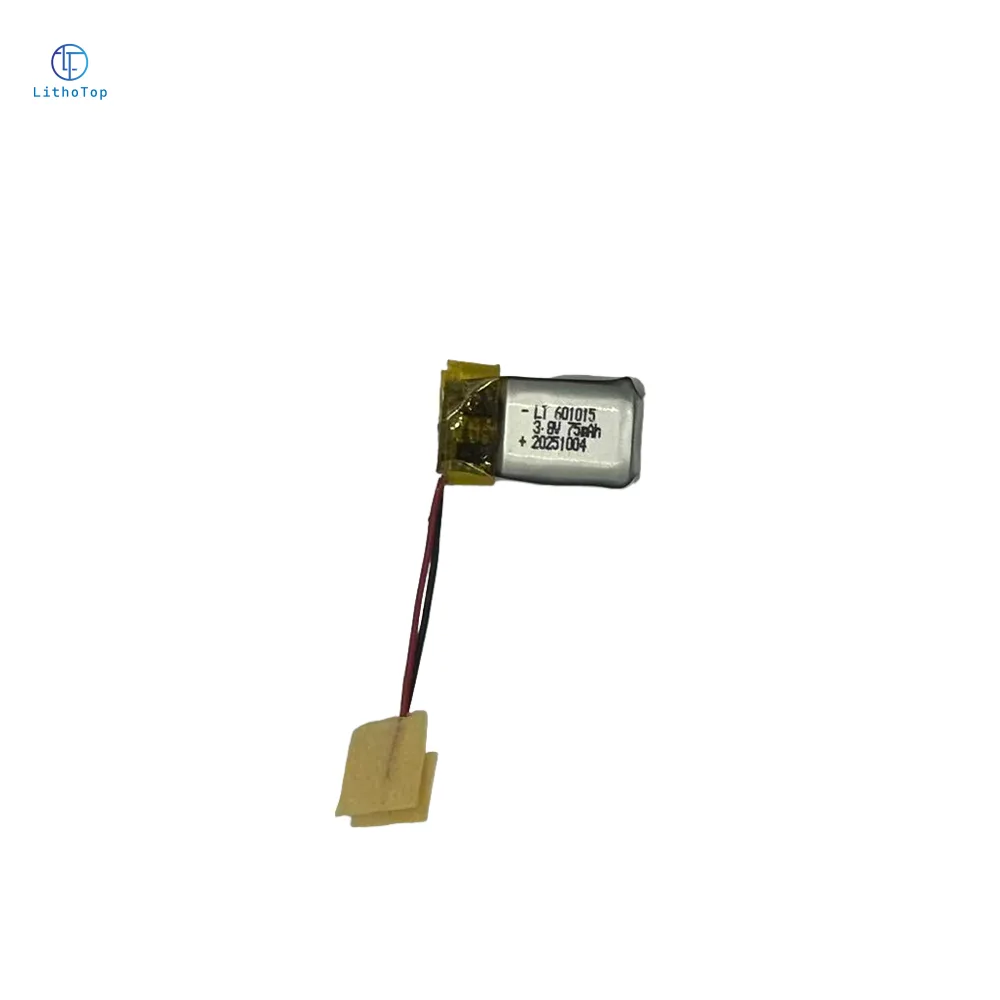
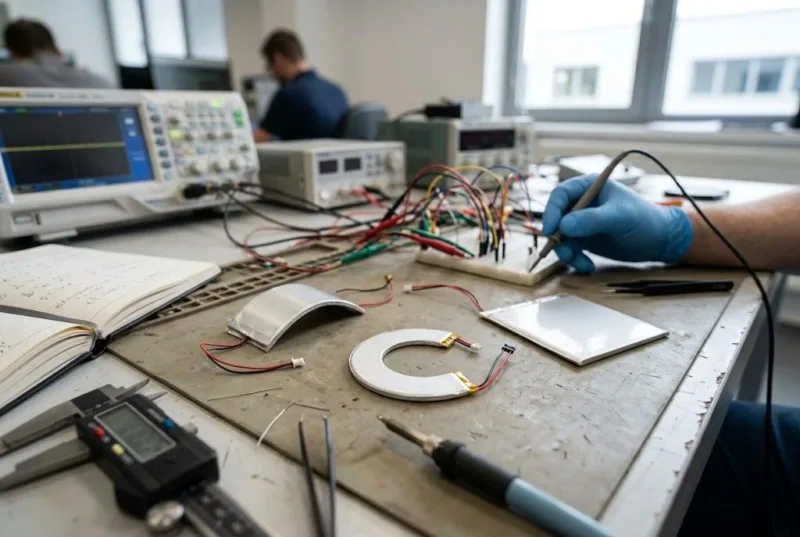
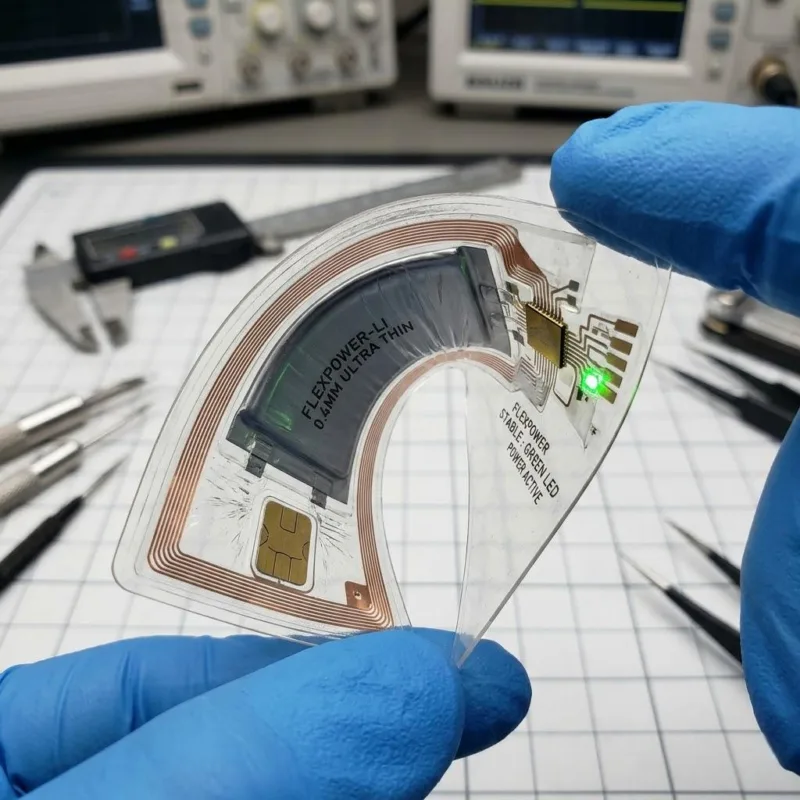
Flexible 0.4mm Ultra Thin Lipo Battery For Smart Cards And Clinical Patches.

Heavy Duty Spraying

High current output stops mid-air power collapse during heavy wind.

Flexible 0.4mm Ultra Thin Lipo Battery For Smart Cards And Clinical Patches.

Long Range Mapping

Boost flight radius with high density while keeping batteries cool.

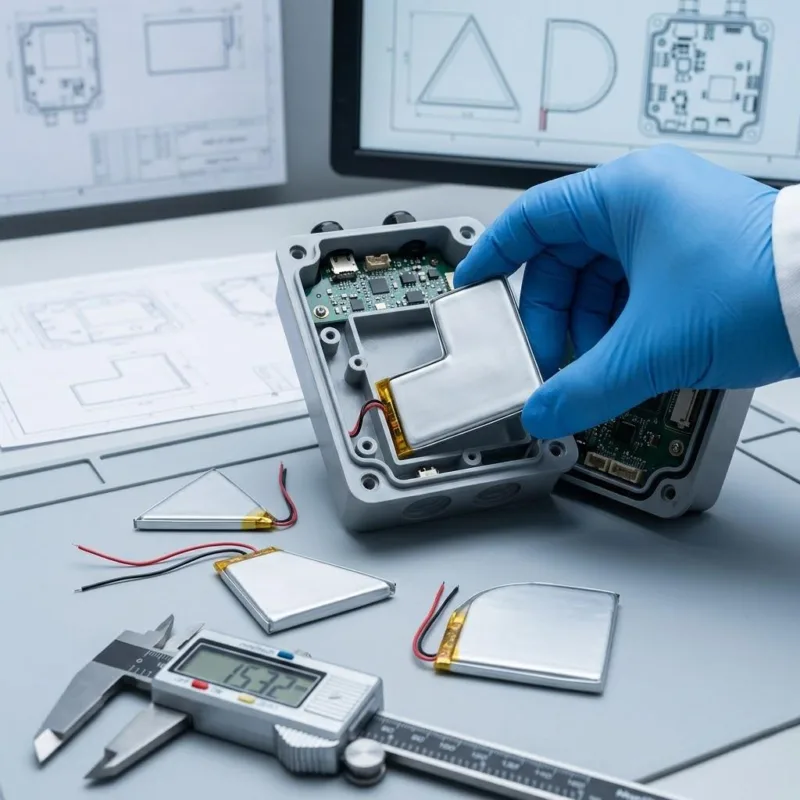
Custom Triangle And L Shaped Lipo Batteries For Industrial Iot Sensor Integration.

Industrial Robotic Power

Fast charging and tough casing keep robot fleets active daily.

Medical Grade Lipo Battery With Custom Pcm Logic For Surgical Robotic Equipment.

Cold Weather Operations

Maintain high voltage in freezing air to prevent power failure.

Proven Custom Battery Projects

We turn complex power needs into safe and working hardware. Look at our real builds to see how we protect projects from failure with smart engineering.

High Voltage Battery Production Standards

We scale production to meet your specific mission requirements. This matrix defines our chemical limits and structural capacities to ensure your fleet stays in the air.

LiHV Production Capacity and Technical Matrix

Industrial SectorVoltage ConfigurationEnergy and DischargeExpert Tips
Heavy Lift Agriculture6S to 14S (22.8V - 53.2V)Up to 32000mAh | 25C ContinuousFor high payload missions, I mandate 12S or 14S setups. Higher voltage reduces heat in your speed controllers and wires.
Long Range VTOL4S to 12S (15.2V - 45.6V)Up to 280Wh/kg Energy DensityWe use silicon carbon anode cells for VTOL. It is the only way to get 20% more flight time without adding weight.
Industrial Robotics2S to 6S (7.6V - 22.8V)High Burst 120C | Fast ChargeFast charging is hard on 4.35V cells. I recommend keeping charge rates below 2C to ensure your fleet lasts 500 cycles.

Core Manufacturing and Material Logic

Chemical Stability Focus

  • Special 4.35V Electrolyte Additives
  • Ceramic Coated Safety Separators
  • Nano-coated Cathode Material


Expert Tips: These materials stop the battery from swelling during hot summer work. It keeps the battery safe and flat.

Physical Armor Design

  • Ultrasonic Metal Tab Welding
  • Carbon Fiber Protection Plates
  • Impact Resistant Shrink Wrap


Expert Tips: Hard landings are common in the field. My advice is to use carbon fiber plates to protect cells from crush damage.

Smart Control Interface

  • Integrated CAN and RS485 Protocols
  • Real Time Cell Voltage Tracking
  • Over-discharge Alarm Systems


Expert Tips: I recommend smart BMS for large fleets. It tells you which battery needs to retire before it fails mid-air.

Industrial LiHV Manufacturing Safeguards

We stop structural failure through material calibration and process integrity. Every unit survives tough environments and eliminates hidden costs.

Matched Cell Resistance

We sync cell resistance to stop heat buildup and ensure stable flight power.

Impact Resistant Casing

Tough polymer casing stops physical impact from puncturing cells during high speed missions.

Chemical Swelling Control

We add chemical stabilizers to prevent swelling even at 4.35V peak power.

Select Your LiHV Power Strategy

Stop guessing between cost and durability. We simplify technical choices into two paths to balance your project budget and operational safety.
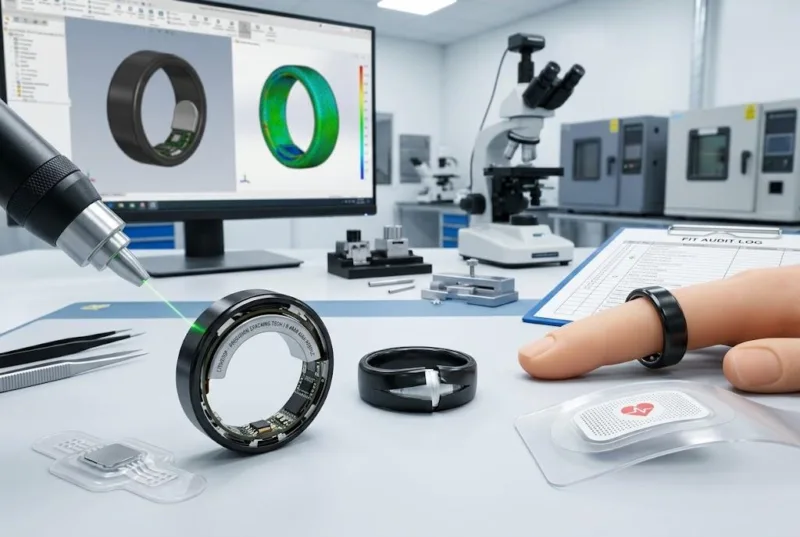
Precision 0.4mm Ultra Thin Lipo Battery For Smart Rings And Medical Sensors With Stacked Electrode Technology.

High Performance Operations

Maximum Energy Density. Optimized for precision and long run times.

  • Best for: High value equipment where operational reliability is everything.

  • My Advice: I mandate Smart BMS for these projects. One power failure can destroy your assets and your professional reputation.

  • The Solution: Use 4.35V chemistry to get the longest runtime for critical industrial projects.
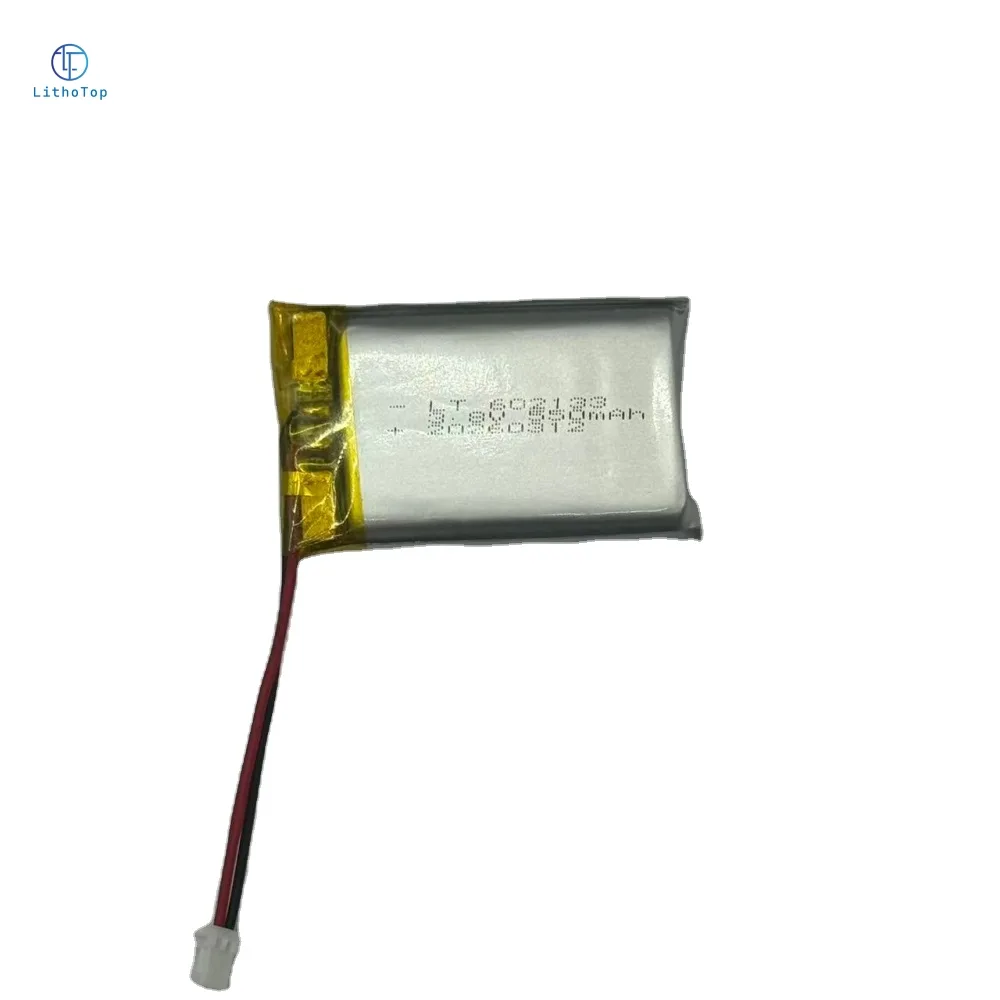
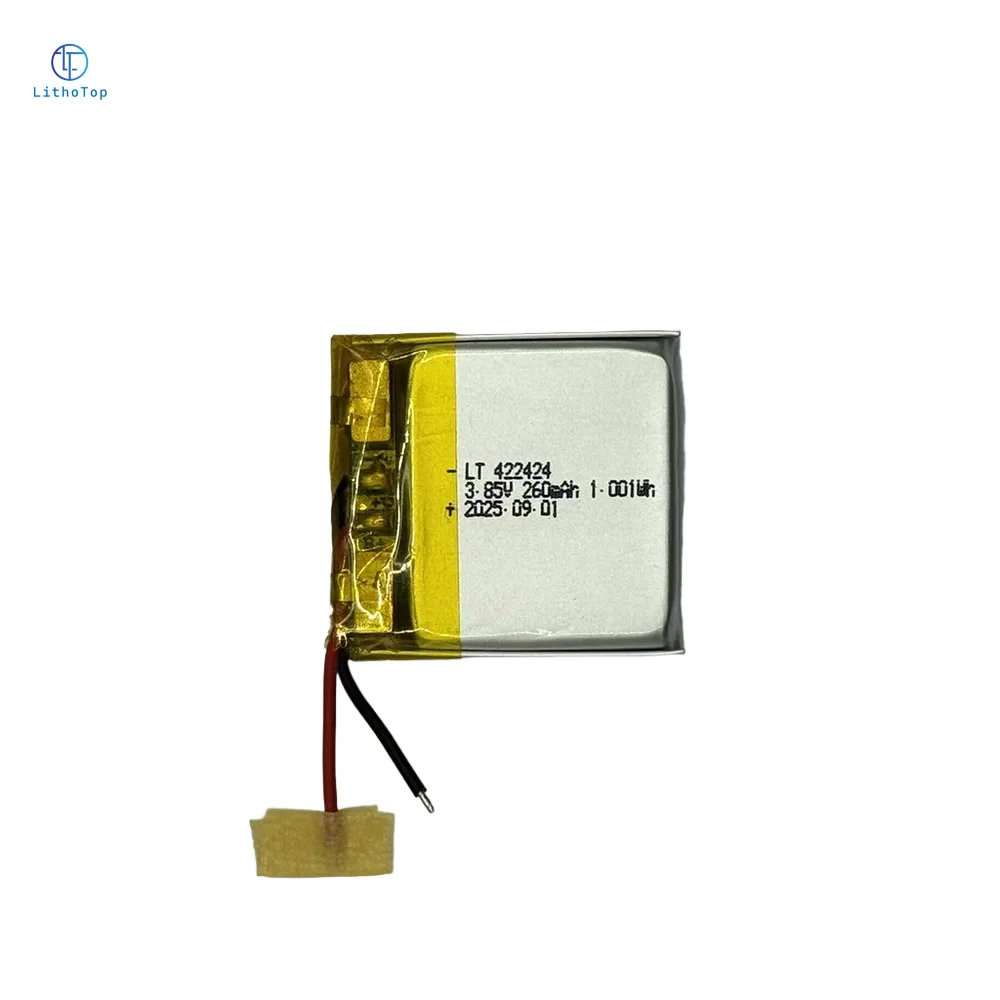
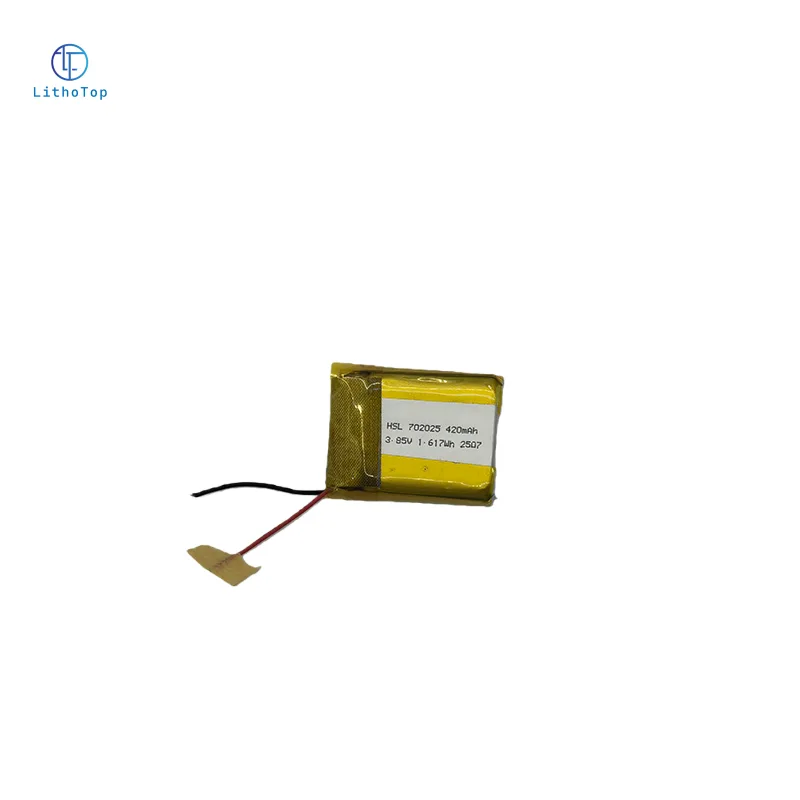
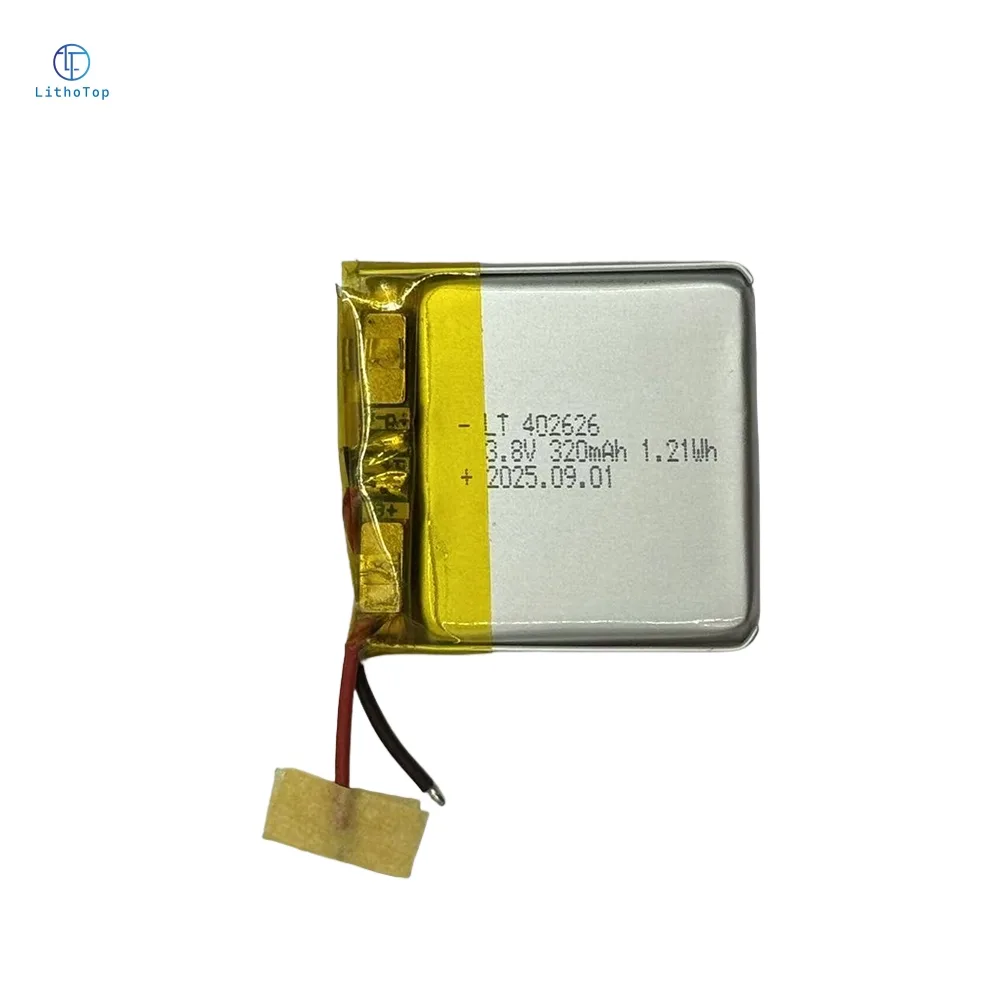
Mass Production Of Slim Battery Cells For Iot Sensors And Industrial Tracking Devices Using Existing Mold Library.

High Volume Fleets

Industrial Cycle Life. Optimized for frequent use and rapid deployment.

  • Best for: Large industrial fleets where replacement costs matter most.

  • My Advice: Stop buying over-spec batteries for simple tasks. Balanced discharge rates save money and handle tough environments better.

  • The Solution: We use reinforced internal welding to ensure batteries survive hundreds of rough cycles.

Precision LiHV Engineering Choices

We match cell chemistry and control logic to your specific risks. This ensures your equipment survives daily industrial stress.

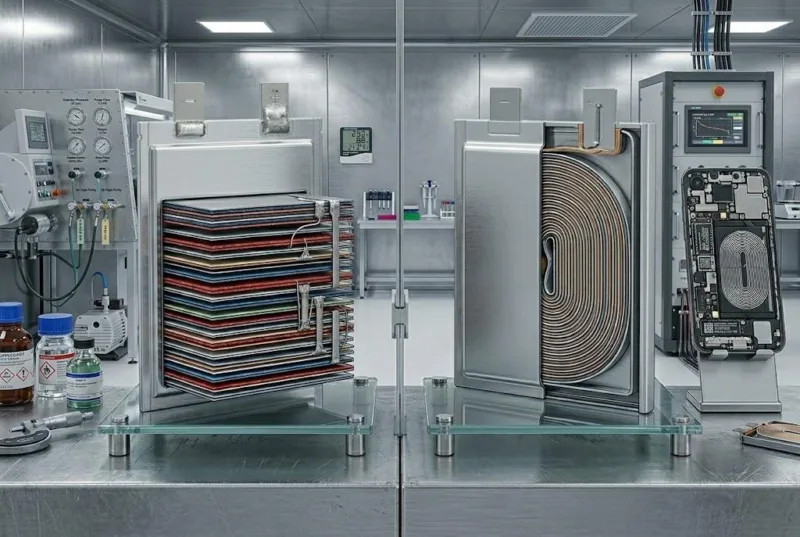
Comparison Of Stacked Electrode Vs Wound Battery Structures For Ultra Thin Electronics And Device Structural Integrity.

Step 1: Cell Chemistry Battle

  • Hybrid Solid State — Best for high-value assets. Higher safety and density but costs more up front.

  • Liquid Electrolyte — Best for high-volume use. Proven reliability and lower costs for standard projects.

Step 2: Power Control Battle

  • Integrated Smart BMS — Best for remote fleets. Provides real-time data to stop failures before they happen.

  • Standard Protection Board — Best for simple tools. Reduces weight while providing essential safety defense.
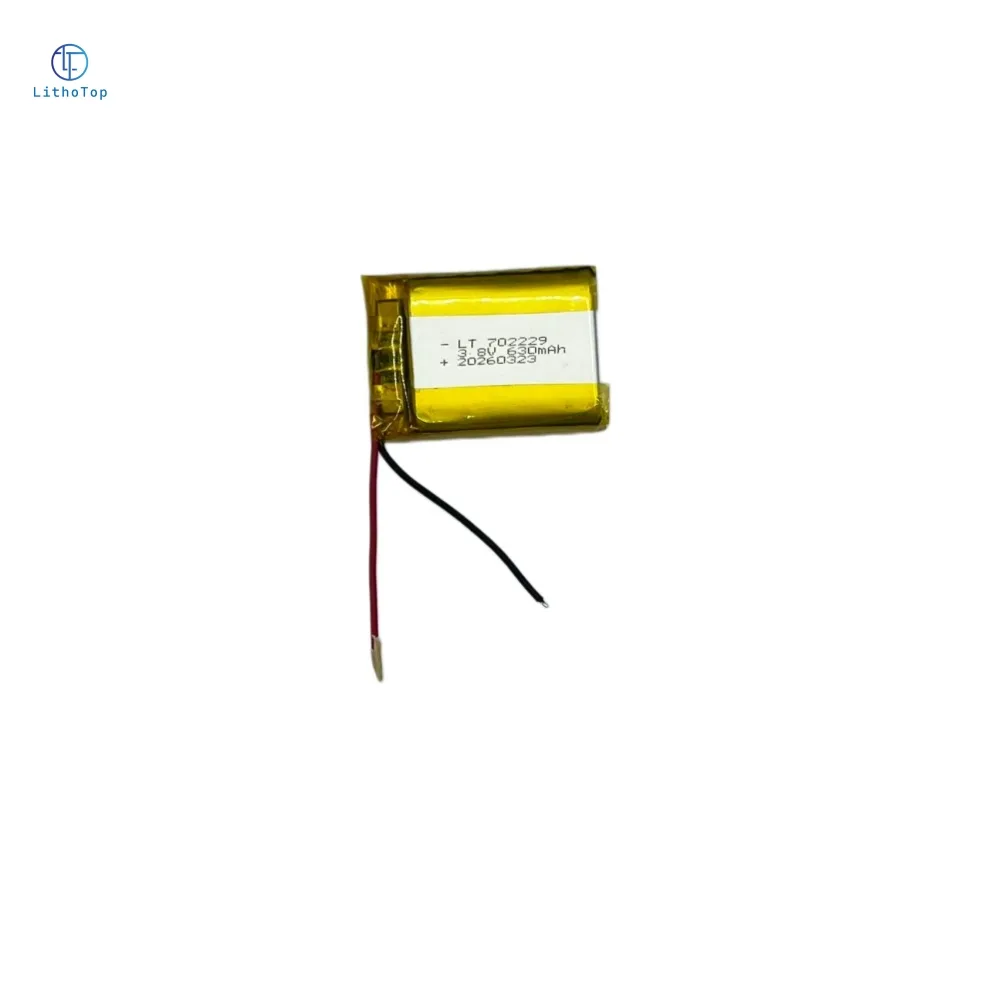
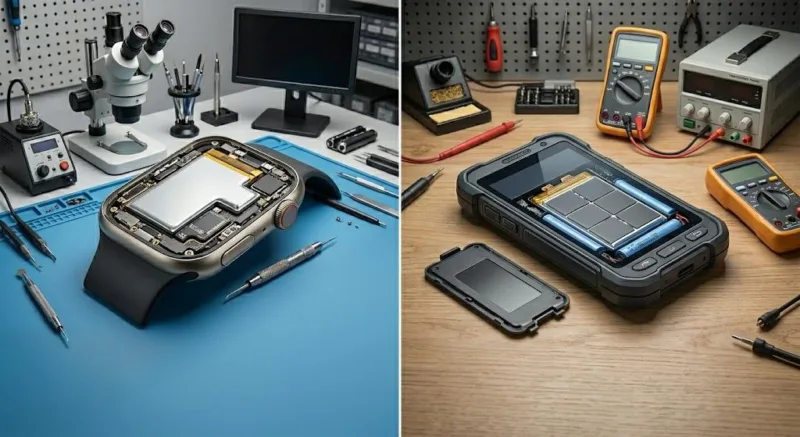
Comparison Of A Custom High Voltage Lipo Battery In A Slim Smartwatch Versus A Standard Lithium Ion Battery In A Rugged Industrial Handheld Device.

Avoiding Common LiHV Battery Mistakes

Decades of experience help us stop field failures. We intercept specification risks to keep your assets safe and your professional reputation intact.
● Common Mistake: Capacity Waste

Why use standard chargers for high voltage cells?

Standard 4.2V chargers leave 15% of your paid capacity unused. This kills your project runtime and your ROI.

Expert Advice

I mandate a 4.35V dedicated profile. Never trick old chargers. It leads to lithium plating and early cell death.

● Common Mistake: Space Planning

Why ignore the 5% expansion gap?

Cells expand during hard work. Tight mounts crush the internals and lead to shorts or equipment fires.

Expert Advice

Stop designing zero gap mounts. I recommend a 3mm air buffer to allow the battery to breathe under load.

● Common Mistake: Storage Decay

Why store high voltage packs at full charge?

Keeping LiHV at 4.35V during storage causes rapid chemical decay. Your internal resistance will spike within weeks.

Expert Advice

Move cells to 3.85V for storage. I recommend a storage charge policy to save your battery life and your budget.

Global Industrial Power Validation

These stories come from professionals who manage large scale fleets. Our technical standards prove they can survive the toughest real world stress.

"I nearly lost a contract in 105 degree heat. Standard batteries puffed and failed. These 4.35V packs saved us. Delta V stayed under 10mV. Our project survived because the power was stable."
47.png
David Miller
Head of Hardware
"I manage 50 heavy robots. Inconsistent resistance caused random shutdowns. Now, every batch includes a matching report. Every pack feels identical. We stopped worrying about errors and hit our targets."
9.png
Sophia Chen
R&D Lead
"Corrosive dust burned through my plugs weekly. It was a nightmare. We added sealed casings and anti spark connectors. This cut repair costs by 30 percent. My assets stay running without constant replacements."
67.png
Sarah J. Thompson
Operations Manager

Our Expertise in Action

Have a Question?

FAQ

Get clear technical answers to stop production risks and protect your project.

No. We use special electrolyte additives to prevent chemical breakdown at 4.35V. This ensures the pack remains flat and stable during high load operations, protecting your equipment from expansion damage.
No. Standard chargers stop at 4.2V, meaning you lose 15% of the paid capacity. I mandate using a dedicated 4.35V charging profile to reach full energy density and ensure your project ROI.
Not with our nano-coated cathode technology. We provide 80% capacity retention after 500 cycles. This outperforms standard industrial cells and prevents you from constantly buying expensive replacements.
We perform automated 5mV cell matching for every batch. I provide a full matching report for IR and capacity to intercept batch errors, ensuring your entire fleet has predictable flight times.
Yes. We use specialized DG logistics channels to ship safely without these reports during the prototype stage. We also offer full certification support to handle the UN38.3 process for you as your project scales.
Technical audits are finished in 24 hours. Bulk manufacturing typically ships in 20 to 25 days. We prioritize industrial launch timelines to ensure your project stays on schedule.

Secure Your High Voltage Power Supply

Stop risking your industrial assets with unverified power cells.

Get the exact LiHV specifications you need to keep your project in the air and your professional reputation safe. Don’t wait for a battery failure to fix your supply chain.

12h Expert Response

Free Battery Design Audit

360+ Certified Cell Library

Get Your Factory-Direct Quote

Response within 12 hours. Save up to 30% on bulk orders.

🔒 100% Privacy. No Hidden Costs. Free Sample Options.

Get Your Factory-Direct Quote

Response within 12 hours. Save up to 30% on bulk orders.

🔒 100% Privacy. No Hidden Costs. Free Sample Options.

Get Free Quote

We will contact you within 24 hours.
Don't worry, we hate spam too!