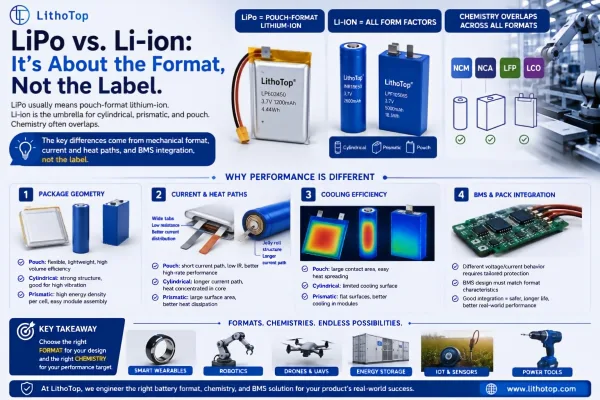
You have a stock of LiPo-powered products sitting in a warehouse. You worry the batteries inside are slowly dying on the shelf, turning your valuable inventory into scrap.
A LiPo battery stored correctly at a storage charge of ~3.8V per cell can last 2-3 years, retaining much of its original capacity. For commercial products, it is safest to plan for a maximum of one year of storage before performance checks are needed.
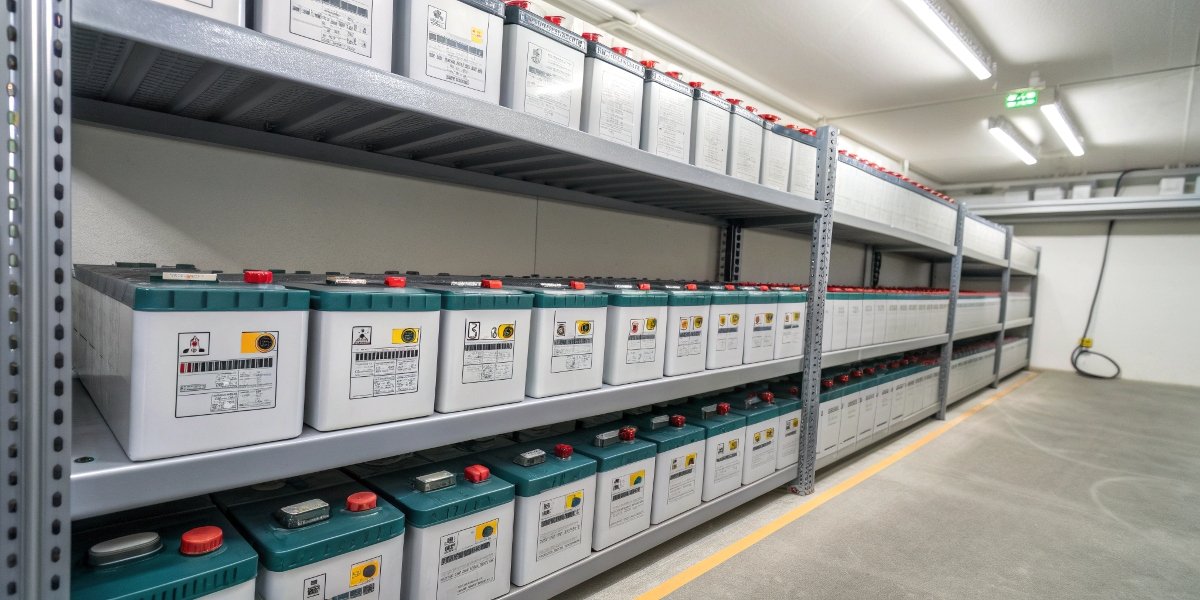
The lifespan of a stored battery isn’t just a number; it’s a critical factor in supply chain management and product reliability. I’ve seen clients like Jacky, a sharp product manager, face huge problems when devices failed to power on after being stored for a year. The battery wasn’t faulty, it was just stored incorrectly. Understanding how batteries age on the shelf is key to avoiding these costly surprises.
How long do unused LiPo batteries last?
Your products might sit in a box for over a year before a customer buys them. You fear the batteries inside will be dead on arrival, leading to returns.
An unused LiPo battery can last up to 2-3 years in ideal conditions, but a safe estimate for product planning is one year. After a year, they generally still hold 80-90% of their capacity if stored correctly.
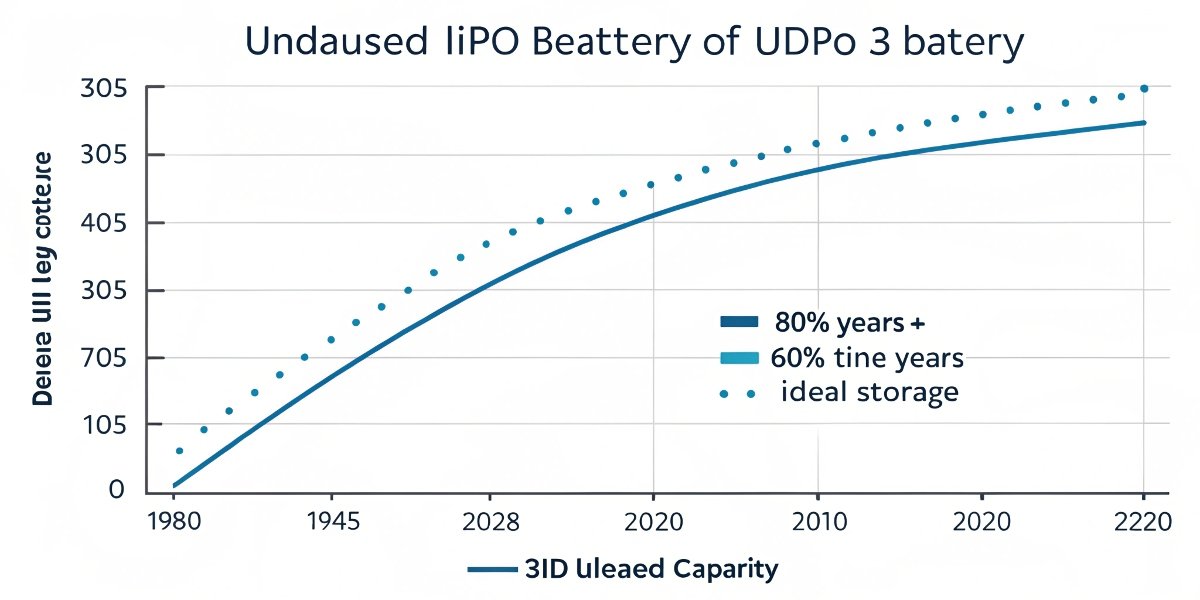
The 2-3 year figure is a best-case scenario, achieved with perfect storage. For a business, relying on the best case is risky. I always advise my clients to base their inventory and logistics planning on a one-year storage life. This provides a buffer for reliability. The most important factors influencing this lifespan are temperature and state of charge. A fully charged battery stored in a hot warehouse will degrade much faster than a half-charged battery in a cool room. For applications that require exceptional shelf life, like medical sensors or emergency devices, we provide high-stability LiPo cells. These are designed to have a pass rate of over 90% even after three years in storage, giving you peace of mind.
| Storage Condition | Expected Capacity Loss (1 Year) | Recommendation |
|---|---|---|
| 40% SoC @ 0°C | ~2% | Ideal, but not always practical. |
| 40% SoC @ 25°C | ~4% | Recommended Standard Storage. |
| 100% SoC @ 25°C | ~20% | Avoid. High charge accelerates aging. |
| 100% SoC @ 40°C | ~35% | Worst-case. Damages battery quickly. |
How do I know if my LiPo battery is still good?
You found an old LiPo battery in a drawer. Is it a reliable power source for your next project, or is it a ticking time bomb waiting to fail?
First, look for any physical swelling, puffiness, or damage. If it looks fine, use a multimeter to check the voltage of each cell. If any cell is below 3.0V or the pack is swollen, discard it safely and do not use it.
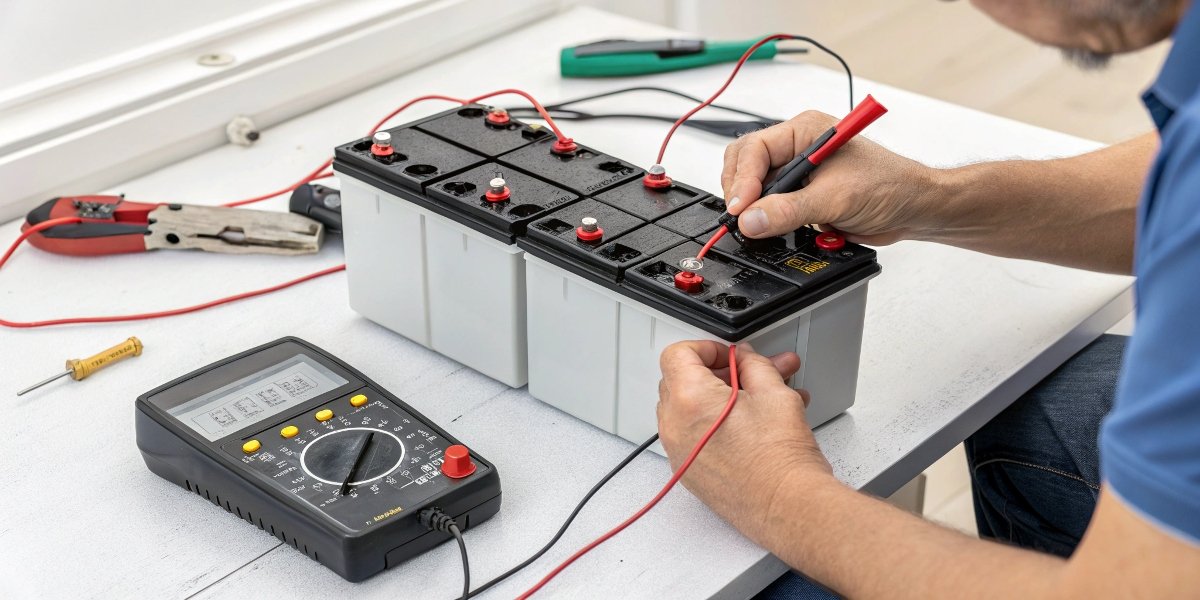
I’ve had many clients ask me this after finding old inventory. They try to use a battery that’s been in storage for a year, and the device won’t turn on. The problem is often low voltage or unbalanced cells. Before you connect any long-stored battery to a device, follow this simple checklist.
Step-by-Step Check
- Visual Inspection: Look closely at the battery. Is the soft pack "puffy" or swollen? Any swelling means gas has built up inside, and the battery is unsafe. Also check for dents, punctures, or damaged wrappers.
- Voltage Check: Use a simple voltmeter or a purpose-built battery checker. A healthy, stored LiPo cell should be around 3.7V to 3.85V. If you find any single cell in the pack is below 3.2V, it needs special attention. If it’s below 3.0V, the cell is likely permanently damaged.
- Safe Wake-Up: If the cells are all above 3.2V but below the storage voltage, you can try to wake the battery up. I recommend using a quality charger and setting it to a very slow charge rate, around 0.2C. For example, for a 1000mAh battery, charge it at 200mA. Monitor it closely during this process.
How long can a LiPo battery sit?
Your project timeline has been delayed, and now your batteries will be sitting for months. You need to know how long is too long before they become unusable.
A LiPo battery can sit for over a year with minimal capacity loss if stored at the correct storage voltage (~3.8V per cell) and kept in a cool, dry place. For best results, disconnect it from the device it powers.
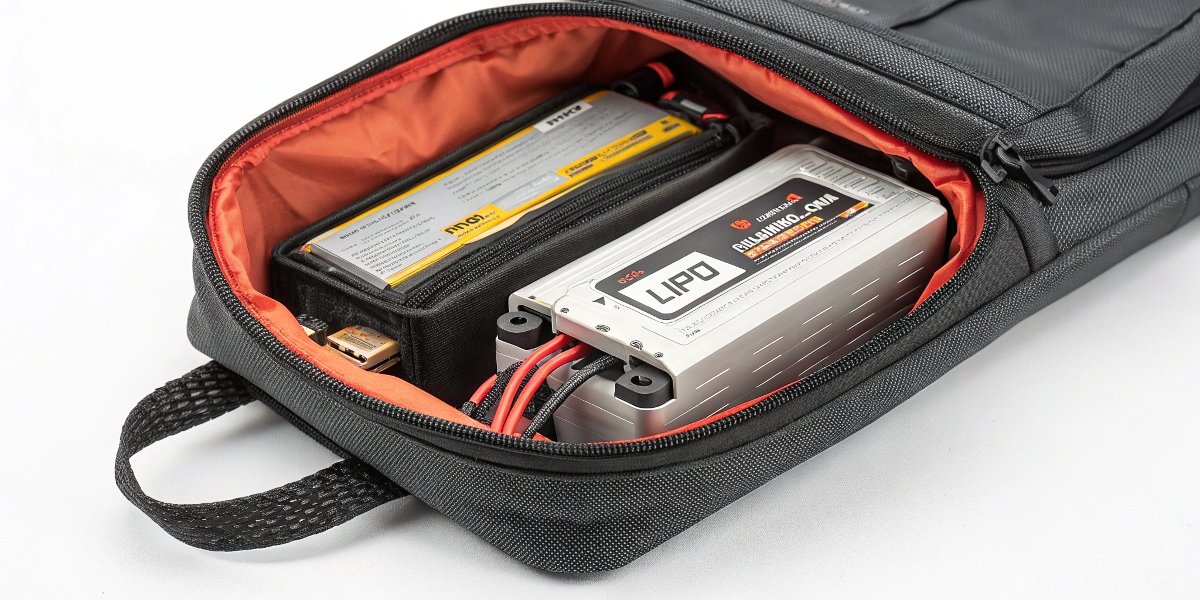
The key to long storage is preparing the battery correctly. You can’t just leave it in the device and forget about it. Many modern electronics have a small parasitic drain, meaning they draw a tiny amount of power even when turned off. Over several months, this can drain a battery completely, pushing its voltage below the safe minimum and killing it. I once had a client whose entire first batch of a new product was dead on arrival. The cause was this tiny power drain over six months of shipping and storage. The solution is simple: if you plan to store a device for more than a few weeks, physically disconnect the battery from the electronics. Combined with setting the right storage charge and keeping it cool, this will maximize its shelf life.
Can LiPo batteries catch fire when not in use?
You see scary videos of LiPo fires online. It makes you nervous about the batteries you have sitting in your workshop, even when they aren’t being used or charged.
Yes, it is rare but possible for a LiPo battery to catch fire when not in use. This is almost always caused by a pre-existing condition like internal damage, a manufacturing defect, or improper storage, not spontaneous failure.
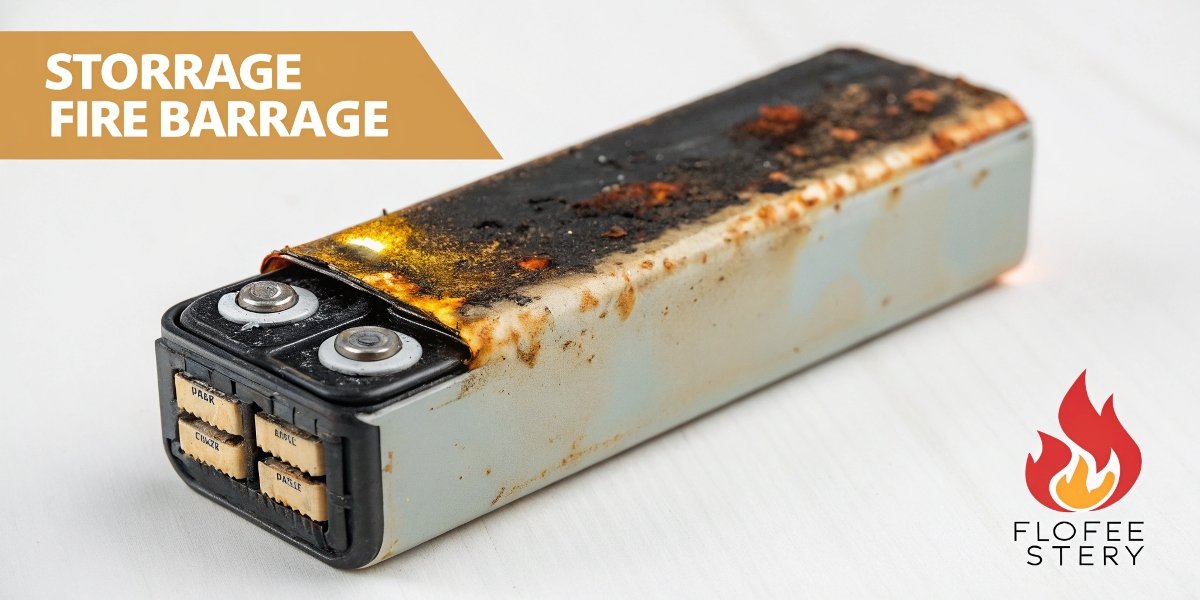
A healthy, well-made LiPo battery from a reputable supplier is very stable when in storage. The fires you hear about in stored batteries usually have a root cause. The most common one is physical damage. If a battery was dropped, crushed, or punctured, an internal short circuit could form slowly over time, eventually leading to a fire days or weeks later. Another cause is storing a battery when it’s fully charged, especially in a hot place like a car or a sunny room. The combination of high energy state and heat puts stress on the internal chemistry, which can lead to failure. This is why choosing a quality supplier is so important. We ensure our cells meet strict quality controls to minimize the risk of internal defects that could cause problems down the line.
Do LiPo batteries degrade?
You know that batteries wear out with use. But you wonder if they also lose their value and performance just by sitting on a shelf, and how fast this happens.
Yes, all LiPo batteries degrade from the day they are made, even if they are never used. This process is called calendar aging, and its speed is determined by storage temperature and the battery’s charge level.
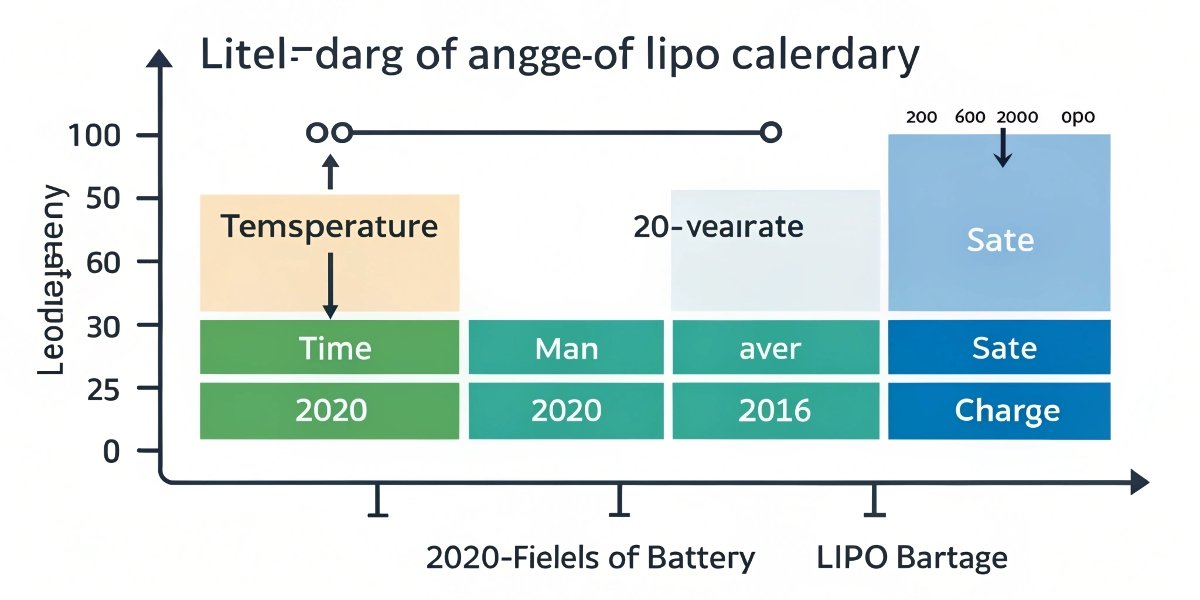
Think of battery aging in two ways: cycle aging and calendar aging1. Cycle aging comes from charging and discharging the battery. Calendar aging happens just from time passing. The two biggest enemies that speed up calendar aging are heat and a high state of charge. Storing a battery is like storing fresh food. It lasts much longer in the cool, dark refrigerator than on a sunny countertop. Similarly, a LiPo battery stored at a cool room temperature will last far longer than one in a hot warehouse. Storing it at 100% charge is like putting a constant strain on the battery’s chemistry, causing it to wear out faster even while doing nothing. This is why for any product that needs a long service life, like a medical device, understanding and planning for calendar aging is just as important as cycle life.
Conclusion
LiPo batteries can last for years when not in use, but only if stored correctly. Keep them cool and at a half charge. Always inspect and test them before use.
Understanding calendar aging helps in planning for battery replacement. ↩